apetecerKoniugacja
apetecer oznacza mieć ochotę.
Kompletne tabele koniugacji
Odniesienie do wszystkich czasów i trybów
Subjunctive
Imperfect Subjunctive
The imperfect subjunctive of apetecer is regular: apeteciera, apetecieras, apeteciera, apeteciéramos, apetecierais, apetecieran.
Present Subjunctive
The present subjunctive of apetecer uses the 'z': apetezca, apetezcas, apetezca, apetezcamos, apetezcáis, apetezcan.
Imperative
Negative Imperative
The negative imperative uses the present subjunctive: no apetezcas, no apetezca, no apetezcamos, no apetezcáis, no apetezcan.
Imperative
The imperative of apetecer is rarely used due to its meaning, but forms include apetece (tú) and apetezcan (ustedes).
Indicative
Conditional
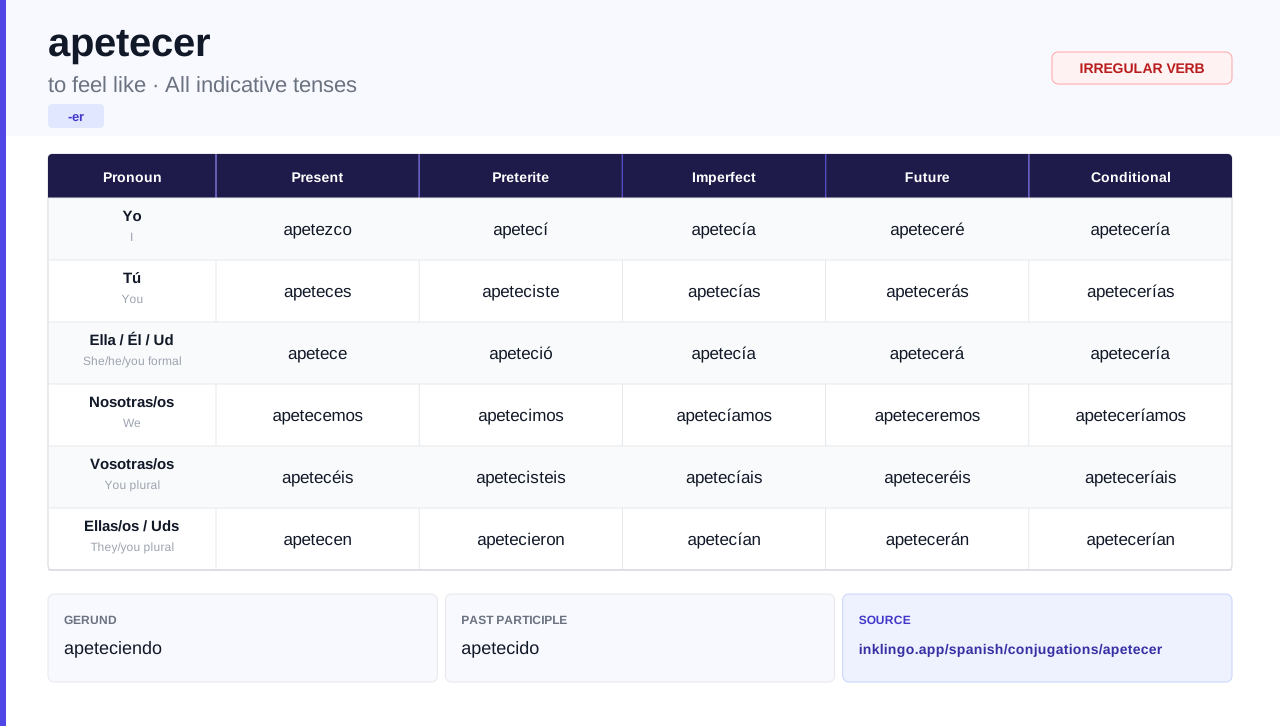
The conditional of apetecer is regular: apetecería, apetecerías, apetecería, apeteceríamos, apeteceríais, apetecerían.
Preterite
The preterite of apetecer is regular: apetecí, apeteciste, apeteció, apetecimos, apetecisteis, apetecieron.
Imperfect
The imperfect of apetecer is regular: apetecía, apetecías, apetecía, apetecíamos, apetecíais, apetecían.
Present
Apetecer behaves like gustar (indirect object pronouns + third person), but the 'yo' form is irregular: apetezco.
Future
The future of apetecer is regular: apeteceré, apetecerás, apetecerá, apeteceremos, apeteceréis, apetecerán.
Ćwicz koniugacje
Sprawdź swoją wiedzę za pomocą interaktywnych ćwiczeń
Przenieś apetecer z tabel do prawdziwego hiszpańskiego
Tabele koniugacji to dopiero początek. Przeczytaj ponad 200 ilustrowanych i udźwiękowionych hiszpańskich historii, aby zobaczyć 'apetecer' w akcji w prawdziwych zdaniach — i zbuduj instynkt, jaki mają rodzimi użytkownicy języka.
Często zadawane pytania
Co oznacza apetecer po hiszpańsku?
apetecer oznacza „mieć ochotę”.
Czy apetecer to czasownik regularny czy nieregularny?
apetecer to czasownik irregular -er w języku hiszpańskim.
Jak koniuguje się apetecer w czasie teraźniejszym?
Czas teraźniejszy apetecer to: yo apetezco, tú apeteces, él/ella/usted apetece, nosotros apetecemos, vosotros apetecéis, ellos/ellas/ustedes apetecen.
Jak koniuguje się apetecer w czasie przeszłym dokonanym (preterite)?
Czas przeszły dokonany apetecer to: yo apetecí, tú apeteciste, él/ella/usted apeteció, nosotros apetecimos, vosotros apetecisteis, ellos/ellas/ustedes apetecieron.
apetecer ściągawka koniugacyjna