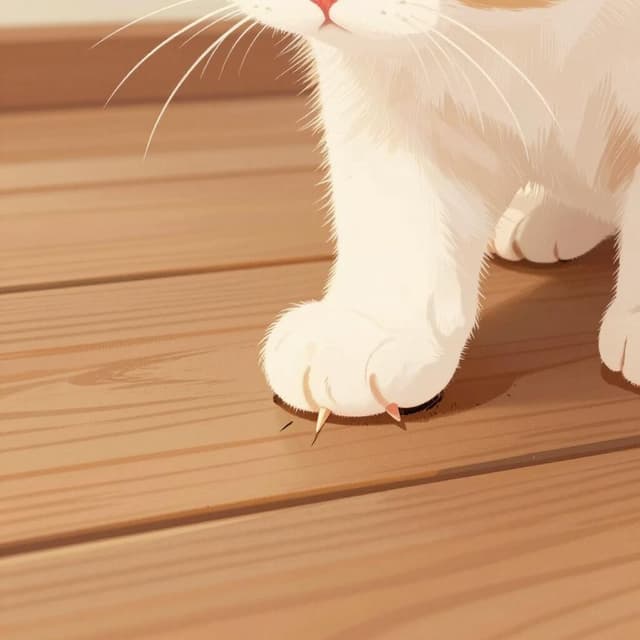
Koniugacja arañar Czas przyszły
arañar — to scratch
The future action of scratching.
Formy arañar Czas przyszły
Kiedy używać Czas przyszły
Use the future tense to talk about something that *will* happen. It's direct and states a future certainty or probability. For 'arañar', it means someone or something will scratch in the future.
Uwagi dotyczące arañar w czasie Czas przyszły
Arañar is regular in the future tense. The infinitive 'arañar' serves as the stem, and the standard future endings are added.
Przykładowe zdania
Si no lo cuidas, el gato arañará el sofá.
If you don't watch it, the cat will scratch the sofa.
él/ella/usted
Mañana arañaré la pared para que el perro se entretenga.
Tomorrow I will scratch the wall so the dog entertains itself.
yo
¿Arañarás el disco si lo tocas?
Will you scratch the record if you touch it?
tú
Ellos arañarán la puerta hasta que les abramos.
They will scratch the door until we open it for them.
ellos/ellas/ustedes
Częste błędy
Błąd: Using the present tense instead of the future.
Poprawnie: For actions that *will* happen, use the future tense: 'arañará', 'arañaré'.
Dlaczego: The present tense is for current or habitual actions, not future ones.
Błąd: Forgetting the accent on the 'yo' form.
Poprawnie: The 'yo' future form is 'arañaré', with an accent on the final 'é'.
Dlaczego: The accent indicates the stressed syllable.
Opanuj hiszpańskie czasowniki w kontekście
Zapamiętywanie tabel to dopiero początek. Przeczytaj ponad 200 ilustrowanych i udźwiękowionych hiszpańskich historii, aby zobaczyć czasowniki takie jak 'arañar' używane naturalnie — w czasach, których się uczysz.
Powiązane czasy
Czas teraźniejszy
yo: araño
Scratching happening now, habitually, or generally.
Czas przeszły prosty
yo: arañé
Completed actions of scratching in the past.
Czas przeszły niedokonany
yo: arañaba
Ongoing or habitual scratching in the past.
Tryb warunkowy
yo: arañaría
What would happen if one were to scratch.
Tryb Subj. teraźniejszy
yo: arañe
Wishes, doubts, or emotions about scratching happening now or in the future.
Tryb Subj. przeszły niedokonany
yo: arañara
Hypothetical or past wishes/doubts about scratching.
Tryb rozkazujący (twierdzący)
yo: araña
Commands like 'scratch!' or 'let's scratch!' for arañar.
Tryb rozkazujący (przeczący)
yo: no arañes
Negative commands for arañar, like 'don't scratch!'.