Koniugacja arañar Czas przeszły niedokonany
arañar — to scratch
Ongoing or habitual scratching in the past.
Formy arañar Czas przeszły niedokonany
Kiedy używać Czas przeszły niedokonany
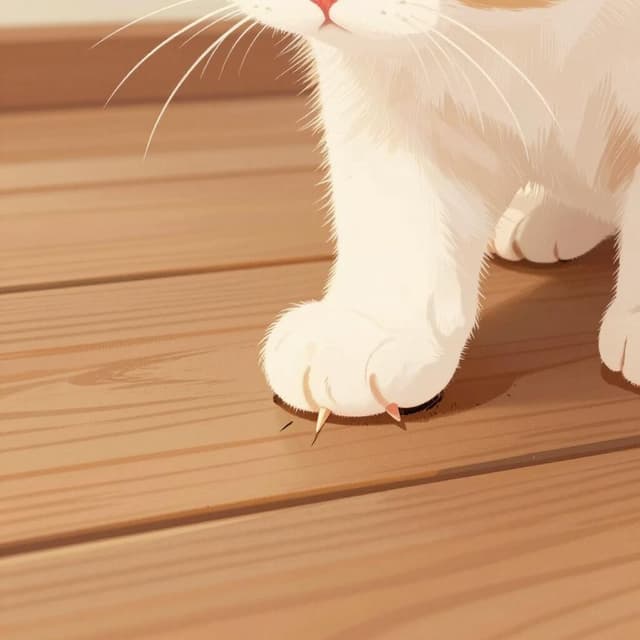
Use the imperfect tense to describe actions that were happening continuously in the past, or habitual actions that occurred regularly. For 'arañar', it sets the scene or describes repeated scratching, like a cat scratching itself often or scratching a door repeatedly.
Uwagi dotyczące arañar w czasie Czas przeszły niedokonany
Arañar is regular in the imperfect tense. The stem remains 'arañ-' and the standard imperfect endings are used.
Przykładowe zdania
El perro arañaba la puerta porque quería salir.
The dog was scratching the door because it wanted to go out.
él/ella/usted
Cuando era niño, arañaba mucho mis juguetes.
When I was a child, I used to scratch my toys a lot.
yo
¿Arañabais mucho de pequeños?
Did you guys scratch a lot when you were little?
vosotros
Ellos arañaban la mesa sin parar.
They were scratching the table non-stop.
ellos/ellas/ustedes
Częste błędy
Błąd: Using the preterite for ongoing or habitual past actions.
Poprawnie: For actions that were happening over a period or repeated, use the imperfect: 'arañaba', 'arañaban'.
Dlaczego: The imperfect describes the background or duration, while the preterite describes a completed event.
Błąd: Confusing the 'nosotros' form.
Poprawnie: The correct imperfect form is 'arañábamos'.
Dlaczego: Remember the '-ábamos' ending for regular -ar verbs in the nosotros imperfect.
Opanuj hiszpańskie czasowniki w kontekście
Zapamiętywanie tabel to dopiero początek. Przeczytaj ponad 200 ilustrowanych i udźwiękowionych hiszpańskich historii, aby zobaczyć czasowniki takie jak 'arañar' używane naturalnie — w czasach, których się uczysz.
Powiązane czasy
Czas teraźniejszy
yo: araño
Scratching happening now, habitually, or generally.
Czas przeszły prosty
yo: arañé
Completed actions of scratching in the past.
Czas przyszły
yo: arañaré
The future action of scratching.
Tryb warunkowy
yo: arañaría
What would happen if one were to scratch.
Tryb Subj. teraźniejszy
yo: arañe
Wishes, doubts, or emotions about scratching happening now or in the future.
Tryb Subj. przeszły niedokonany
yo: arañara
Hypothetical or past wishes/doubts about scratching.
Tryb rozkazujący (twierdzący)
yo: araña
Commands like 'scratch!' or 'let's scratch!' for arañar.
Tryb rozkazujący (przeczący)
yo: no arañes
Negative commands for arañar, like 'don't scratch!'.