Koniugacja arañar Czas teraźniejszy
arañar — to scratch
Scratching happening now, habitually, or generally.
Formy arañar Czas teraźniejszy
Kiedy używać Czas teraźniejszy
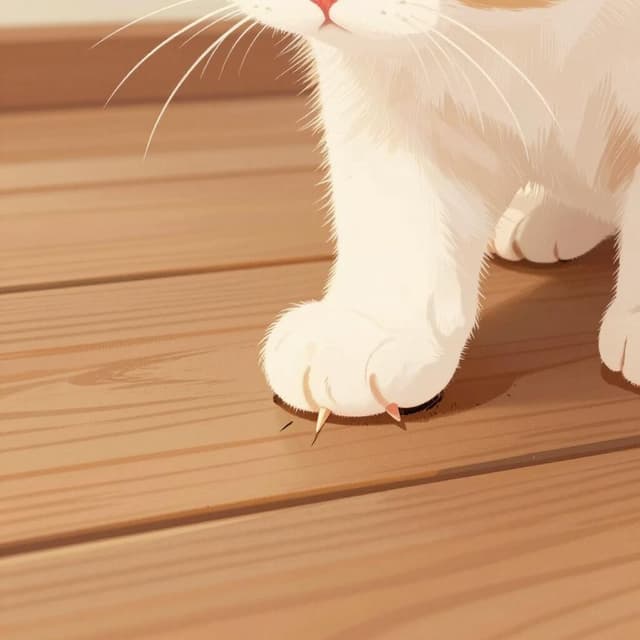
Use the present tense for actions happening right now, habitual actions (like a cat scratching its post daily), or general truths. For 'arañar', it describes the act of scratching as it occurs or as a regular occurrence.
Uwagi dotyczące arañar w czasie Czas teraźniejszy
Arañar is a regular -ar verb in the present tense. The stem 'arañ-' stays the same, and the standard present tense endings are used.
Przykładowe zdania
Mi gato siempre araña el sofá.
My cat always scratches the sofa.
él/ella/usted
Ahora mismo, me araña un mosquito.
Right now, a mosquito is scratching me.
él/ella/usted
¿Por qué arañas la pared?
Why are you scratching the wall?
tú
Nosotros arañamos la puerta para pedir comida.
We scratch the door to ask for food.
nosotros
Częste błędy
Błąd: Using 'estar + gerund' when a simple present is more natural for habitual actions.
Poprawnie: For 'My cat always scratches the sofa', use 'Mi gato siempre araña el sofá', not 'Mi gato siempre está arañando el sofá'.
Dlaczego: The simple present effectively conveys habitual actions in Spanish.
Błąd: Incorrect endings for 'vosotros'.
Poprawnie: The correct form is 'arañáis', not 'arañan' or 'arañáis'.
Dlaczego: Remember the '-áis' ending for regular -ar verbs in the vosotros present tense.
Opanuj hiszpańskie czasowniki w kontekście
Zapamiętywanie tabel to dopiero początek. Przeczytaj ponad 200 ilustrowanych i udźwiękowionych hiszpańskich historii, aby zobaczyć czasowniki takie jak 'arañar' używane naturalnie — w czasach, których się uczysz.
Powiązane czasy
Czas przeszły prosty
yo: arañé
Completed actions of scratching in the past.
Czas przeszły niedokonany
yo: arañaba
Ongoing or habitual scratching in the past.
Czas przyszły
yo: arañaré
The future action of scratching.
Tryb warunkowy
yo: arañaría
What would happen if one were to scratch.
Tryb Subj. teraźniejszy
yo: arañe
Wishes, doubts, or emotions about scratching happening now or in the future.
Tryb Subj. przeszły niedokonany
yo: arañara
Hypothetical or past wishes/doubts about scratching.
Tryb rozkazujący (twierdzący)
yo: araña
Commands like 'scratch!' or 'let's scratch!' for arañar.
Tryb rozkazujący (przeczący)
yo: no arañes
Negative commands for arañar, like 'don't scratch!'.