Koniugacja arrebatar Tryb Subj. teraźniejszy
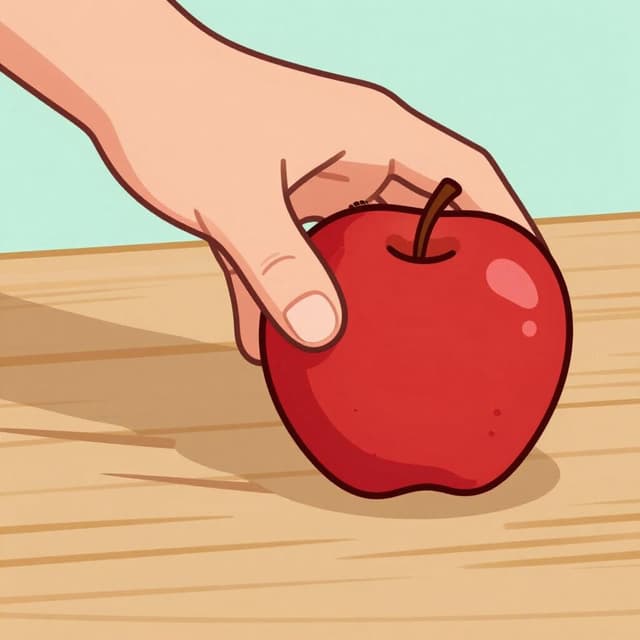
arrebatar — to snatch
Use present subjunctive forms like 'arrebate' and 'arrebaten' after expressions of doubt, desire, or emotion.
Formy arrebatar Tryb Subj. teraźniejszy
Kiedy używać Tryb Subj. teraźniejszy
This tense is for actions that are uncertain, desired, feared, or emotionally charged. For example, 'Espero que no me arrebaten el asiento' (I hope they don't snatch my seat).
Uwagi dotyczące arrebatar w czasie Tryb Subj. teraźniejszy
Arrebatar is regular in the present subjunctive. The forms are based on the 'yo' form of the present indicative ('arrebato').
Przykładowe zdania
Dudo que él arrebate el primer lugar.
I doubt that he will snatch first place.
él/ella/usted
Quiero que tú arrebates la iniciativa.
I want you to snatch the initiative.
tú
Ojalá arrebatemos la victoria.
Let's hope we snatch the victory.
nosotros
Me sorprende que arrebaten el premio.
It surprises me that they snatch the prize.
ellos/ellas/ustedes
Częste błędy
Błąd: Using the present indicative instead of the present subjunctive.
Poprawnie: After expressions like 'dudo que' or 'espero que', use subjunctive forms like 'arrebate' or 'arrebaten'.
Dlaczego: These trigger phrases indicate uncertainty or desire, requiring the subjunctive mood.
Błąd: Confusing 'yo' and 'él/ella/usted' forms.
Poprawnie: The 'yo' form ('arrebate') and the 'él/ella/usted' form ('arrebate') are identical in the present subjunctive.
Dlaczego: Context or subject pronouns clarify who is performing the action.
Opanuj hiszpańskie czasowniki w kontekście
Zapamiętywanie tabel to dopiero początek. Przeczytaj ponad 200 ilustrowanych i udźwiękowionych hiszpańskich historii, aby zobaczyć czasowniki takie jak 'arrebatar' używane naturalnie — w czasach, których się uczysz.
Powiązane czasy
Czas teraźniejszy
yo: arrebato
Use present forms like 'arrebato' and 'arrebatan' for habitual actions or things happening now.
Czas przeszły prosty
yo: arrebaté
Use preterite forms like 'arrebaté' and 'arrebataron' for completed actions in the past.
Czas przeszły niedokonany
yo: arrebataba
Use imperfect forms like 'arrebataba' and 'arrebataban' for ongoing or habitual past actions.
Czas przyszły
yo: arrebataré
Use future forms like 'arrebataré' and 'arrebatarán' for actions that will happen.
Tryb warunkowy
yo: arrebataría
Use conditional forms like 'arrebataría' and 'arrebatarían' for hypothetical situations ('would').
Tryb Subj. przeszły niedokonany
yo: arrebatara
Use imperfect subjunctive forms like 'arrebatara' or 'arrebatase' for past hypotheticals or wishes.
Tryb rozkazujący (twierdzący)
yo: arrebata
Use imperative forms like 'arrebata' and 'arrebatad' for direct commands.
Tryb rozkazujący (przeczący)
yo: no arrebates
Use negative commands like 'no arrebates' and 'no arrebaten' with the present subjunctive.