Koniugacja arrebatar Czas przeszły prosty
arrebatar — to snatch
Use preterite forms like 'arrebaté' and 'arrebataron' for completed actions in the past.
Formy arrebatar Czas przeszły prosty
Kiedy używać Czas przeszły prosty
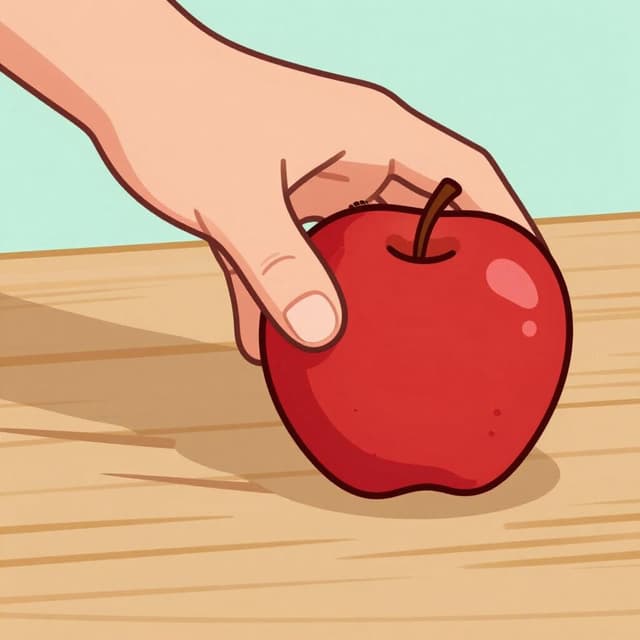
This tense is for actions that started and finished at a specific point in the past. Think of someone snatching something quickly: 'Me arrebató el bolso' (He snatched my bag).
Uwagi dotyczące arrebatar w czasie Czas przeszły prosty
Arrebatar is regular in the preterite. All the endings follow the standard pattern for -ar verbs.
Przykładowe zdania
El ladrón me arrebató el móvil.
The thief snatched my phone.
él/ella/usted
Arrebatamos la última entrada.
We snatched the last ticket.
nosotros
Arrebataste mi corazón.
You snatched my heart.
tú
Arrebataron el control de la situación.
They snatched control of the situation.
ellos/ellas/ustedes
Częste błędy
Błąd: Using the imperfect instead of the preterite for a single snatching event.
Poprawnie: Use the preterite ('arrebató') for a specific, completed act of snatching.
Dlaczego: The imperfect ('arrebataba') implies an ongoing or habitual action, which doesn't fit a single snatch.
Błąd: Forgetting the accent on forms like 'arrebató' or 'arrebaté'.
Poprawnie: Remember the accent on the final syllable for yo and él/ella/usted forms: 'arrebaté', 'arrebató'.
Dlaczego: The accent indicates the stressed syllable and distinguishes these forms.
Opanuj hiszpańskie czasowniki w kontekście
Zapamiętywanie tabel to dopiero początek. Przeczytaj ponad 200 ilustrowanych i udźwiękowionych hiszpańskich historii, aby zobaczyć czasowniki takie jak 'arrebatar' używane naturalnie — w czasach, których się uczysz.
Powiązane czasy
Czas teraźniejszy
yo: arrebato
Use present forms like 'arrebato' and 'arrebatan' for habitual actions or things happening now.
Czas przeszły niedokonany
yo: arrebataba
Use imperfect forms like 'arrebataba' and 'arrebataban' for ongoing or habitual past actions.
Czas przyszły
yo: arrebataré
Use future forms like 'arrebataré' and 'arrebatarán' for actions that will happen.
Tryb warunkowy
yo: arrebataría
Use conditional forms like 'arrebataría' and 'arrebatarían' for hypothetical situations ('would').
Tryb Subj. teraźniejszy
yo: arrebate
Use present subjunctive forms like 'arrebate' and 'arrebaten' after expressions of doubt, desire, or emotion.
Tryb Subj. przeszły niedokonany
yo: arrebatara
Use imperfect subjunctive forms like 'arrebatara' or 'arrebatase' for past hypotheticals or wishes.
Tryb rozkazujący (twierdzący)
yo: arrebata
Use imperative forms like 'arrebata' and 'arrebatad' for direct commands.
Tryb rozkazujący (przeczący)
yo: no arrebates
Use negative commands like 'no arrebates' and 'no arrebaten' with the present subjunctive.