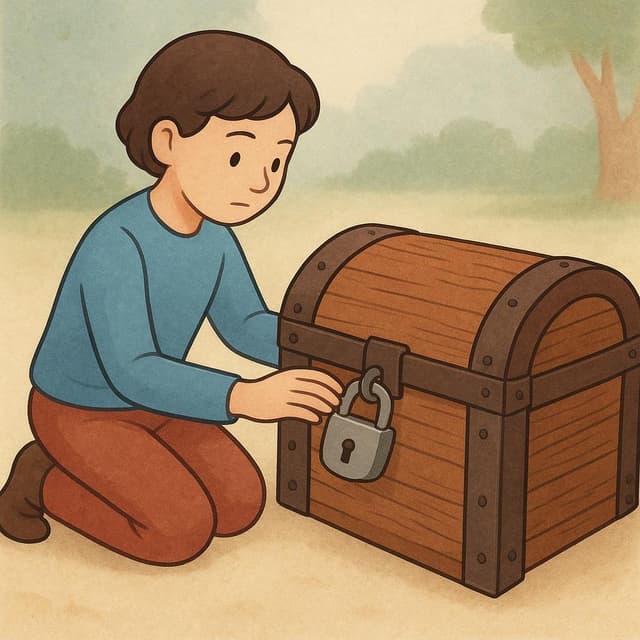
Koniugacja asegurarse Tryb rozkazujący (twierdzący)
asegurarse — to make sure
Asegúrate commands action directly: ¡Asegúrate!, ¡Asegurémonos!, ¡Asegúrense!
Formy asegurarse Tryb rozkazujący (twierdzący)
Kiedy używać Tryb rozkazujący (twierdzący)
Use the imperative to give direct commands or make strong suggestions to someone. For 'asegurarse', it's about telling someone to 'make sure' or 'check' something. For example, telling a friend to double-check their keys before leaving.
Uwagi dotyczące asegurarse w czasie Tryb rozkazujący (twierdzący)
Asegurarse is regular in the imperative, but remember the reflexive pronoun attaches to the end of affirmative commands (asegúrate, aseguremos, asegúrense). Also, note the spelling change in the 'tú' form (asegura -> asegúrate) and the accent shift in 'nosotros' (aseguramos -> asegurémonos) to maintain stress.
Przykładowe zdania
¡Asegúrate de que la puerta esté cerrada!
Make sure the door is closed!
tú
Antes de salir, ¡aseguraos de llevar todo!
Before leaving, make sure you bring everything!
vosotros
Señores, ¡asegúrense de que sus móviles estén en silencio!
Gentlemen, make sure your phones are on silent!
ustedes
¡Asegurémonos de que todo está listo para la fiesta!
Let's make sure everything is ready for the party!
nosotros
Częste błędy
Błąd: Forgetting the reflexive pronoun: 'Asegura que...'
Poprawnie: Asegúrate de que...
Dlaczego: Asegurarse is a reflexive verb, meaning 'to make sure *oneself*'. The pronoun 'te' (or 'se', 'nos', etc.) is essential.
Błąd: Incorrect pronoun placement: 'Te asegúrate de...'
Poprawnie: Asegúrate de...
Dlaczego: With affirmative commands, the reflexive pronoun attaches to the end of the verb.
Opanuj hiszpańskie czasowniki w kontekście
Zapamiętywanie tabel to dopiero początek. Przeczytaj ponad 200 ilustrowanych i udźwiękowionych hiszpańskich historii, aby zobaczyć czasowniki takie jak 'asegurarse' używane naturalnie — w czasach, których się uczysz.
Powiązane czasy
Czas teraźniejszy
yo: me aseguro
Now, habits, truths: me aseguro, te aseguras, se asegura.
Czas przeszły prosty
yo: me aseguré
Completed past actions: me aseguré, te aseguraste, se aseguró.
Czas przeszły niedokonany
yo: me aseguraba
Past ongoing/habitual actions: me aseguraba, te asegurabas, se aseguraba.
Czas przyszły
yo: me aseguraré
Future actions and probability: me aseguraré, te asegurarás, se asegurará.
Tryb warunkowy
yo: me aseguraría
Hypotheticals, polite requests: me aseguraría, te asegurarías, se aseguraría.
Tryb Subj. teraźniejszy
yo: me asegure
Expressing doubt, wishes, emotions: me asegure, te asegures, se asegure.
Tryb Subj. przeszły niedokonany
yo: me asegurara
Past hypotheticals and wishes: me asegurara, te aseguraras, se asegurara.
Tryb rozkazujący (przeczący)
yo: no te asegures
Don't do it!: No te asegures, no nos aseguremos, no se aseguren.