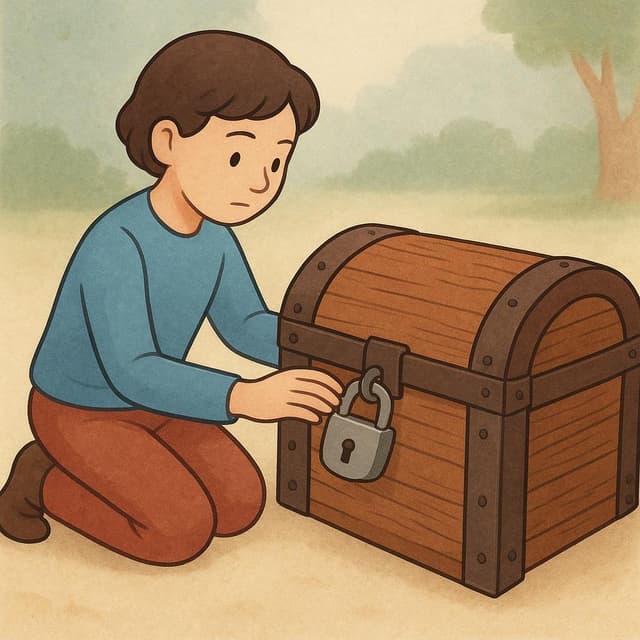
Koniugacja asegurarse Czas przeszły niedokonany
asegurarse — to make sure
Past ongoing/habitual actions: me aseguraba, te asegurabas, se aseguraba.
Formy asegurarse Czas przeszły niedokonany
Kiedy używać Czas przeszły niedokonany
Use the imperfect tense for actions that were ongoing or habitual in the past. It describes the background or setting for events. For 'asegurarse', it means 'I used to make sure', 'she was checking', or 'we were ensuring' as a routine or an ongoing process in the past.
Uwagi dotyczące asegurarse w czasie Czas przeszły niedokonany
Asegurarse is regular in the imperfect indicative. The endings are standard: '-aba', '-abas', '-aba', '-ábamos', '-abais', '-aban'. Add these to the infinitive stem 'asegura-'. Don't forget the reflexive pronoun before the verb!
Przykładowe zdania
Cuando vivía solo, me aseguraba de comprar suficiente comida.
When I lived alone, I used to make sure to buy enough food.
yo
¿Te asegurabas de que tus hermanos estuvieran en casa?
Were you making sure your siblings were home?
tú
Ella se aseguraba de que la habitación estuviera limpia cada día.
She made sure the room was clean every day.
él/ella/usted
Antes, nos asegurábamos de revisar las llaves tres veces.
Before, we used to make sure to check the keys three times.
nosotros
Ellos se aseguraban de que no se perdiera nada.
They were ensuring that nothing got lost.
ellos/ellas/ustedes
Częste błędy
Błąd: Using the preterite instead of imperfect: 'Me aseguró que todo estaba bien.'
Poprawnie: Me aseguraba que todo estaba bien (as a habit).
Dlaczego: The imperfect describes ongoing or habitual past actions ('used to make sure'), while the preterite describes completed actions ('made sure' once).
Błąd: Forgetting the reflexive pronoun: 'El se aseguraba de la tarea.'
Poprawnie: Él se aseguraba de la tarea.
Dlaczego: Asegurarse is reflexive; the pronoun is required.
Opanuj hiszpańskie czasowniki w kontekście
Zapamiętywanie tabel to dopiero początek. Przeczytaj ponad 200 ilustrowanych i udźwiękowionych hiszpańskich historii, aby zobaczyć czasowniki takie jak 'asegurarse' używane naturalnie — w czasach, których się uczysz.
Powiązane czasy
Czas teraźniejszy
yo: me aseguro
Now, habits, truths: me aseguro, te aseguras, se asegura.
Czas przeszły prosty
yo: me aseguré
Completed past actions: me aseguré, te aseguraste, se aseguró.
Czas przyszły
yo: me aseguraré
Future actions and probability: me aseguraré, te asegurarás, se asegurará.
Tryb warunkowy
yo: me aseguraría
Hypotheticals, polite requests: me aseguraría, te asegurarías, se aseguraría.
Tryb Subj. teraźniejszy
yo: me asegure
Expressing doubt, wishes, emotions: me asegure, te asegures, se asegure.
Tryb Subj. przeszły niedokonany
yo: me asegurara
Past hypotheticals and wishes: me asegurara, te aseguraras, se asegurara.
Tryb rozkazujący (twierdzący)
yo: asegúrate
Asegúrate commands action directly: ¡Asegúrate!, ¡Asegurémonos!, ¡Asegúrense!
Tryb rozkazujący (przeczący)
yo: no te asegures
Don't do it!: No te asegures, no nos aseguremos, no se aseguren.