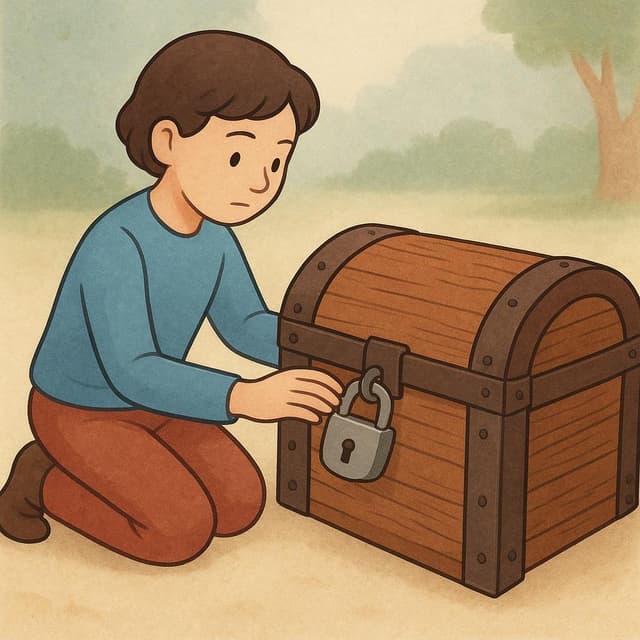
Koniugacja asegurarse Tryb Subj. teraźniejszy
asegurarse — to make sure
Expressing doubt, wishes, emotions: me asegure, te asegures, se asegure.
Formy asegurarse Tryb Subj. teraźniejszy
Kiedy używać Tryb Subj. teraźniejszy
Use the present subjunctive after expressions of doubt, desire, emotion, necessity, or uncertainty. For 'asegurarse', it's often used when you want something to happen, or you're not sure if it will. Think 'I hope he makes sure...' or 'It's important that she checks...'.
Uwagi dotyczące asegurarse w czasie Tryb Subj. teraźniejszy
Asegurarse is regular in the present subjunctive. It follows the pattern of other '-ar' verbs: take the 'yo' form of the present indicative (me aseguro), drop the '-o' (me asegur-), and add the opposite vowel endings (-e, -es, -e, -emos, -éis, -en). Remember the reflexive pronoun goes before the verb.
Przykładowe zdania
Espero que te asegures de cerrar la puerta.
I hope you make sure to close the door.
tú
Dudo que él se asegure de que todo esté correcto.
I doubt he'll make sure everything is correct.
él/ella/usted
Es necesario que nos aseguremos de tener suficiente comida.
It's necessary that we make sure we have enough food.
nosotros
Quiero que ustedes se aseguren de que no haya problemas.
I want you (plural) to make sure there are no problems.
ellos/ellas/ustedes
Częste błędy
Błąd: Using the indicative instead of subjunctive: 'Espero que te aseguras...'
Poprawnie: Espero que te asegures...
Dlaczego: Expressions of hope, doubt, or emotion trigger the subjunctive mood.
Błąd: Forgetting the reflexive pronoun: 'Espero que asegures...'
Poprawnie: Espero que te asegures...
Dlaczego: Asegurarse is reflexive, and the pronoun is required in all forms, including the subjunctive.
Opanuj hiszpańskie czasowniki w kontekście
Zapamiętywanie tabel to dopiero początek. Przeczytaj ponad 200 ilustrowanych i udźwiękowionych hiszpańskich historii, aby zobaczyć czasowniki takie jak 'asegurarse' używane naturalnie — w czasach, których się uczysz.
Powiązane czasy
Czas teraźniejszy
yo: me aseguro
Now, habits, truths: me aseguro, te aseguras, se asegura.
Czas przeszły prosty
yo: me aseguré
Completed past actions: me aseguré, te aseguraste, se aseguró.
Czas przeszły niedokonany
yo: me aseguraba
Past ongoing/habitual actions: me aseguraba, te asegurabas, se aseguraba.
Czas przyszły
yo: me aseguraré
Future actions and probability: me aseguraré, te asegurarás, se asegurará.
Tryb warunkowy
yo: me aseguraría
Hypotheticals, polite requests: me aseguraría, te asegurarías, se aseguraría.
Tryb Subj. przeszły niedokonany
yo: me asegurara
Past hypotheticals and wishes: me asegurara, te aseguraras, se asegurara.
Tryb rozkazujący (twierdzący)
yo: asegúrate
Asegúrate commands action directly: ¡Asegúrate!, ¡Asegurémonos!, ¡Asegúrense!
Tryb rozkazujący (przeczący)
yo: no te asegures
Don't do it!: No te asegures, no nos aseguremos, no se aseguren.