asistirKoniugacja
asistir oznacza uczestniczyć.
Kompletne tabele koniugacji
Odniesienie do wszystkich czasów i trybów
Indicative
Present
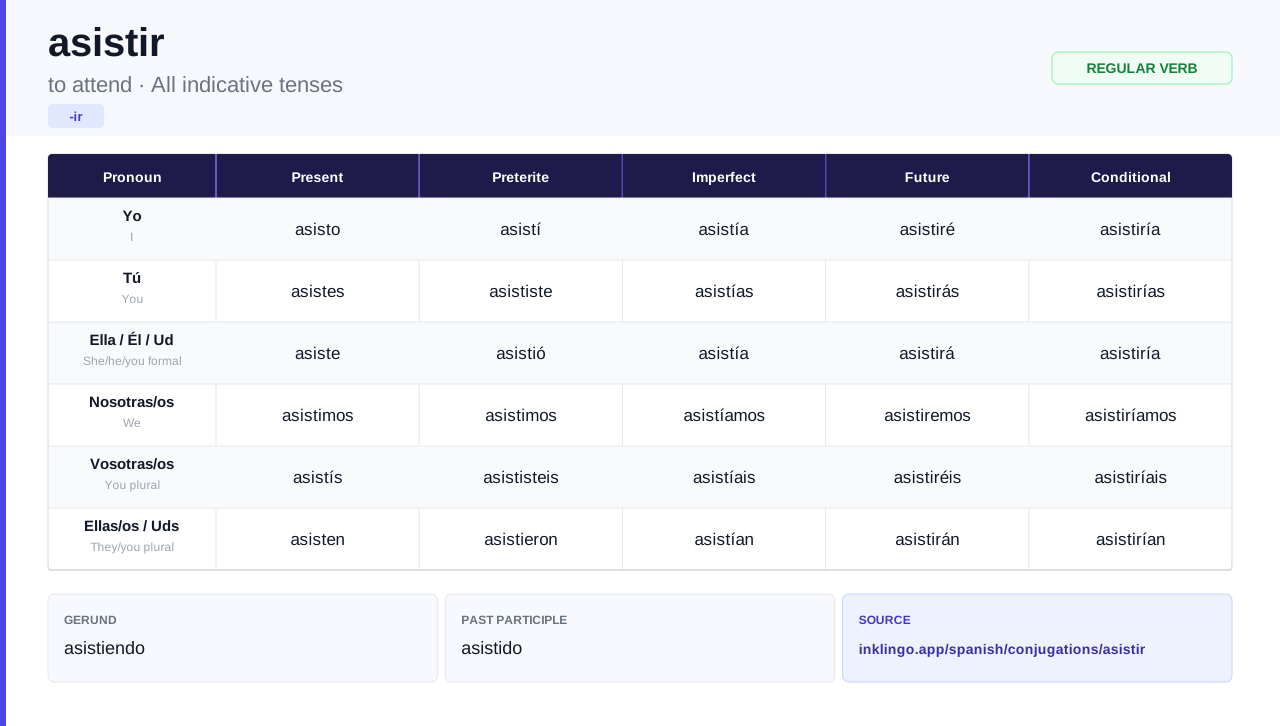
The present tense of asistir is regular: asisto, asistes, asiste, asistimos, asistís, asisten.
Future
The future tense of asistir is regular: asistiré, asistirás, asistirá, asistiremos, asistiréis, asistirán.
Imperfect
The imperfect tense of asistir is regular: asistía, asistías, asistía, asistíamos, asistíais, asistían.
Conditional
The conditional of asistir is regular: asistiría, asistirías, asistiría, asistiríamos, asistiríais, asistirían.
Preterite
The preterite of asistir is regular: asistí, asististe, asistió, asistimos, asististeis, asistieron.
Imperative
Negative Imperative
Use no + present subjunctive for negative commands, like 'No asistas a la fiesta si no quieres.' (Don't attend the party if you don't want to).
Imperative
Use the imperative of asistir for direct commands like '¡Asiste a la reunión!' (Attend the meeting!).
Subjunctive
Present Subjunctive
Use the present subjunctive of asistir after expressions of desire, doubt, or emotion, like 'Espero que asistas a la fiesta.' (I hope you attend the party).
Imperfect Subjunctive
Use the imperfect subjunctive of asistir for past hypotheticals or wishes, like 'Si asistiera a la conferencia, habría aprendido mucho.' (If I had attended the conference, I would have learned a lot).
Ćwicz koniugacje
Sprawdź swoją wiedzę za pomocą interaktywnych ćwiczeń
Przenieś asistir z tabel do prawdziwego hiszpańskiego
Tabele koniugacji to dopiero początek. Przeczytaj ponad 200 ilustrowanych i udźwiękowionych hiszpańskich historii, aby zobaczyć 'asistir' w akcji w prawdziwych zdaniach — i zbuduj instynkt, jaki mają rodzimi użytkownicy języka.
Często zadawane pytania
Co oznacza asistir po hiszpańsku?
asistir oznacza „uczestniczyć”.
Czy asistir to czasownik regularny czy nieregularny?
asistir to czasownik regular -ir w języku hiszpańskim.
Jak koniuguje się asistir w czasie teraźniejszym?
Czas teraźniejszy asistir to: yo asisto, tú asistes, él/ella/usted asiste, nosotros asistimos, vosotros asistís, ellos/ellas/ustedes asisten.
Jak koniuguje się asistir w czasie przeszłym dokonanym (preterite)?
Czas przeszły dokonany asistir to: yo asistí, tú asististe, él/ella/usted asistió, nosotros asistimos, vosotros asististeis, ellos/ellas/ustedes asistieron.
asistir ściągawka koniugacyjna