Koniugacja atar Tryb warunkowy
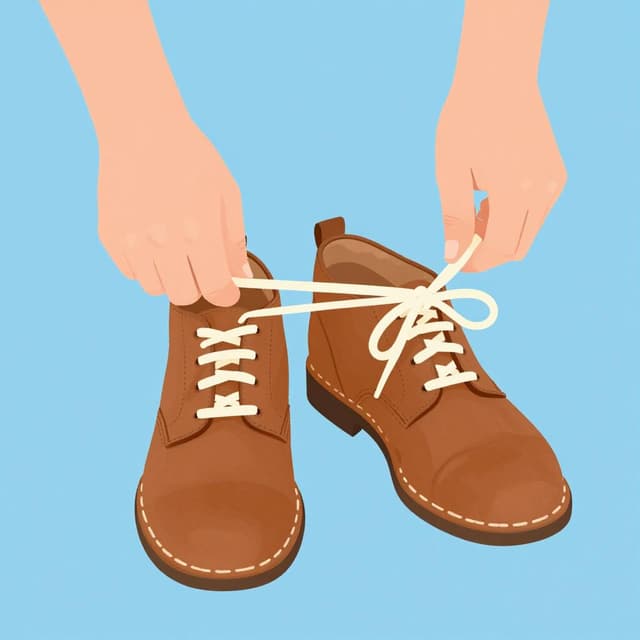
atar — to tie
Use 'ataría', 'atarías', 'ataría', 'ataríamos', 'ataríais', 'atarían' for hypothetical situations or polite requests.
Formy atar Tryb warunkowy
Kiedy używać Tryb warunkowy
The conditional is used for 'what would happen' scenarios ('Si tuviera tiempo, ataría los cables' - If I had time, I would tie the cables), polite requests ('¿Atarías esto por mí?' - Would you tie this for me?), or to express future actions from a past perspective.
Uwagi dotyczące atar w czasie Tryb warunkowy
'Atar' is regular in the conditional tense. The conditional stem is the infinitive ('atar') plus the standard conditional endings.
Przykładowe zdania
Yo ataría los cordones si no estuvieran mojados.
I would tie the laces if they weren't wet.
yo
¿Tú atarías el nudo más fuerte?
Would you tie the knot tighter?
tú
Ella ataría el paquete con una cinta roja.
She would tie the package with a red ribbon.
él/ella/usted
Nosotros ataríamos las velas si hiciera viento.
We would tie the sails if it were windy.
nosotros
Częste błędy
Błąd: Confusing conditional ('ataría') with future ('ataré').
Poprawnie: Use 'ataría' for hypothetical 'would' situations, and 'ataré' for definite future 'will' actions.
Dlaczego: They express different moods and certainty levels about the action.
Błąd: Forgetting the accents on the conditional endings.
Poprawnie: Forms like 'ataría', 'atarías', 'ataría', 'atarían' all require accents on the 'i'.
Dlaczego: The accent is part of the standard conditional ending.
Opanuj hiszpańskie czasowniki w kontekście
Zapamiętywanie tabel to dopiero początek. Przeczytaj ponad 200 ilustrowanych i udźwiękowionych hiszpańskich historii, aby zobaczyć czasowniki takie jak 'atar' używane naturalnie — w czasach, których się uczysz.
Powiązane czasy
Czas teraźniejszy
yo: ato
Use 'ato', 'atas', 'ata', 'atamos', 'atáis', 'atan' for actions happening now or habitual actions.
Czas przeszły prosty
yo: até
Use 'até', 'ataste', 'ató', 'atamos', 'atasteis', 'ataron' for completed actions in the past.
Czas przeszły niedokonany
yo: ataba
Use 'ataba', 'atabas', 'ataba', 'atábamos', 'atabais', 'ataban' for ongoing or habitual past actions.
Czas przyszły
yo: ataré
Use 'ataré', 'atarás', 'atará', 'ataremos', 'ataréis', 'atarán' for actions that will happen.
Tryb Subj. teraźniejszy
yo: ate
Use 'ate', 'ates', 'atemos', 'atéis', 'aten' after expressions of doubt, desire, emotion, or uncertainty.
Tryb Subj. przeszły niedokonany
yo: atara
Use 'atara', 'ataras', 'atáramos', 'atarais', 'ataran' for past hypothetical or unreal situations.
Tryb rozkazujący (twierdzący)
yo: ata
Use 'ata' (tú), 'ate' (usted), 'atemos' (nosotros), 'atad' (vosotros), 'aten' (ustedes) for direct commands.
Tryb rozkazujący (przeczący)
yo: no ates
Use 'no ates' (tú), 'no ate' (usted), 'no atemos' (nosotros), 'no atéis' (vosotros), 'no aten' (ustedes) for negative commands.