Koniugacja atar Czas przeszły niedokonany
atar — to tie
Use 'ataba', 'atabas', 'ataba', 'atábamos', 'atabais', 'ataban' for ongoing or habitual past actions.
Formy atar Czas przeszły niedokonany
Kiedy używać Czas przeszły niedokonany
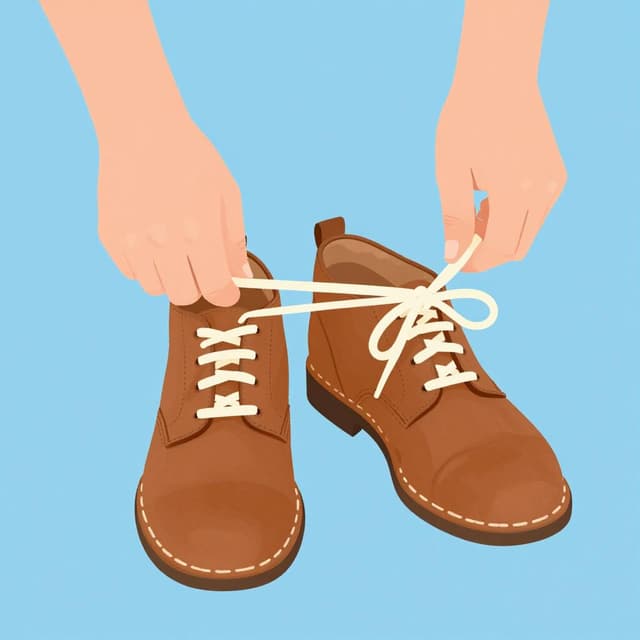
The imperfect is for describing actions in the past that were ongoing, habitual, or set the scene. For 'atar', it could be 'Yo ataba mis zapatos cada mañana' (I used to tie my shoes every morning) or 'Mientras él ataba la cuerda, yo observaba' (While he was tying the rope, I was watching).
Uwagi dotyczące atar w czasie Czas przeszły niedokonany
'Atar' is regular in the imperfect indicative. All forms follow the standard pattern for -ar verbs.
Przykładowe zdania
Cuando era niño, yo ataba mis zapatos solo.
When I was a child, I used to tie my shoes by myself.
yo
¿Tú atabas los perros en el patio?
Did you use to tie the dogs in the yard?
tú
Ella ataba su cabello antes de bailar.
She used to tie her hair before dancing.
él/ella/usted
Ellos ataban los caballos mientras hablaban.
They were tying the horses while they talked.
ellos/ellas/ustedes
Częste błędy
Błąd: Using the preterite 'ató' for a habitual past action.
Poprawnie: Use 'ataba' for actions done repeatedly or continuously in the past.
Dlaczego: The preterite is for completed actions, while the imperfect is for ongoing or habitual ones.
Błąd: Confusing the 'vosotros' imperfect form.
Poprawnie: The form is 'atabais', not 'atábais' or 'atáis'.
Dlaczego: The imperfect vosotros ending for -ar verbs is '-abais'.
Opanuj hiszpańskie czasowniki w kontekście
Zapamiętywanie tabel to dopiero początek. Przeczytaj ponad 200 ilustrowanych i udźwiękowionych hiszpańskich historii, aby zobaczyć czasowniki takie jak 'atar' używane naturalnie — w czasach, których się uczysz.
Powiązane czasy
Czas teraźniejszy
yo: ato
Use 'ato', 'atas', 'ata', 'atamos', 'atáis', 'atan' for actions happening now or habitual actions.
Czas przeszły prosty
yo: até
Use 'até', 'ataste', 'ató', 'atamos', 'atasteis', 'ataron' for completed actions in the past.
Czas przyszły
yo: ataré
Use 'ataré', 'atarás', 'atará', 'ataremos', 'ataréis', 'atarán' for actions that will happen.
Tryb warunkowy
yo: ataría
Use 'ataría', 'atarías', 'ataría', 'ataríamos', 'ataríais', 'atarían' for hypothetical situations or polite requests.
Tryb Subj. teraźniejszy
yo: ate
Use 'ate', 'ates', 'atemos', 'atéis', 'aten' after expressions of doubt, desire, emotion, or uncertainty.
Tryb Subj. przeszły niedokonany
yo: atara
Use 'atara', 'ataras', 'atáramos', 'atarais', 'ataran' for past hypothetical or unreal situations.
Tryb rozkazujący (twierdzący)
yo: ata
Use 'ata' (tú), 'ate' (usted), 'atemos' (nosotros), 'atad' (vosotros), 'aten' (ustedes) for direct commands.
Tryb rozkazujący (przeczący)
yo: no ates
Use 'no ates' (tú), 'no ate' (usted), 'no atemos' (nosotros), 'no atéis' (vosotros), 'no aten' (ustedes) for negative commands.