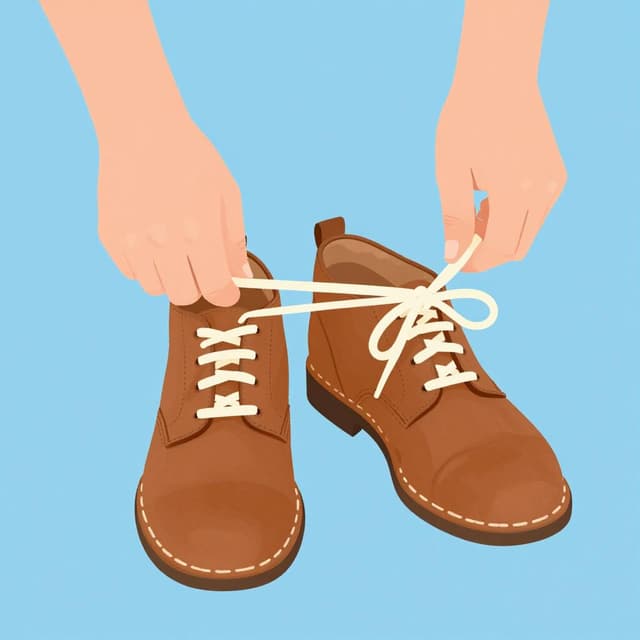
Koniugacja atar Tryb Subj. przeszły niedokonany
atar — to tie
Use 'atara', 'ataras', 'atáramos', 'atarais', 'ataran' for past hypothetical or unreal situations.
Formy atar Tryb Subj. przeszły niedokonany
Kiedy używać Tryb Subj. przeszły niedokonany
This tense is used for hypothetical situations in the past, wishes, or polite requests that didn't necessarily happen. For example, 'Si atara los cables, funcionaría' (If I tied the cables, it would work). It's also used after certain past verbs expressing doubt or emotion.
Uwagi dotyczące atar w czasie Tryb Subj. przeszły niedokonany
The imperfect subjunctive of 'atar' is regular. The stem is formed from the third-person plural preterite ('ataron') by dropping the '-ron' and adding the subjunctive endings. The '-ra' form is generally preferred over the '-se' form.
Przykładowe zdania
Me gustaría que ataras bien ese nudo.
I would like you to tie that knot well.
tú
Si yo atara todos los cabos, no habría problema.
If I tied all the loose ends, there would be no problem.
yo
Esperábamos que ellos ataran los paquetes con cuidado.
We hoped they would tie the packages carefully.
ellos/ellas/ustedes
Sería genial si atáramos todo antes de irnos.
It would be great if we tied everything up before leaving.
nosotros
Częste błędy
Błąd: Confusing imperfect subjunctive with preterite or imperfect indicative.
Poprawnie: Use imperfect subjunctive for unreal conditions or wishes, like 'Si atara...' (If I tied...).
Dlaczego: The indicative tenses describe facts or ongoing past actions, not hypotheticals.
Błąd: Using the '-se' ending when the '-ra' is expected or preferred.
Poprawnie: Prefer 'atara', 'ataras', etc., over 'atase', 'atases', etc., especially in spoken Spanish.
Dlaczego: While both are correct, the '-ra' form is more common and often sounds more natural.
Opanuj hiszpańskie czasowniki w kontekście
Zapamiętywanie tabel to dopiero początek. Przeczytaj ponad 200 ilustrowanych i udźwiękowionych hiszpańskich historii, aby zobaczyć czasowniki takie jak 'atar' używane naturalnie — w czasach, których się uczysz.
Powiązane czasy
Czas teraźniejszy
yo: ato
Use 'ato', 'atas', 'ata', 'atamos', 'atáis', 'atan' for actions happening now or habitual actions.
Czas przeszły prosty
yo: até
Use 'até', 'ataste', 'ató', 'atamos', 'atasteis', 'ataron' for completed actions in the past.
Czas przeszły niedokonany
yo: ataba
Use 'ataba', 'atabas', 'ataba', 'atábamos', 'atabais', 'ataban' for ongoing or habitual past actions.
Czas przyszły
yo: ataré
Use 'ataré', 'atarás', 'atará', 'ataremos', 'ataréis', 'atarán' for actions that will happen.
Tryb warunkowy
yo: ataría
Use 'ataría', 'atarías', 'ataría', 'ataríamos', 'ataríais', 'atarían' for hypothetical situations or polite requests.
Tryb Subj. teraźniejszy
yo: ate
Use 'ate', 'ates', 'atemos', 'atéis', 'aten' after expressions of doubt, desire, emotion, or uncertainty.
Tryb rozkazujący (twierdzący)
yo: ata
Use 'ata' (tú), 'ate' (usted), 'atemos' (nosotros), 'atad' (vosotros), 'aten' (ustedes) for direct commands.
Tryb rozkazujący (przeczący)
yo: no ates
Use 'no ates' (tú), 'no ate' (usted), 'no atemos' (nosotros), 'no atéis' (vosotros), 'no aten' (ustedes) for negative commands.