Koniugacja ensayar Tryb warunkowy
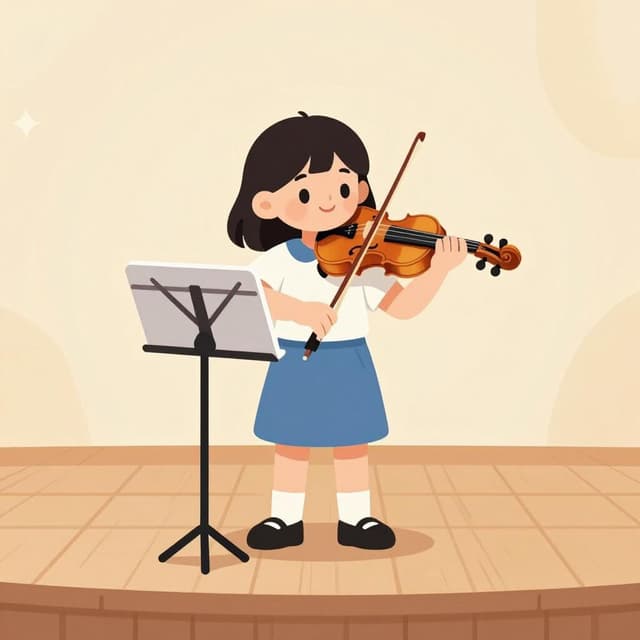
ensayar — to rehearse
The conditional of ensayar is regular: ensayaría, ensayarías, ensayaría, ensayaríamos, ensayaríais, ensayarían.
Formy ensayar Tryb warunkowy
Kiedy używać Tryb warunkowy
Use the conditional to express hypothetical situations ('would rehearse'), polite requests, or future actions from a past perspective ('he said he would rehearse').
Uwagi dotyczące ensayar w czasie Tryb warunkowy
Ensayar is a regular -ar verb and is completely regular in the conditional tense. The stem is the infinitive 'ensayar', and the standard conditional endings are added.
Przykładowe zdania
Si tuviera tiempo, ensayaría más.
If I had time, I would rehearse more.
yo
¿Nos ayudarías a ensayar la escena?
Would you help us rehearse the scene?
tú
Ellos dijeron que ensayarían el sábado.
They said they would rehearse on Saturday.
ellos/ellas/ustedes
Nosotros ensayaríamos la obra si nos dieran permiso.
We would rehearse the play if they gave us permission.
nosotros
Częste błędy
Błąd: Confusing the conditional ('ensayaría') with the imperfect subjunctive ('ensayara') in hypothetical sentences.
Poprawnie: Use the imperfect subjunctive in the 'if' clause ('Si ensayara...') and the conditional in the main clause ('...ensayaría').
Dlaczego: This is the standard structure for hypothetical conditional sentences in Spanish (Type 2 conditional).
Błąd: Using the infinitive ('ensayar') instead of the conditional form.
Poprawnie: Remember to add the conditional endings: 'ensayaría', 'ensayarías', etc.
Dlaczego: The conditional tense requires specific endings added to the infinitive stem.
Opanuj hiszpańskie czasowniki w kontekście
Zapamiętywanie tabel to dopiero początek. Przeczytaj ponad 200 ilustrowanych i udźwiękowionych hiszpańskich historii, aby zobaczyć czasowniki takie jak 'ensayar' używane naturalnie — w czasach, których się uczysz.
Powiązane czasy
Czas teraźniejszy
yo: ensayo
The present indicative of ensayar is regular: ensayo, ensayas, ensaya, ensayamos, ensayáis, ensayan.
Czas przeszły prosty
yo: ensayé
The preterite of ensayar is regular: ensayé, ensayaste, ensayó, ensayamos, ensayasteis, ensayaron.
Czas przeszły niedokonany
yo: ensayaba
The imperfect of ensayar is regular: ensayaba, ensayabas, ensayaba, ensayábamos, ensayabais, ensayaban.
Czas przyszły
yo: ensayaré
The future of ensayar is regular: ensayaré, ensayarás, ensayará, ensayaremos, ensayaréis, ensayarán.
Tryb Subj. teraźniejszy
yo: ensaye
The present subjunctive of ensayar (ensaye, ensayes) is used after expressions of doubt, desire, emotion, or uncertainty.
Tryb Subj. przeszły niedokonany
yo: ensayara
The imperfect subjunctive of ensayar (ensayara/ensayase) is used for past hypotheticals, wishes, or doubts.
Tryb rozkazujący (twierdzący)
yo: ensaya
The imperative of ensayar uses regular -ar endings, except for tú which is ensaya.
Tryb rozkazujący (przeczący)
yo: no ensayes
Negative commands for ensayar use the present subjunctive: no ensayes, no ensaye, no ensayemos, no ensayéis, no ensayen.