Koniugacja ensayar Czas przeszły niedokonany
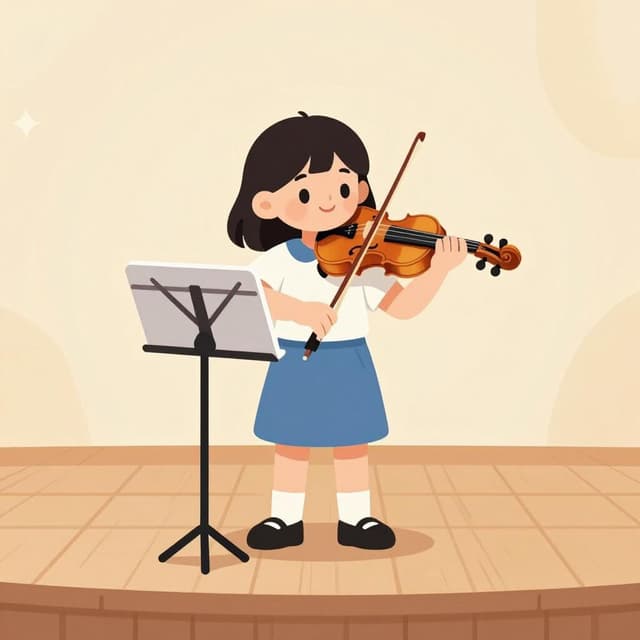
ensayar — to rehearse
The imperfect of ensayar is regular: ensayaba, ensayabas, ensayaba, ensayábamos, ensayabais, ensayaban.
Formy ensayar Czas przeszły niedokonany
Kiedy używać Czas przeszły niedokonany
Use the imperfect to describe ongoing or habitual actions of rehearsing in the past, or to set the scene. For example, 'He used to rehearse every day' or 'While they were rehearsing, the phone rang'.
Uwagi dotyczące ensayar w czasie Czas przeszły niedokonany
Ensayar is a regular -ar verb and is completely regular in the imperfect tense. All forms follow the standard conjugation pattern for regular -ar verbs.
Przykładowe zdania
Cuando era joven, ensayaba piano dos horas al día.
When I was young, I used to rehearse piano two hours a day.
yo
Los actores ensayaban sus líneas mientras el director observaba.
The actors were rehearsing their lines while the director watched.
ellos/ellas/ustedes
¿Tú ensayabas en ese teatro antes?
Did you used to rehearse in that theater before?
tú
Nosotros ensayábamos la coreografía cada tarde.
We rehearsed the choreography every afternoon.
nosotros
Częste błędy
Błąd: Using the preterite ('ensayó') for an ongoing or habitual past action.
Poprawnie: For habitual or ongoing past actions, use the imperfect: 'Él ensayaba a menudo'.
Dlaczego: The imperfect describes actions that were in progress or repeated over a period in the past, not completed events.
Błąd: Incorrectly conjugating the vosotros form, e.g., 'ensayaban' instead of 'ensayabais'.
Poprawnie: The vosotros imperfect form is 'ensayabais'.
Dlaczego: The correct ending for vosotros in the imperfect indicative of -ar verbs is -abais.
Opanuj hiszpańskie czasowniki w kontekście
Zapamiętywanie tabel to dopiero początek. Przeczytaj ponad 200 ilustrowanych i udźwiękowionych hiszpańskich historii, aby zobaczyć czasowniki takie jak 'ensayar' używane naturalnie — w czasach, których się uczysz.
Powiązane czasy
Czas teraźniejszy
yo: ensayo
The present indicative of ensayar is regular: ensayo, ensayas, ensaya, ensayamos, ensayáis, ensayan.
Czas przeszły prosty
yo: ensayé
The preterite of ensayar is regular: ensayé, ensayaste, ensayó, ensayamos, ensayasteis, ensayaron.
Czas przyszły
yo: ensayaré
The future of ensayar is regular: ensayaré, ensayarás, ensayará, ensayaremos, ensayaréis, ensayarán.
Tryb warunkowy
yo: ensayaría
The conditional of ensayar is regular: ensayaría, ensayarías, ensayaría, ensayaríamos, ensayaríais, ensayarían.
Tryb Subj. teraźniejszy
yo: ensaye
The present subjunctive of ensayar (ensaye, ensayes) is used after expressions of doubt, desire, emotion, or uncertainty.
Tryb Subj. przeszły niedokonany
yo: ensayara
The imperfect subjunctive of ensayar (ensayara/ensayase) is used for past hypotheticals, wishes, or doubts.
Tryb rozkazujący (twierdzący)
yo: ensaya
The imperative of ensayar uses regular -ar endings, except for tú which is ensaya.
Tryb rozkazujący (przeczący)
yo: no ensayes
Negative commands for ensayar use the present subjunctive: no ensayes, no ensaye, no ensayemos, no ensayéis, no ensayen.