Koniugacja mascar Tryb warunkowy
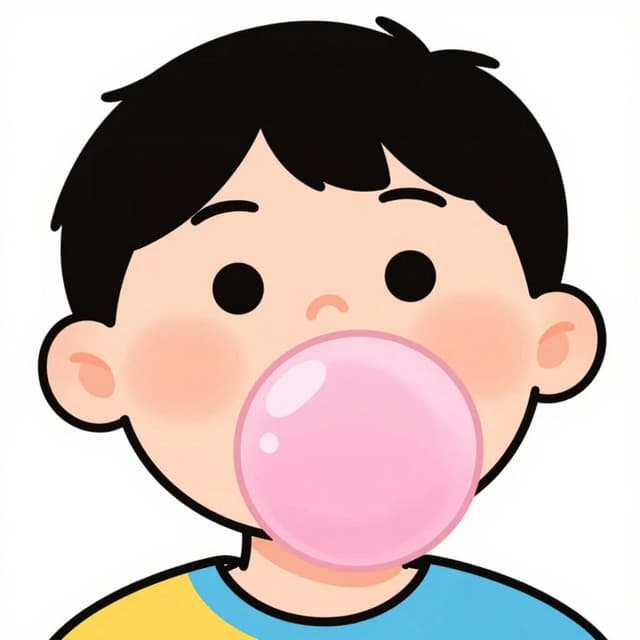
mascar — to chew
The conditional of mascar is regular: mascaría, mascarías, mascaría, mascaríamos, mascaríais, mascarían.
Formy mascar Tryb warunkowy
Kiedy używać Tryb warunkowy
Use this for hypothetical chewing or polite suggestions, such as 'I would chew that if it weren't so hard'.
Uwagi dotyczące mascar w czasie Tryb warunkowy
Mascar is fully regular in the conditional. The endings are added directly to the infinitive.
Przykładowe zdania
Yo mascaría este chicle, pero no tiene sabor.
I would chew this gum, but it has no flavor.
yo
¿Mascarías algo si tuvieras hambre?
Would you chew something if you were hungry?
tú
Ellos mascarían más si la carne estuviera tierna.
They would chew more if the meat were tender.
ellos/ellas/ustedes
Częste błędy
Błąd: mascaria
Poprawnie: mascaría
Dlaczego: All conditional forms require an accent on the 'í' to distinguish the sound and the tense.
Opanuj hiszpańskie czasowniki w kontekście
Zapamiętywanie tabel to dopiero początek. Przeczytaj ponad 200 ilustrowanych i udźwiękowionych hiszpańskich historii, aby zobaczyć czasowniki takie jak 'mascar' używane naturalnie — w czasach, których się uczysz.
Powiązane czasy
Czas teraźniejszy
yo: masco
The present tense of mascar is completely regular: masco, mascas, masca, mascamos, mascáis, mascan.
Czas przeszły prosty
yo: masqué
The preterite of mascar is regular except for the 'yo' form spelling change: masqué.
Czas przeszły niedokonany
yo: mascaba
The imperfect of mascar is regular: mascaba, mascabas, mascaba, mascábamos, mascabais, mascaban.
Czas przyszły
yo: mascaré
The future of mascar is regular: mascaré, mascarás, mascará, mascaremos, mascaréis, mascarán.
Tryb Subj. teraźniejszy
yo: masque
The present subjunctive of mascar requires a c-to-qu spelling change: masque, masques, masque, masquemos, masquéis, masquen.
Tryb Subj. przeszły niedokonany
yo: mascara
The imperfect subjunctive is formed from the third-person plural preterite: mascara, mascaras, mascara, mascáramos, mascarais, mascaran.
Tryb rozkazujący (twierdzący)
yo: masca
The affirmative imperative of mascar uses 'masca' for tú and 'masque' for usted.
Tryb rozkazujący (przeczący)
yo: no masques
The negative imperative of mascar always uses the 'qu' spelling change: no masques, no masque, no masquemos, no masquéis, no masquen.