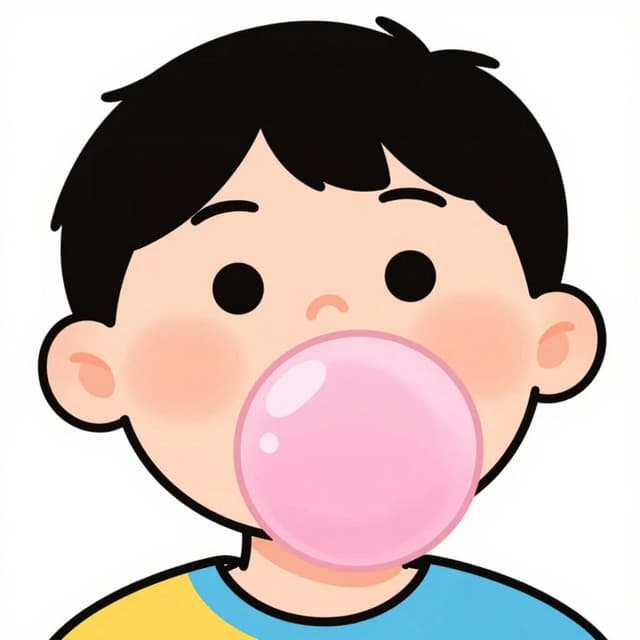
Koniugacja mascar Czas przeszły niedokonany
mascar — to chew
The imperfect of mascar is regular: mascaba, mascabas, mascaba, mascábamos, mascabais, mascaban.
Formy mascar Czas przeszły niedokonany
Kiedy używać Czas przeszły niedokonany
Use this for habitual actions in the past or to describe a continuous state of chewing, like 'I used to chew gum in school'.
Uwagi dotyczące mascar w czasie Czas przeszły niedokonany
Mascar follows the standard -aba pattern for -ar verbs in the imperfect. No spelling changes are needed.
Przykładowe zdania
De niño, yo mascaba chicle todo el día.
As a child, I used to chew gum all day.
yo
Mi abuelo siempre mascaba tabaco.
My grandfather always chewed tobacco.
él/ella/usted
Nosotros mascábamos la comida lentamente.
We were chewing the food slowly.
nosotros
Częste błędy
Błąd: mascaba (for nosotros)
Poprawnie: mascábamos
Dlaczego: The nosotros form of -ar verbs in the imperfect always requires an accent on the first 'a' of the ending.
Opanuj hiszpańskie czasowniki w kontekście
Zapamiętywanie tabel to dopiero początek. Przeczytaj ponad 200 ilustrowanych i udźwiękowionych hiszpańskich historii, aby zobaczyć czasowniki takie jak 'mascar' używane naturalnie — w czasach, których się uczysz.
Powiązane czasy
Czas teraźniejszy
yo: masco
The present tense of mascar is completely regular: masco, mascas, masca, mascamos, mascáis, mascan.
Czas przeszły prosty
yo: masqué
The preterite of mascar is regular except for the 'yo' form spelling change: masqué.
Czas przyszły
yo: mascaré
The future of mascar is regular: mascaré, mascarás, mascará, mascaremos, mascaréis, mascarán.
Tryb warunkowy
yo: mascaría
The conditional of mascar is regular: mascaría, mascarías, mascaría, mascaríamos, mascaríais, mascarían.
Tryb Subj. teraźniejszy
yo: masque
The present subjunctive of mascar requires a c-to-qu spelling change: masque, masques, masque, masquemos, masquéis, masquen.
Tryb Subj. przeszły niedokonany
yo: mascara
The imperfect subjunctive is formed from the third-person plural preterite: mascara, mascaras, mascara, mascáramos, mascarais, mascaran.
Tryb rozkazujący (twierdzący)
yo: masca
The affirmative imperative of mascar uses 'masca' for tú and 'masque' for usted.
Tryb rozkazujący (przeczący)
yo: no masques
The negative imperative of mascar always uses the 'qu' spelling change: no masques, no masque, no masquemos, no masquéis, no masquen.