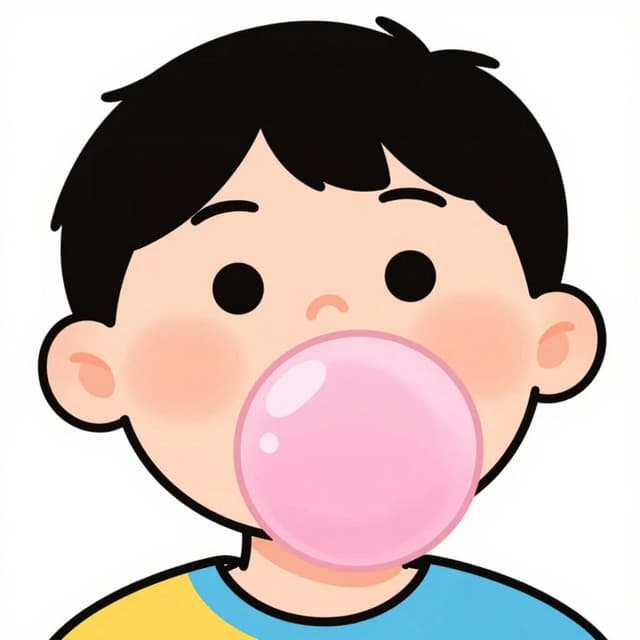
Koniugacja mascar Czas teraźniejszy
mascar — to chew
The present tense of mascar is completely regular: masco, mascas, masca, mascamos, mascáis, mascan.
Formy mascar Czas teraźniejszy
Kiedy używać Czas teraźniejszy
Use this for current habits or general facts, such as 'I always chew my food well' or 'He chews gum every day'.
Uwagi dotyczące mascar w czasie Czas teraźniejszy
Mascar is a regular -ar verb in the present tense. No spelling changes occur because the endings start with 'o' or 'a'.
Przykładowe zdania
Siempre masco chicle después de comer.
I always chew gum after eating.
yo
¿Por qué mascas tan fuerte?
Why do you chew so loudly?
tú
Los niños mascan caramelos blandos.
The children chew soft candies.
ellos/ellas/ustedes
Częste błędy
Błąd: masque (as a statement)
Poprawnie: masca
Dlaczego: Don't confuse the present indicative with the subjunctive. Use 'masca' for facts and 'masque' for doubts/wishes.
Opanuj hiszpańskie czasowniki w kontekście
Zapamiętywanie tabel to dopiero początek. Przeczytaj ponad 200 ilustrowanych i udźwiękowionych hiszpańskich historii, aby zobaczyć czasowniki takie jak 'mascar' używane naturalnie — w czasach, których się uczysz.
Powiązane czasy
Czas przeszły prosty
yo: masqué
The preterite of mascar is regular except for the 'yo' form spelling change: masqué.
Czas przeszły niedokonany
yo: mascaba
The imperfect of mascar is regular: mascaba, mascabas, mascaba, mascábamos, mascabais, mascaban.
Czas przyszły
yo: mascaré
The future of mascar is regular: mascaré, mascarás, mascará, mascaremos, mascaréis, mascarán.
Tryb warunkowy
yo: mascaría
The conditional of mascar is regular: mascaría, mascarías, mascaría, mascaríamos, mascaríais, mascarían.
Tryb Subj. teraźniejszy
yo: masque
The present subjunctive of mascar requires a c-to-qu spelling change: masque, masques, masque, masquemos, masquéis, masquen.
Tryb Subj. przeszły niedokonany
yo: mascara
The imperfect subjunctive is formed from the third-person plural preterite: mascara, mascaras, mascara, mascáramos, mascarais, mascaran.
Tryb rozkazujący (twierdzący)
yo: masca
The affirmative imperative of mascar uses 'masca' for tú and 'masque' for usted.
Tryb rozkazujący (przeczący)
yo: no masques
The negative imperative of mascar always uses the 'qu' spelling change: no masques, no masque, no masquemos, no masquéis, no masquen.