Koniugacja noquear Tryb rozkazujący (przeczący)
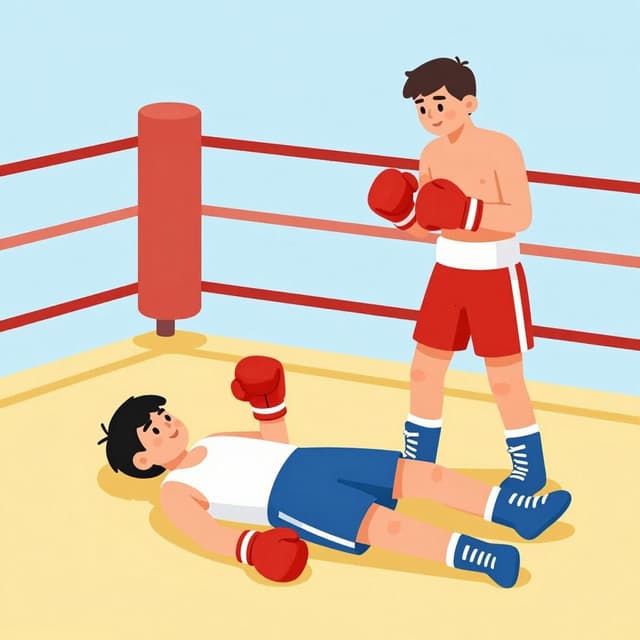
noquear — to knock out
Use 'no noquees', 'no noquee', 'no noqueemos', 'no noqueéis', 'no noqueen' for negative commands.
Formy noquear Tryb rozkazujący (przeczący)
Kiedy używać Tryb rozkazujący (przeczący)
This is for telling someone *not* to do something, like 'Don't knock out your teammate!' or 'Don't knock over the vase!'. It's used when you want to prevent an action.
Uwagi dotyczące noquear w czasie Tryb rozkazujący (przeczący)
Negative commands in Spanish are formed using the 'no' followed by the present subjunctive. Noquear is regular here, so it follows the standard present subjunctive pattern.
Przykładowe zdania
No noquees al árbitro, por favor.
Don't knock out the referee, please.
tú
No noquee la torre de vasos.
Don't knock over the tower of glasses.
usted
No noqueemos a nuestro propio equipo.
Let's not knock out our own team.
nosotros
No noqueéis la decoración.
Don't you all (Spain, informal) knock over the decoration.
vosotros
No noqueen a los civiles.
Don't you all knock out the civilians.
Częste błędy
Błąd: Forgetting the 'no' before the verb.
Poprawnie: Always include 'no' for negative commands: 'No noquees'.
Dlaczego: The 'no' is essential to make the command negative.
Błąd: Using the indicative instead of the subjunctive.
Poprawnie: Use the present subjunctive forms: 'no noquees', not 'no noqueas'.
Dlaczego: Negative commands require the present subjunctive mood.
Opanuj hiszpańskie czasowniki w kontekście
Zapamiętywanie tabel to dopiero początek. Przeczytaj ponad 200 ilustrowanych i udźwiękowionych hiszpańskich historii, aby zobaczyć czasowniki takie jak 'noquear' używane naturalnie — w czasach, których się uczysz.
Powiązane czasy
Czas teraźniejszy
yo: noqueo
The present tense of noquear is regular: noqueo, noqueas, noquea, noqueamos, noqueáis, noquean.
Czas przeszły prosty
yo: noqueé
The preterite of noquear is regular: noqueé, noqueaste, noqueó, noqueamos, noqueasteis, noquearon.
Czas przeszły niedokonany
yo: noqueaba
The imperfect of noquear is regular: noqueaba, noqueabas, noqueaba, noqueábamos, noqueabais, noqueaban.
Czas przyszły
yo: noquearé
The future tense of noquear is regular: noquearé, noquearás, noqueará, noquearemos, noquearéis, noquearán.
Tryb warunkowy
yo: noquearía
The conditional of noquear is regular: noquearía, noquearías, noquearía, noquearíamos, noquearíais, noquearían.
Tryb Subj. teraźniejszy
yo: noquee
Use the present subjunctive of noquear after expressions of doubt, desire, or emotion, like 'Espero que noquees'.
Tryb Subj. przeszły niedokonany
yo: noqueara
Use the imperfect subjunctive of noquear for past hypotheticals or wishes, like 'si noqueara' or 'ojalá noqueara'.
Tryb rozkazujący (twierdzący)
yo: noquea
Use 'noquea', 'noquee', 'noqueemos', 'noquead', 'noqueen' for direct commands with noquear.