Koniugacja prender Czas przeszły niedokonany
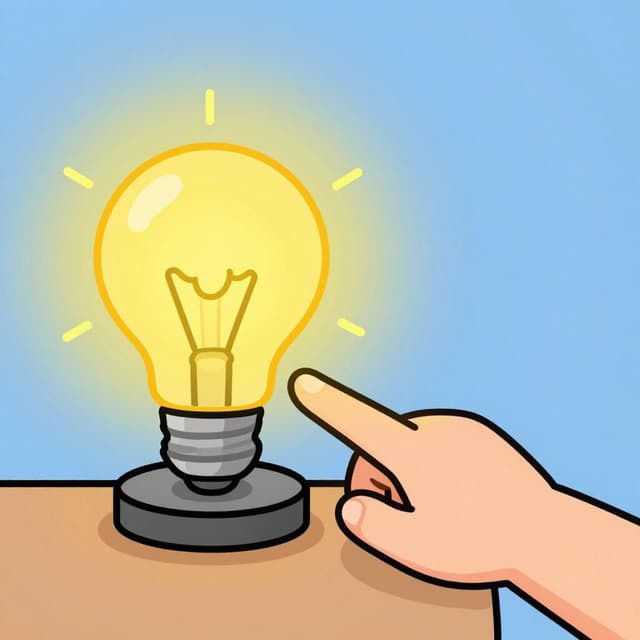
prender — to turn on
Use 'prendía' for ongoing or habitual past actions, like 'I used to turn on'.
Formy prender Czas przeszły niedokonany
Kiedy używać Czas przeszły niedokonany
The imperfect tense describes actions that were happening continuously in the past, or actions that used to happen regularly. Think of background descriptions or habits. For example, 'When I was little, I used to turn on the TV every afternoon' or 'The lights were turning on automatically'.
Uwagi dotyczące prender w czasie Czas przeszły niedokonany
Prender is regular in the imperfect tense. The endings -ía, -ías, -ía, -íamos, -íais, -ían are added to the infinitive stem.
Przykładowe zdania
Yo prendía la radio todas las mañanas.
I used to turn on the radio every morning.
yo
Tú prendías el fuego con cuidado.
You used to light the fire carefully.
tú
Cuando llegaba a casa, él prendía la luz del salón.
When he arrived home, he would turn on the living room light.
él/ella/usted
Ellos prendían velas para la cena romántica.
They used to light candles for the romantic dinner.
ellos/ellas/ustedes
Częste błędy
Błąd: Using the preterite for habitual past actions: 'Ayer prendí la tele por la mañana'.
Poprawnie: For habitual actions, use the imperfect: 'Ayer prendía la tele por la mañana' (if it was a habit on that specific 'yesterday'). Or more generally, 'Yo prendía la tele por la mañana'.
Dlaczego: The preterite is for completed actions, while the imperfect is for ongoing or repeated actions in the past.
Błąd: Confusing 'prendía' (yo) with 'prendía' (él/ella/usted).
Poprawnie: The forms are identical. Use context or add pronouns ('Yo prendía...' vs. 'Él prendía...') to clarify.
Dlaczego: Many imperfect forms are identical across different persons (yo, él/ella/usted), requiring context or explicit pronouns.
Opanuj hiszpańskie czasowniki w kontekście
Zapamiętywanie tabel to dopiero początek. Przeczytaj ponad 200 ilustrowanych i udźwiękowionych hiszpańskich historii, aby zobaczyć czasowniki takie jak 'prender' używane naturalnie — w czasach, których się uczysz.
Powiązane czasy
Czas teraźniejszy
yo: prendo
Use 'prendo', 'prendes', 'prende' for actions happening now or habitually, like 'I turn on the TV'.
Czas przeszły prosty
yo: prendí
Use 'prendí', 'prendiste', 'prendió' for completed actions like 'I turned on the light'.
Czas przyszły
yo: prenderé
Use 'prenderé', 'prenderás' for actions that will happen, like 'I will turn on'.
Tryb warunkowy
yo: prendería
Use 'prendería' for hypothetical situations, like 'I would turn on'.
Tryb Subj. teraźniejszy
yo: prenda
Use 'prenda' for wishes, doubts, or emotions, like 'I hope you turn on'.
Tryb Subj. przeszły niedokonany
yo: prendiera
Use 'prendiera' or 'prendiera' for past hypotheticals or wishes, like 'if I turned on'.
Tryb rozkazujący (twierdzący)
yo: prende
Use 'prende' for tú, 'prendan' for ustedes to command someone to turn something on.
Tryb rozkazujący (przeczący)
yo: no prendas
Use 'no prendas' for tú, 'no prendan' for ustedes to forbid someone from turning something on.