Koniugacja prender Czas przeszły prosty
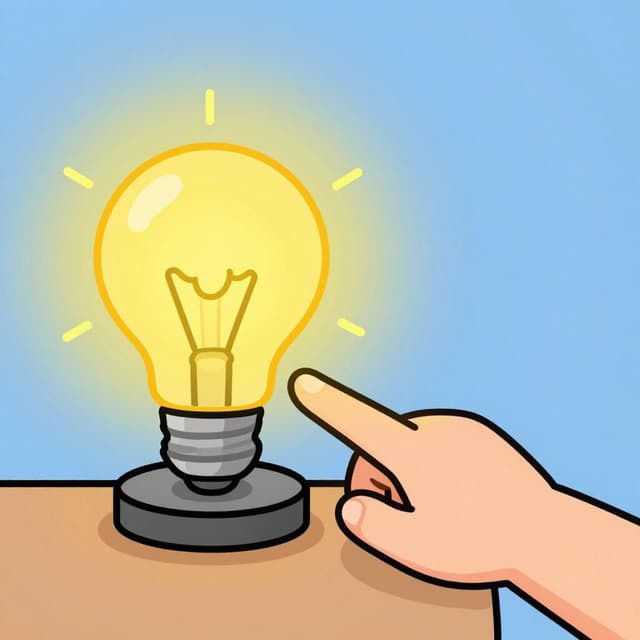
prender — to turn on
Use 'prendí', 'prendiste', 'prendió' for completed actions like 'I turned on the light'.
Formy prender Czas przeszły prosty
Kiedy używać Czas przeszły prosty
The preterite tense is for actions in the past that have a clear beginning and end. If you turned on a device at a specific moment and that action is finished, use the preterite. For example, 'Yesterday, I turned on the radio' or 'She turned on the computer this morning'.
Uwagi dotyczące prender w czasie Czas przeszły prosty
Prender is regular in the preterite. All the endings are standard for -er verbs: -í, -iste, -ió, -imos, -isteis, -ieron.
Przykładowe zdania
Anoche, prendí la chimenea.
Last night, I turned on the fireplace.
yo
¿Prendiste el horno para la cena?
Did you turn on the oven for dinner?
tú
Él prendió las luces del jardín.
He turned on the garden lights.
él/ella/usted
Ellos prendieron la alarma a las siete.
They turned on the alarm at seven.
ellos/ellas/ustedes
Częste błędy
Błąd: Using the imperfect instead of preterite for a single, completed action: 'Yo prendía la luz cada mañana'.
Poprawnie: If it was a specific instance, use the preterite: 'Yo prendí la luz esta mañana'.
Dlaczego: The imperfect describes ongoing or habitual past actions, while the preterite describes finished ones.
Błąd: Forgetting the accent on the 'yo' form: 'Yo prendi'.
Poprawnie: The 'yo' form needs an accent: 'Yo prendí'.
Dlaczego: The accent on the 'í' distinguishes the preterite 'yo' form and indicates the stress on the final syllable.
Opanuj hiszpańskie czasowniki w kontekście
Zapamiętywanie tabel to dopiero początek. Przeczytaj ponad 200 ilustrowanych i udźwiękowionych hiszpańskich historii, aby zobaczyć czasowniki takie jak 'prender' używane naturalnie — w czasach, których się uczysz.
Powiązane czasy
Czas teraźniejszy
yo: prendo
Use 'prendo', 'prendes', 'prende' for actions happening now or habitually, like 'I turn on the TV'.
Czas przeszły niedokonany
yo: prendía
Use 'prendía' for ongoing or habitual past actions, like 'I used to turn on'.
Czas przyszły
yo: prenderé
Use 'prenderé', 'prenderás' for actions that will happen, like 'I will turn on'.
Tryb warunkowy
yo: prendería
Use 'prendería' for hypothetical situations, like 'I would turn on'.
Tryb Subj. teraźniejszy
yo: prenda
Use 'prenda' for wishes, doubts, or emotions, like 'I hope you turn on'.
Tryb Subj. przeszły niedokonany
yo: prendiera
Use 'prendiera' or 'prendiera' for past hypotheticals or wishes, like 'if I turned on'.
Tryb rozkazujący (twierdzący)
yo: prende
Use 'prende' for tú, 'prendan' for ustedes to command someone to turn something on.
Tryb rozkazujący (przeczący)
yo: no prendas
Use 'no prendas' for tú, 'no prendan' for ustedes to forbid someone from turning something on.