Koniugacja czasowników hiszpańskich
rastrosKoniugacja
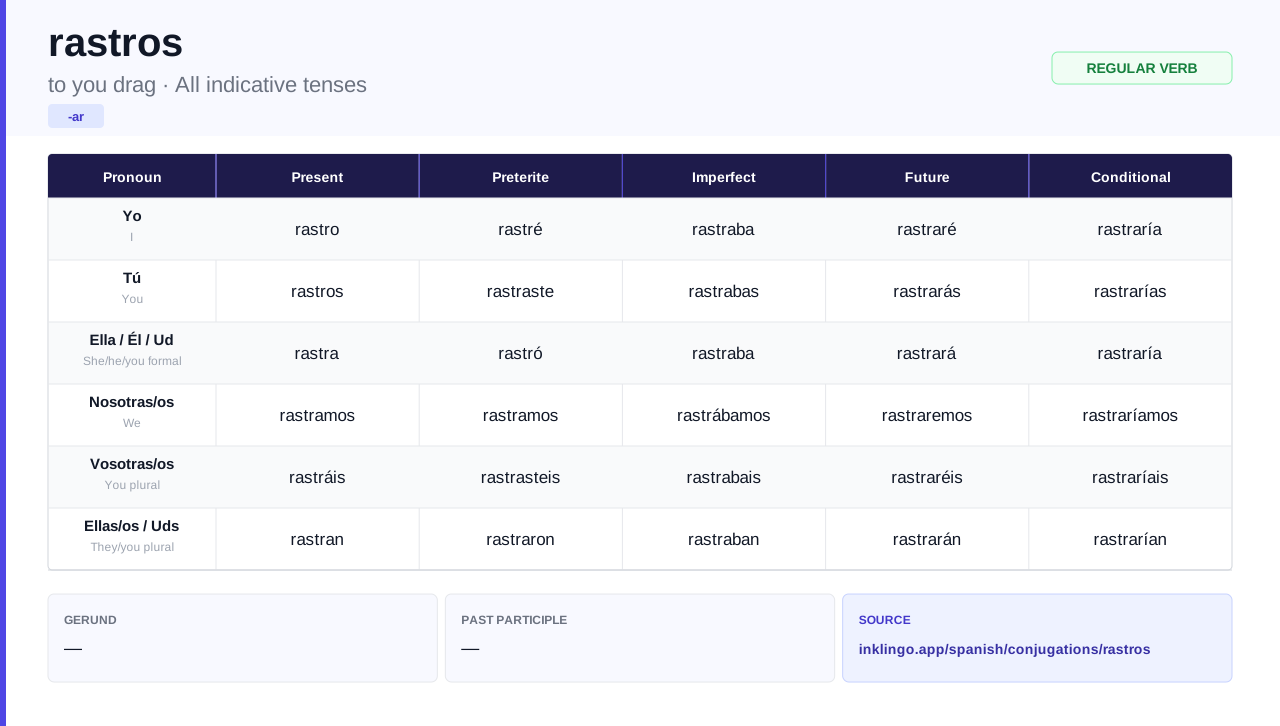
rastros oznacza ciągniesz.
regular-ar9 czasów52 formy
Zobacz poniżej:
Kompletne tabele koniugacji
Odniesienie do wszystkich czasów i trybów
Indicative
Present
yorastro
túrastros
él/ella/ustedrastra
nosotrosrastramos
vosotrosrastráis
ellos/ellas/ustedesrastran
Future
yorastraré
túrastrarás
él/ella/ustedrastrará
nosotrosrastraremos
vosotrosrastraréis
ellos/ellas/ustedesrastrarán
Imperfect
yorastraba
túrastrabas
él/ella/ustedrastraba
nosotrosrastrábamos
vosotrosrastrabais
ellos/ellas/ustedesrastraban
Conditional
yorastraría
túrastrarías
él/ella/ustedrastraría
nosotrosrastraríamos
vosotrosrastraríais
ellos/ellas/ustedesrastrarían
Preterite
yorastré
túrastraste
él/ella/ustedrastró
nosotrosrastramos
vosotrosrastrasteis
ellos/ellas/ustedesrastraron
Imperative
Negative Imperative
túno rastres
ustedno rastre
nosotrosno rastremos
vosotrosno rastréis
ustedesno rastren
Imperative
túrastra
ustedrastre
nosotrosrastremos
vosotrosrastrad
ustedesrastren
Subjunctive
Present Subjunctive
yorastre
túrastres
él/ella/ustedrastre
nosotrosrastremos
vosotrosrastréis
ellos/ellas/ustedesrastren
Imperfect Subjunctive
yorastrara/rastrase
túrastraras/rastrases
él/ella/ustedrastrara/rastrase
nosotrosrastráramos/rastrásemos
vosotrosrastrarais/rastraseis
ellos/ellas/ustedesrastraran/rastrasen
Ćwicz koniugacje
Sprawdź swoją wiedzę za pomocą interaktywnych ćwiczeń
Przenieś rastros z tabel do prawdziwego hiszpańskiego
Tabele koniugacji to dopiero początek. Przeczytaj ponad 200 ilustrowanych i udźwiękowionych hiszpańskich historii, aby zobaczyć 'rastros' w akcji w prawdziwych zdaniach — i zbuduj instynkt, jaki mają rodzimi użytkownicy języka.
Często zadawane pytania
Co oznacza rastros po hiszpańsku?
rastros oznacza „ciągniesz”.
Czy rastros to czasownik regularny czy nieregularny?
rastros to czasownik regular -ar w języku hiszpańskim.
Jak koniuguje się rastros w czasie teraźniejszym?
Czas teraźniejszy rastros to: yo rastro, tú rastros, él/ella/usted rastra, nosotros rastramos, vosotros rastráis, ellos/ellas/ustedes rastran.
Jak koniuguje się rastros w czasie przeszłym dokonanym (preterite)?
Czas przeszły dokonany rastros to: yo rastré, tú rastraste, él/ella/usted rastró, nosotros rastramos, vosotros rastrasteis, ellos/ellas/ustedes rastraron.
Darmowy materiał referencyjny do wydruku
rastros ściągawka koniugacyjna