rebotarKoniugacja
rebotar oznacza odbijać się.
Kompletne tabele koniugacji
Odniesienie do wszystkich czasów i trybów
Subjunctive
Imperfect Subjunctive
Hypothetical past bounces: rebotara, rebotaras, rebotase, rebotáramos, rebotarais, rebotaran.
Present Subjunctive
Wishes/doubts about bouncing: rebote, rebotes, rebotemos, rebotéis, reboten.
Imperative
Negative Imperative
Don't bounce: no rebotes, no rebote, no rebotemos, no rebotéis, no reboten.
Imperative
Rebota, rebote, rebotemos, rebotad, reboten are the commands for 'to bounce'.
Indicative
Conditional
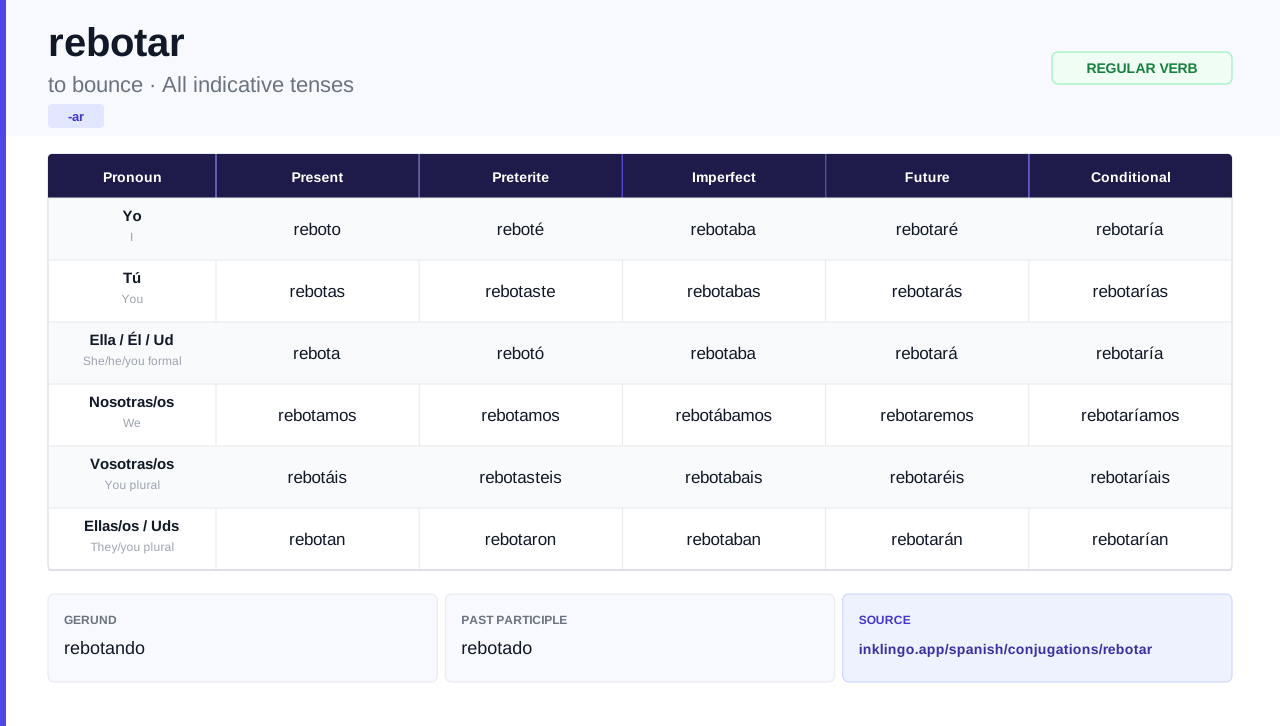
Hypothetical bounces: rebotaría, rebotarías, rebotaría, rebotaríamos, rebotaríais, rebotarían.
Preterite
Completed bounces: reboté, rebotaste, rebotó, rebotamos, rebotasteis, rebotaron.
Imperfect
Past ongoing/habitual bounces: rebotaba, rebotabas, rebotábamos, rebotabais, rebotaban.
Present
Current or habitual bounces: reboto, rebotas, rebota, rebotamos, rebotáis, rebotan.
Future
Future bounces: rebotaré, rebotarás, rebotará, rebotaremos, rebotaréis, rebotarán.
Ćwicz koniugacje
Sprawdź swoją wiedzę za pomocą interaktywnych ćwiczeń
Przenieś rebotar z tabel do prawdziwego hiszpańskiego
Tabele koniugacji to dopiero początek. Przeczytaj ponad 200 ilustrowanych i udźwiękowionych hiszpańskich historii, aby zobaczyć 'rebotar' w akcji w prawdziwych zdaniach — i zbuduj instynkt, jaki mają rodzimi użytkownicy języka.
Często zadawane pytania
Co oznacza rebotar po hiszpańsku?
rebotar oznacza „odbijać się”.
Czy rebotar to czasownik regularny czy nieregularny?
rebotar to czasownik regular -ar w języku hiszpańskim.
Jak koniuguje się rebotar w czasie teraźniejszym?
Czas teraźniejszy rebotar to: yo reboto, tú rebotas, él/ella/usted rebota, nosotros rebotamos, vosotros rebotáis, ellos/ellas/ustedes rebotan.
Jak koniuguje się rebotar w czasie przeszłym dokonanym (preterite)?
Czas przeszły dokonany rebotar to: yo reboté, tú rebotaste, él/ella/usted rebotó, nosotros rebotamos, vosotros rebotasteis, ellos/ellas/ustedes rebotaron.
rebotar ściągawka koniugacyjna