reprocharKoniugacja
reprochar oznacza naganać.
Kompletne tabele koniugacji
Odniesienie do wszystkich czasów i trybów
Subjunctive
Imperfect Subjunctive
The imperfect subjunctive of reprochar has two forms: reprochara/reprochase (yo/él/ella/usted) and reprocharan/reprochasen (ellos/ellas/ustedes).
Present Subjunctive
The present subjunctive of reprochar is: reproche (yo/él/ella/usted), reproches (tú), reprochemos (nosotros), reprochéis (vosotros), reprochen (ellos/ellas/ustedes).
Imperative
Negative Imperative
Negative commands for reprochar use the present subjunctive: no reproches (tú), no reproche (usted), no reprochemos (nosotros), no reprochéis (vosotros), no reprochen (ustedes).
Imperative
Commands in the imperative for reprochar are: reprocha (tú), reproche (usted), reprochemos (nosotros), reprochad (vosotros), reprochen (ustedes).
Indicative
Conditional
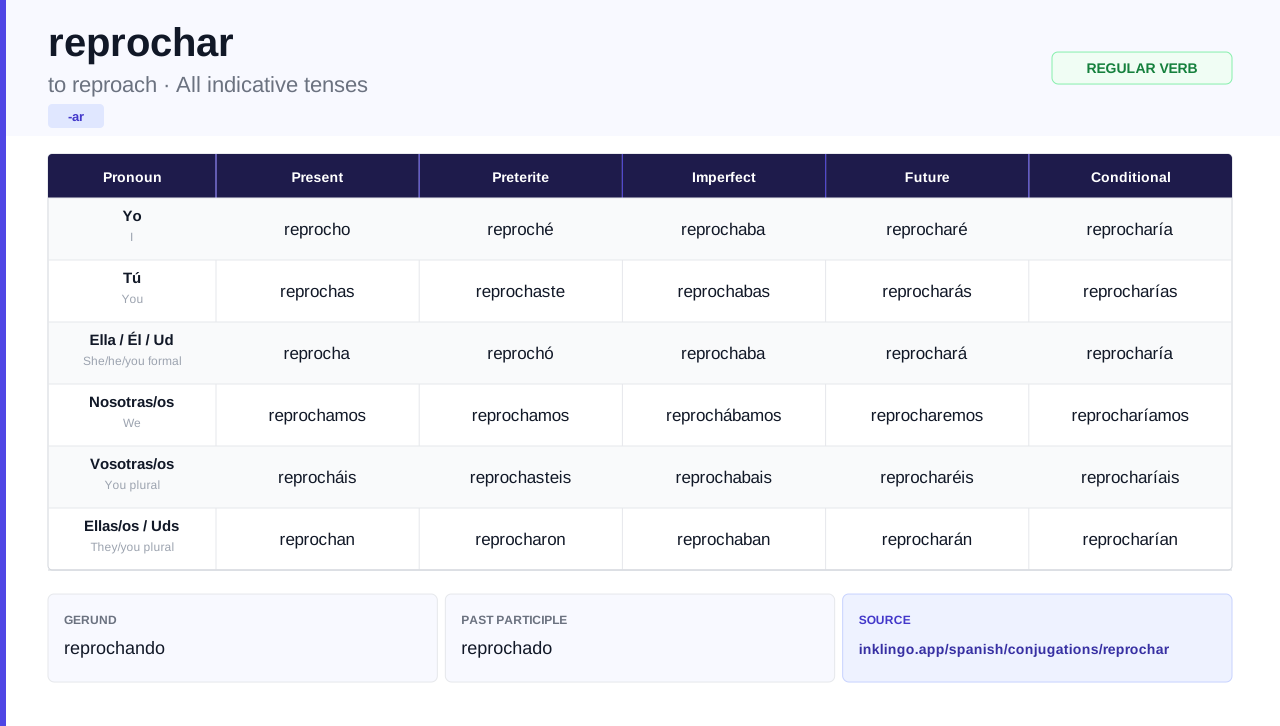
The conditional of reprochar is regular: reprocharía, reprocharías, reprocharía, reprocharíamos, reprocharíais, reprocharían.
Preterite
The preterite of reprochar is regular: reproché, reprochaste, reprochó, reprochamos, reprochasteis, reprocharon.
Imperfect
The imperfect of reprochar is regular: reprochaba, reprochabas, reprochaba, reprochábamos, reprochabais, reprochaban.
Present
The present indicative of reprochar is regular: reprocho, reprochas, reprocha, reprochamos, reprocháis, reprochan.
Future
The future of reprochar is regular: reprocharé, reprocharás, reprochará, reprocharemos, reprocharéis, reprocharán.
Ćwicz koniugacje
Sprawdź swoją wiedzę za pomocą interaktywnych ćwiczeń
Przenieś reprochar z tabel do prawdziwego hiszpańskiego
Tabele koniugacji to dopiero początek. Przeczytaj ponad 200 ilustrowanych i udźwiękowionych hiszpańskich historii, aby zobaczyć 'reprochar' w akcji w prawdziwych zdaniach — i zbuduj instynkt, jaki mają rodzimi użytkownicy języka.
Często zadawane pytania
Co oznacza reprochar po hiszpańsku?
reprochar oznacza „naganać”.
Czy reprochar to czasownik regularny czy nieregularny?
reprochar to czasownik regular -ar w języku hiszpańskim.
Jak koniuguje się reprochar w czasie teraźniejszym?
Czas teraźniejszy reprochar to: yo reprocho, tú reprochas, él/ella/usted reprocha, nosotros reprochamos, vosotros reprocháis, ellos/ellas/ustedes reprochan.
Jak koniuguje się reprochar w czasie przeszłym dokonanym (preterite)?
Czas przeszły dokonany reprochar to: yo reproché, tú reprochaste, él/ella/usted reprochó, nosotros reprochamos, vosotros reprochasteis, ellos/ellas/ustedes reprocharon.
reprochar ściągawka koniugacyjna