Koniugacja saludar Czas przeszły niedokonany
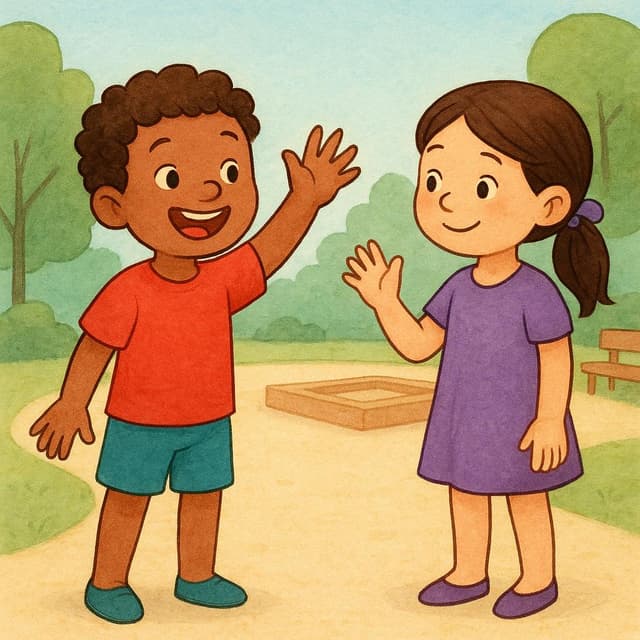
saludar — to greet
The imperfect of saludar follows the standard -aba pattern: saludaba, saludabas, saludaba, saludábamos, saludabais, saludaban.
Formy saludar Czas przeszły niedokonany
Kiedy używać Czas przeszły niedokonany
Use the imperfect to describe a habit of greeting someone in the past, or to set the scene (e.g., 'I was greeting the guests when the phone rang').
Uwagi dotyczące saludar w czasie Czas przeszły niedokonany
Saludar is regular in the imperfect. Remember the accent only on the 'nosotros' form: saludábamos.
Przykładowe zdania
De niño, siempre saludaba a los carteros.
As a child, I always used to greet the mailmen.
yo
Nosotros saludábamos a todos los que pasaban.
We used to greet everyone who passed by.
nosotros
Tú siempre saludabas con mucha energía.
You always used to greet people with a lot of energy.
tú
Częste błędy
Błąd: Using the preterite for a repeated childhood habit.
Poprawnie: Use 'saludaba' instead of 'saludé' for ongoing past habits.
Dlaczego: Learners often use the preterite for all past actions, but habits require the imperfect.
Opanuj hiszpańskie czasowniki w kontekście
Zapamiętywanie tabel to dopiero początek. Przeczytaj ponad 200 ilustrowanych i udźwiękowionych hiszpańskich historii, aby zobaczyć czasowniki takie jak 'saludar' używane naturalnie — w czasach, których się uczysz.
Powiązane czasy
Czas teraźniejszy
yo: saludo
The present tense of saludar is regular: saludo, saludas, saluda, saludamos, saludáis, saludan.
Czas przeszły prosty
yo: saludé
Saludar in the preterite is regular: saludé, saludaste, saludó, saludamos, saludasteis, saludaron.
Czas przyszły
yo: saludaré
The future of saludar uses the infinitive plus endings: saludaré, saludarás, saludará, saludaremos, saludaréis, saludarán.
Tryb warunkowy
yo: saludaría
The conditional of saludar is regular: saludaría, saludarías, saludaría, saludaríamos, saludaríais, saludarían.
Tryb Subj. teraźniejszy
yo: salude
The present subjunctive of saludar swaps the -ar endings for -e: salude, saludes, salude, saludemos, saludéis, saluden.
Tryb Subj. przeszły niedokonany
yo: saludara
The imperfect subjunctive of saludar is formed from the 'ellos' preterite: saludara, saludaras, saludara, saludáramos, saludarais, saludaran.
Tryb rozkazujący (twierdzący)
yo: saluda
The imperative of saludar gives commands: saluda (tú), salude (usted), saludemos (nosotros), saludad (vosotros), saluden (ustedes).
Tryb rozkazujący (przeczący)
yo: no saludes
The negative imperative of saludar uses 'no' + present subjunctive: no saludes, no salude, no saludemos, no saludéis, no saluden.