Koniugacja saludar Tryb rozkazujący (przeczący)
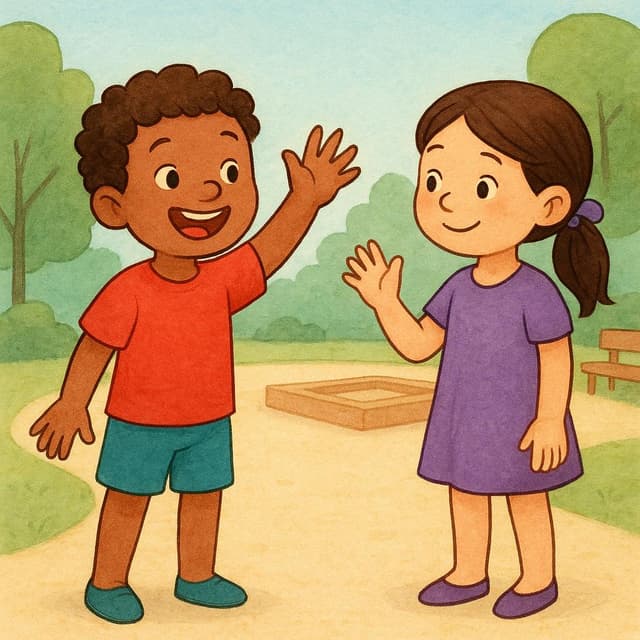
saludar — to greet
The negative imperative of saludar uses 'no' + present subjunctive: no saludes, no salude, no saludemos, no saludéis, no saluden.
Formy saludar Tryb rozkazujący (przeczący)
Kiedy używać Tryb rozkazujący (przeczący)
Use this to tell someone NOT to greet someone, perhaps because they are busy or because of a disagreement.
Uwagi dotyczące saludar w czasie Tryb rozkazujący (przeczący)
Saludar is regular. All negative commands for -ar verbs use the -e based subjunctive endings.
Przykładowe zdania
No saludes a ese hombre, es muy grosero.
Don't greet that man; he is very rude.
tú
No saluden si están cansados.
Don't greet (anyone) if you are tired.
ustedes
No saludemos todavía, esperemos un poco.
Let's not greet (them) yet; let's wait a bit.
nosotros
Częste błędy
Błąd: Using 'no saluda' for a negative command.
Poprawnie: Use 'no saludes' for the tú command.
Dlaczego: Negative commands must use the subjunctive forms, not the indicative.
Opanuj hiszpańskie czasowniki w kontekście
Zapamiętywanie tabel to dopiero początek. Przeczytaj ponad 200 ilustrowanych i udźwiękowionych hiszpańskich historii, aby zobaczyć czasowniki takie jak 'saludar' używane naturalnie — w czasach, których się uczysz.
Powiązane czasy
Czas teraźniejszy
yo: saludo
The present tense of saludar is regular: saludo, saludas, saluda, saludamos, saludáis, saludan.
Czas przeszły prosty
yo: saludé
Saludar in the preterite is regular: saludé, saludaste, saludó, saludamos, saludasteis, saludaron.
Czas przeszły niedokonany
yo: saludaba
The imperfect of saludar follows the standard -aba pattern: saludaba, saludabas, saludaba, saludábamos, saludabais, saludaban.
Czas przyszły
yo: saludaré
The future of saludar uses the infinitive plus endings: saludaré, saludarás, saludará, saludaremos, saludaréis, saludarán.
Tryb warunkowy
yo: saludaría
The conditional of saludar is regular: saludaría, saludarías, saludaría, saludaríamos, saludaríais, saludarían.
Tryb Subj. teraźniejszy
yo: salude
The present subjunctive of saludar swaps the -ar endings for -e: salude, saludes, salude, saludemos, saludéis, saluden.
Tryb Subj. przeszły niedokonany
yo: saludara
The imperfect subjunctive of saludar is formed from the 'ellos' preterite: saludara, saludaras, saludara, saludáramos, saludarais, saludaran.
Tryb rozkazujący (twierdzący)
yo: saluda
The imperative of saludar gives commands: saluda (tú), salude (usted), saludemos (nosotros), saludad (vosotros), saluden (ustedes).