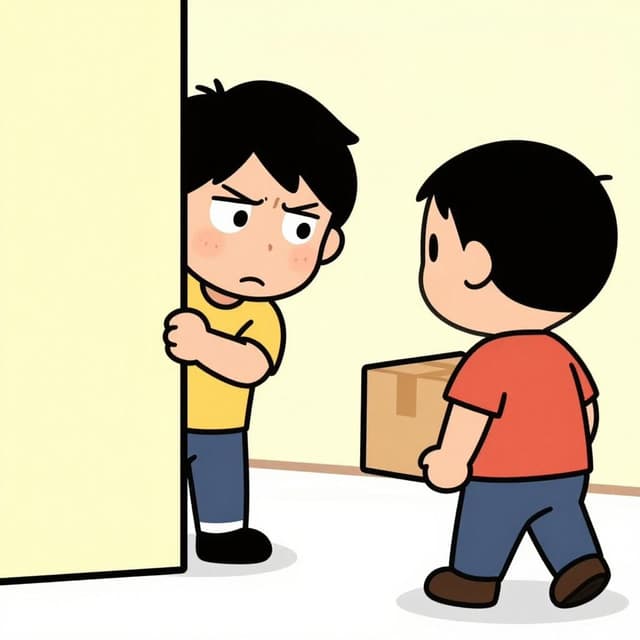
Koniugacja sospechar Czas przyszły
sospechar — to suspect
The future of sospechar is regular: sospecharé, sospecharás, sospechará, sospecharemos, sospecharéis, sospecharán.
Formy sospechar Czas przyszły
Kiedy używać Czas przyszły
Use the future tense to predict that someone will be under suspicion or to express probability about a current suspicion (e.g., 'He probably suspects something').
Uwagi dotyczące sospechar w czasie Czas przyszły
Sospechar is completely regular in the future. Just add the standard future endings to the infinitive.
Przykładowe zdania
Si no llegas a tiempo, ellos sospecharán de ti.
If you don't arrive on time, they will suspect you.
ellos/ellas/ustedes
Sospecharé de cualquiera que entre sin permiso.
I will suspect anyone who enters without permission.
yo
¿Sospecharás de mí si te miento?
Will you suspect me if I lie to you?
tú
Częste błędy
Błąd: sospechare
Poprawnie: sospecharé
Dlaczego: Without the accent, it can be confused with the rarely used future subjunctive.
Opanuj hiszpańskie czasowniki w kontekście
Zapamiętywanie tabel to dopiero początek. Przeczytaj ponad 200 ilustrowanych i udźwiękowionych hiszpańskich historii, aby zobaczyć czasowniki takie jak 'sospechar' używane naturalnie — w czasach, których się uczysz.
Powiązane czasy
Czas teraźniejszy
yo: sospecho
Sospechar is regular in the present: sospecho, sospechas, sospecha, sospechamos, sospecháis, sospechan.
Czas przeszły prosty
yo: sospeché
Sospechar is regular in the preterite: sospeché, sospechaste, sospechó, sospechamos, sospechasteis, sospecharon.
Czas przeszły niedokonany
yo: sospechaba
Sospechar is regular in the imperfect: sospechaba, sospechabas, sospechaba, sospechábamos, sospechabais, sospechaban.
Tryb warunkowy
yo: sospecharía
The conditional of sospechar is regular: sospecharía, sospecharías, sospecharía, sospecharíamos, sospecharíais, sospecharían.
Tryb Subj. teraźniejszy
yo: sospeche
The present subjunctive of sospechar uses the 'e' endings: sospeche, sospeches, sospeche, sospechemos, sospechéis, sospechen.
Tryb Subj. przeszły niedokonany
yo: sospechara
The imperfect subjunctive of sospechar is formed from the 'ellos' preterite: sospechara, sospecharas, sospechara, sospecháramos, sospecharais, sospecharan.
Tryb rozkazujący (twierdzący)
yo: sospecha
The imperative of sospechar follows standard -ar rules: sospecha (tú), sospeche (usted), sospechad (vosotros).
Tryb rozkazujący (przeczący)
yo: no sospeches
The negative imperative of sospechar uses the present subjunctive: no sospeches, no sospeche, no sospechemos, no sospechéis, no sospechen.