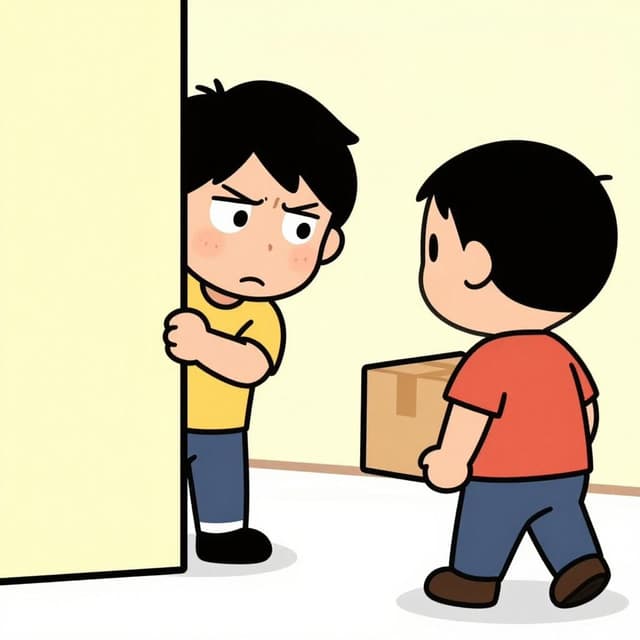
Koniugacja sospechar Tryb rozkazujący (twierdzący)
sospechar — to suspect
The imperative of sospechar follows standard -ar rules: sospecha (tú), sospeche (usted), sospechad (vosotros).
Formy sospechar Tryb rozkazujący (twierdzący)
Kiedy używać Tryb rozkazujący (twierdzący)
Use the imperative to tell someone to be suspicious or to maintain a level of mistrust in a specific situation (often used in mystery or warning contexts).
Uwagi dotyczące sospechar w czasie Tryb rozkazujący (twierdzący)
Sospechar is regular in the imperative. The tú form matches the present indicative third person.
Przykładowe zdania
¡Sospecha de todo el mundo hasta que termine el juego!
Suspect everyone until the game ends!
tú
Sospechemos de los resultados antes de celebrarlos.
Let's suspect the results before celebrating them.
nosotros
Sospechad del hombre de la gabardina.
Suspect the man in the trench coat.
vosotros
Częste błędy
Błąd: sospecha (for 'usted')
Poprawnie: sospeche
Dlaczego: The formal imperative (usted) must use the subjunctive ending 'e'.
Opanuj hiszpańskie czasowniki w kontekście
Zapamiętywanie tabel to dopiero początek. Przeczytaj ponad 200 ilustrowanych i udźwiękowionych hiszpańskich historii, aby zobaczyć czasowniki takie jak 'sospechar' używane naturalnie — w czasach, których się uczysz.
Powiązane czasy
Czas teraźniejszy
yo: sospecho
Sospechar is regular in the present: sospecho, sospechas, sospecha, sospechamos, sospecháis, sospechan.
Czas przeszły prosty
yo: sospeché
Sospechar is regular in the preterite: sospeché, sospechaste, sospechó, sospechamos, sospechasteis, sospecharon.
Czas przeszły niedokonany
yo: sospechaba
Sospechar is regular in the imperfect: sospechaba, sospechabas, sospechaba, sospechábamos, sospechabais, sospechaban.
Czas przyszły
yo: sospecharé
The future of sospechar is regular: sospecharé, sospecharás, sospechará, sospecharemos, sospecharéis, sospecharán.
Tryb warunkowy
yo: sospecharía
The conditional of sospechar is regular: sospecharía, sospecharías, sospecharía, sospecharíamos, sospecharíais, sospecharían.
Tryb Subj. teraźniejszy
yo: sospeche
The present subjunctive of sospechar uses the 'e' endings: sospeche, sospeches, sospeche, sospechemos, sospechéis, sospechen.
Tryb Subj. przeszły niedokonany
yo: sospechara
The imperfect subjunctive of sospechar is formed from the 'ellos' preterite: sospechara, sospecharas, sospechara, sospecháramos, sospecharais, sospecharan.
Tryb rozkazujący (przeczący)
yo: no sospeches
The negative imperative of sospechar uses the present subjunctive: no sospeches, no sospeche, no sospechemos, no sospechéis, no sospechen.