Koniugacja sospechar Czas teraźniejszy
sospechar — to suspect
Sospechar is regular in the present: sospecho, sospechas, sospecha, sospechamos, sospecháis, sospechan.
Formy sospechar Czas teraźniejszy
Kiedy używać Czas teraźniejszy
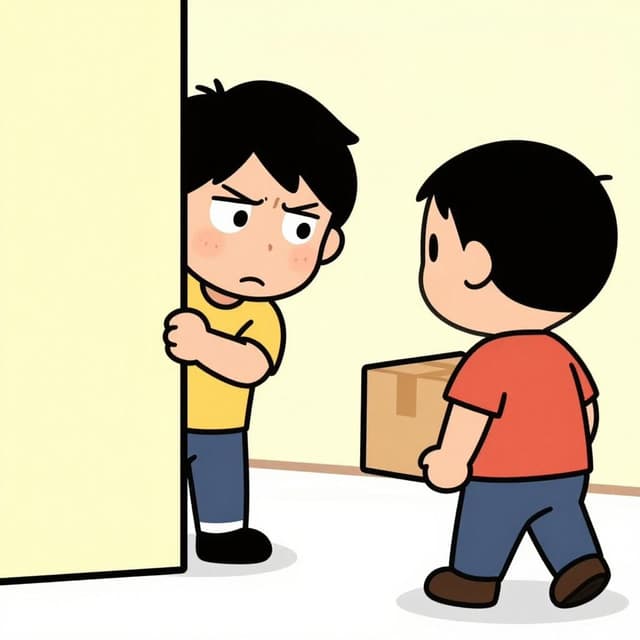
Use the present tense to express a current hunch or a general feeling of mistrust. It is perfect for describing a gut feeling you have right now about a situation or person.
Uwagi dotyczące sospechar w czasie Czas teraźniejszy
Sospechar is a completely regular -ar verb in the present tense; no stem changes or irregular endings occur.
Przykładowe zdania
Yo sospecho que ella nos está ocultando algo.
I suspect that she is hiding something from us.
yo
¿Tú sospechas de alguien en la oficina?
Do you suspect anyone in the office?
tú
Ellos sospechan que el examen será difícil.
They suspect that the exam will be difficult.
ellos/ellas/ustedes
Częste błędy
Błąd: Using 'sospecho de que' instead of 'sospecho que'.
Poprawnie: sospecho que
Dlaczego: In Spanish, the verb 'sospechar' usually takes 'que' directly when followed by a clause, avoiding 'dequeísmo'.
Opanuj hiszpańskie czasowniki w kontekście
Zapamiętywanie tabel to dopiero początek. Przeczytaj ponad 200 ilustrowanych i udźwiękowionych hiszpańskich historii, aby zobaczyć czasowniki takie jak 'sospechar' używane naturalnie — w czasach, których się uczysz.
Powiązane czasy
Czas przeszły prosty
yo: sospeché
Sospechar is regular in the preterite: sospeché, sospechaste, sospechó, sospechamos, sospechasteis, sospecharon.
Czas przeszły niedokonany
yo: sospechaba
Sospechar is regular in the imperfect: sospechaba, sospechabas, sospechaba, sospechábamos, sospechabais, sospechaban.
Czas przyszły
yo: sospecharé
The future of sospechar is regular: sospecharé, sospecharás, sospechará, sospecharemos, sospecharéis, sospecharán.
Tryb warunkowy
yo: sospecharía
The conditional of sospechar is regular: sospecharía, sospecharías, sospecharía, sospecharíamos, sospecharíais, sospecharían.
Tryb Subj. teraźniejszy
yo: sospeche
The present subjunctive of sospechar uses the 'e' endings: sospeche, sospeches, sospeche, sospechemos, sospechéis, sospechen.
Tryb Subj. przeszły niedokonany
yo: sospechara
The imperfect subjunctive of sospechar is formed from the 'ellos' preterite: sospechara, sospecharas, sospechara, sospecháramos, sospecharais, sospecharan.
Tryb rozkazujący (twierdzący)
yo: sospecha
The imperative of sospechar follows standard -ar rules: sospecha (tú), sospeche (usted), sospechad (vosotros).
Tryb rozkazujący (przeczący)
yo: no sospeches
The negative imperative of sospechar uses the present subjunctive: no sospeches, no sospeche, no sospechemos, no sospechéis, no sospechen.