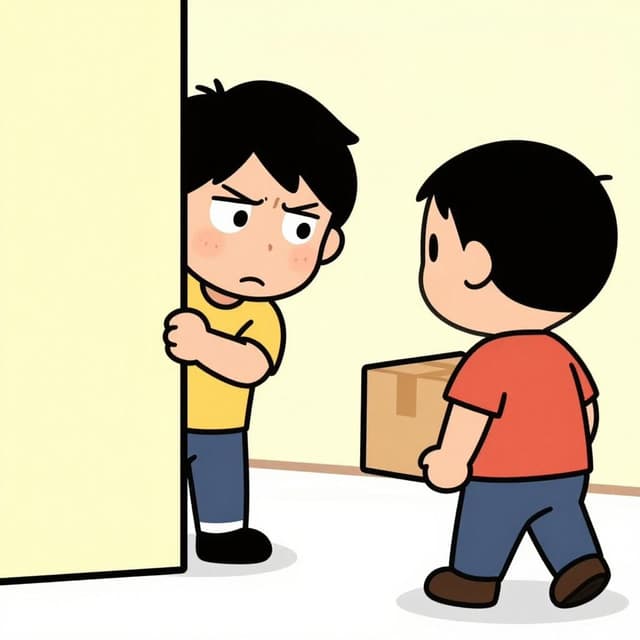
Koniugacja sospechar Tryb Subj. teraźniejszy
sospechar — to suspect
The present subjunctive of sospechar uses the 'e' endings: sospeche, sospeches, sospeche, sospechemos, sospechéis, sospechen.
Formy sospechar Tryb Subj. teraźniejszy
Kiedy używać Tryb Subj. teraźniejszy
Use this mood when expressing doubt, denial, or emotion about someone suspecting something, or after phrases like 'es posible que'.
Uwagi dotyczące sospechar w czasie Tryb Subj. teraźniejszy
Sospechar is regular in the subjunctive; it follows the standard pattern of switching to 'e' for -ar verbs.
Przykładowe zdania
No quiero que ella sospeche nada de la fiesta sorpresa.
I don't want her to suspect anything about the surprise party.
él/ella/usted
Es probable que ellos sospechen de nosotros.
It is probable that they suspect us.
ellos/ellas/ustedes
Dudo que tú sospeches la verdad.
I doubt that you suspect the truth.
tú
Częste błędy
Błąd: sospecha (in a subjunctive context)
Poprawnie: sospeche
Dlaczego: Learners often use the indicative when they should use the subjunctive after 'que' and verbs of wanting or doubt.
Opanuj hiszpańskie czasowniki w kontekście
Zapamiętywanie tabel to dopiero początek. Przeczytaj ponad 200 ilustrowanych i udźwiękowionych hiszpańskich historii, aby zobaczyć czasowniki takie jak 'sospechar' używane naturalnie — w czasach, których się uczysz.
Powiązane czasy
Czas teraźniejszy
yo: sospecho
Sospechar is regular in the present: sospecho, sospechas, sospecha, sospechamos, sospecháis, sospechan.
Czas przeszły prosty
yo: sospeché
Sospechar is regular in the preterite: sospeché, sospechaste, sospechó, sospechamos, sospechasteis, sospecharon.
Czas przeszły niedokonany
yo: sospechaba
Sospechar is regular in the imperfect: sospechaba, sospechabas, sospechaba, sospechábamos, sospechabais, sospechaban.
Czas przyszły
yo: sospecharé
The future of sospechar is regular: sospecharé, sospecharás, sospechará, sospecharemos, sospecharéis, sospecharán.
Tryb warunkowy
yo: sospecharía
The conditional of sospechar is regular: sospecharía, sospecharías, sospecharía, sospecharíamos, sospecharíais, sospecharían.
Tryb Subj. przeszły niedokonany
yo: sospechara
The imperfect subjunctive of sospechar is formed from the 'ellos' preterite: sospechara, sospecharas, sospechara, sospecháramos, sospecharais, sospecharan.
Tryb rozkazujący (twierdzący)
yo: sospecha
The imperative of sospechar follows standard -ar rules: sospecha (tú), sospeche (usted), sospechad (vosotros).
Tryb rozkazujący (przeczący)
yo: no sospeches
The negative imperative of sospechar uses the present subjunctive: no sospeches, no sospeche, no sospechemos, no sospechéis, no sospechen.