Koniugacja czasowników hiszpańskich
tenerlaKoniugacja
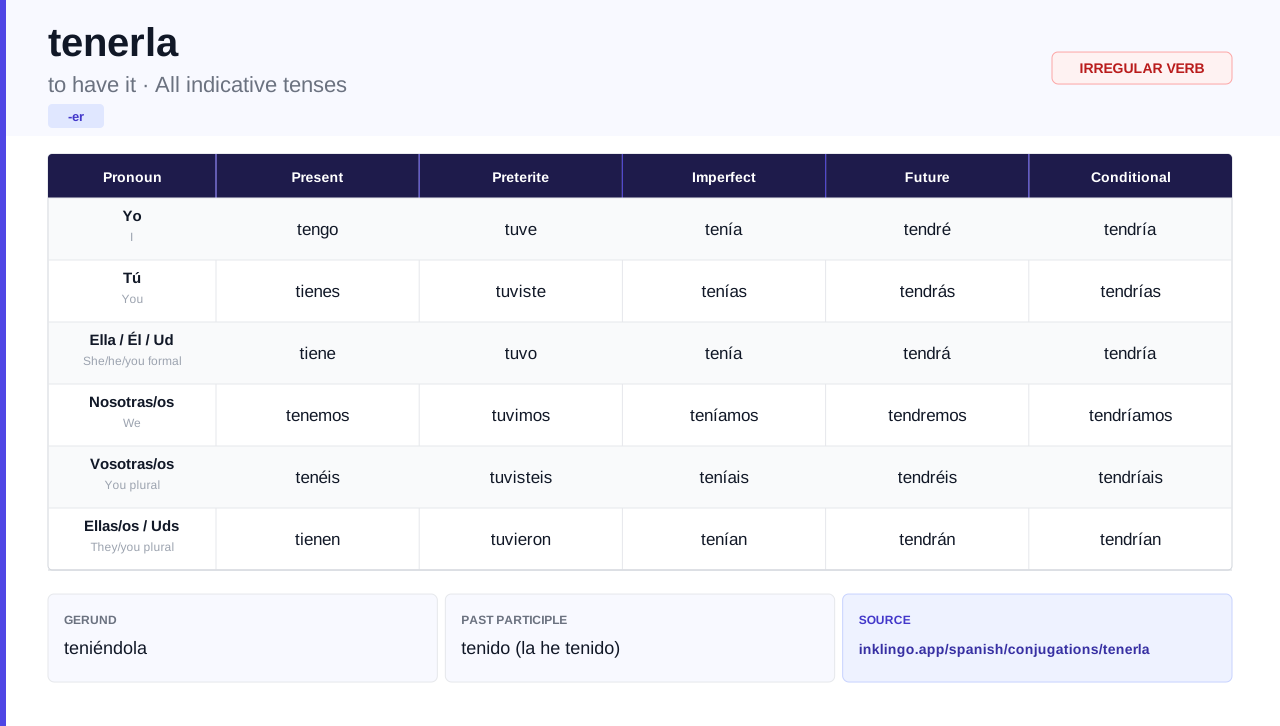
tenerla oznacza mieć to.
irregular-er9 czasów52 formy
Zobacz poniżej:
Kompletne tabele koniugacji
Odniesienie do wszystkich czasów i trybów
Indicative
Present
yotengo
tútienes
él/ella/ustedtiene
nosotrostenemos
vosotrostenéis
ellos/ellas/ustedestienen
Future
yotendré
tútendrás
él/ella/ustedtendrá
nosotrostendremos
vosotrostendréis
ellos/ellas/ustedestendrán
Imperfect
yotenía
tútenías
él/ella/ustedtenía
nosotrosteníamos
vosotrosteníais
ellos/ellas/ustedestenían
Conditional
yotendría
tútendrías
él/ella/ustedtendría
nosotrostendríamos
vosotrostendríais
ellos/ellas/ustedestendrían
Preterite
yotuve
tútuviste
él/ella/ustedtuvo
nosotrostuvimos
vosotrostuvisteis
ellos/ellas/ustedestuvieron
Imperative
Negative Imperative
túno la tengas
ustedno la tenga
nosotrosno la tengamos
vosotrosno la tengáis
ustedesno la tengan
Imperative
tútenla
ustedténgala
nosotrostengámosla
vosotrostenedla
ustedesténganla
Subjunctive
Present Subjunctive
yotenga
tútengas
él/ella/ustedtenga
nosotrostengamos
vosotrostengáis
ellos/ellas/ustedestengan
Imperfect Subjunctive
yotuviera
tútuvieras
él/ella/ustedtuviera
nosotrostuviéramos
vosotrostuvierais
ellos/ellas/ustedestuvieran
Ćwicz koniugacje
Sprawdź swoją wiedzę za pomocą interaktywnych ćwiczeń
Przenieś tenerla z tabel do prawdziwego hiszpańskiego
Tabele koniugacji to dopiero początek. Przeczytaj ponad 200 ilustrowanych i udźwiękowionych hiszpańskich historii, aby zobaczyć 'tenerla' w akcji w prawdziwych zdaniach — i zbuduj instynkt, jaki mają rodzimi użytkownicy języka.
Często zadawane pytania
Co oznacza tenerla po hiszpańsku?
tenerla oznacza „mieć to”.
Czy tenerla to czasownik regularny czy nieregularny?
tenerla to czasownik irregular -er w języku hiszpańskim.
Jak koniuguje się tenerla w czasie teraźniejszym?
Czas teraźniejszy tenerla to: yo tengo, tú tienes, él/ella/usted tiene, nosotros tenemos, vosotros tenéis, ellos/ellas/ustedes tienen.
Jak koniuguje się tenerla w czasie przeszłym dokonanym (preterite)?
Czas przeszły dokonany tenerla to: yo tuve, tú tuviste, él/ella/usted tuvo, nosotros tuvimos, vosotros tuvisteis, ellos/ellas/ustedes tuvieron.
Darmowy materiał referencyjny do wydruku
tenerla ściągawka koniugacyjna