
Conditional vs Future of Probability
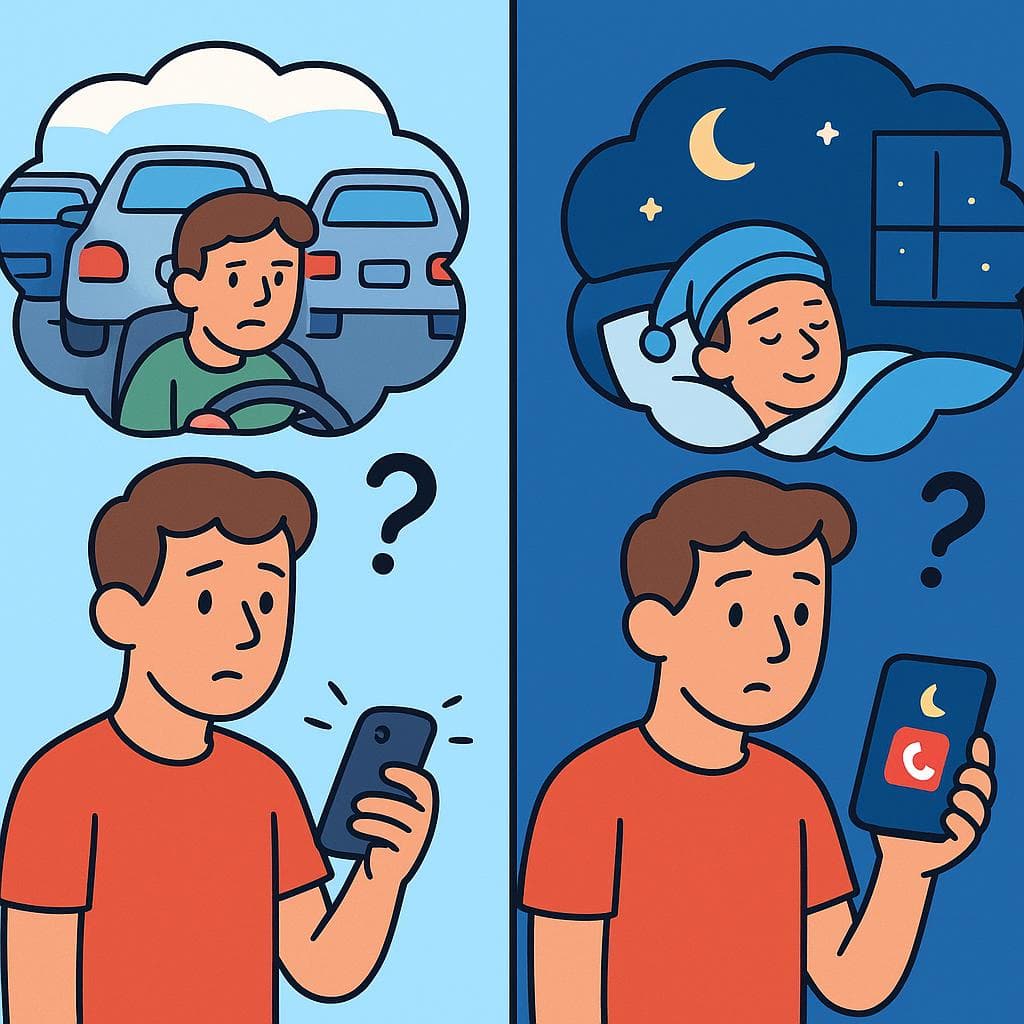
Conditional = guessing about the PAST. Future = guessing about the PRESENT.
conditional
The conditional tense is used to talk about what 'would' happen or to speculate about things in the past.
kohn-dee-syoh-NAHLfuture of probability
The future tense is used to talk about what 'will' happen or to speculate about things in the present.
foo-TOO-rohQuick Rule
Conditional = guessing about the PAST. Future = guessing about the PRESENT.
Think: Future guesses about NOW. Conditional guesses about THEN.
- The conditional is also used for hypothetical 'would' situations (Si pudiera, lo haría).
- The future tense is also used for definite future plans (Mañana iré al cine).
Comparison Table
| Context | conditional | future of probability | Why? |
|---|---|---|---|
| Guessing someone's location | ¿Dónde estaría anoche? | ¿Dónde estará ahora? | Conditional speculates about the past (last night). Future speculates about the present (right now). |
| Guessing someone's age | En 2010, tendría 15 años. | Ahora tendrá 25 años. | Conditional guesses about an age in the past. Future guesses about their current age. |
| Wondering why someone is tired | Estaría cansado porque trabajó mucho ayer. | Estará cansado porque no durmió bien anoche. | Conditional explains a past state. Future explains a current state (you see they are tired now). |
| Estimating a time | Serían las dos cuando me llamó. | Ya serán las dos. | Conditional estimates a time in the past. Future estimates the current time. |
When to Use "conditional / future of probability"
conditional
The conditional tense is used to talk about what 'would' happen or to speculate about things in the past.
kohn-dee-syoh-NAHL
Speculating about the past ('probably was', 'I wonder what...')
¿Dónde estaría Marta ayer? Estaría enferma.
I wonder where Marta was yesterday? She was probably sick.
Hypothetical situations ('would')
Yo viajaría más si tuviera tiempo.
I would travel more if I had time.
Giving advice ('you should')
Yo que tú, hablaría con él.
If I were you, I would talk to him.
Polite requests
¿Podrías pasarme la sal?
Could you pass me the salt?
future of probability
The future tense is used to talk about what 'will' happen or to speculate about things in the present.
foo-TOO-roh deh proh-bah-bee-lee-DAHD
Speculating about the present ('probably is', 'I wonder...')
¿Dónde está Marta? Estará en su oficina.
Where is Marta? She's probably in her office.
Talking about the future ('will')
Mañana lloverá.
It will rain tomorrow.
Making a guess about the current time or situation
No sé qué hora es. Serán las cinco.
I don't know what time it is. It's probably five o'clock.
Making a firm promise or command
No matarás.
Thou shalt not kill.
Contrast Examples
With "conditional":
No contestó la llamada. Estaría ocupado.
He didn't answer the call. He was probably busy.
With "future of probability":
No contesta la llamada. Estará ocupado.
He isn't answering the call. He's probably busy.
The Difference: The conditional speculates about a past event (he *didn't answer*). The future speculates about a present, ongoing event (he *isn't answering*).
With "conditional":
Se fue temprano de la fiesta. ¿Estaría aburrido?
He left the party early. I wonder if he was bored?
With "future of probability":
Tiene mala cara. ¿Estará aburrido?
He has a long face. I wonder if he's bored?
The Difference: Use the conditional to guess about a past feeling that caused a past action. Use the future to guess about a current feeling based on a current observation.
With "conditional":
Habría unas cien personas en el concierto de ayer.
There were probably about a hundred people at yesterday's concert.
With "future of probability":
Habrá unas cien personas en la plaza ahora mismo.
There are probably about a hundred people in the square right now.
The Difference: Conditional ('habría') guesses about a quantity in the past. Future ('habrá') guesses about a quantity in the present.
Common Mistakes
¿Dónde estaría mi teléfono? No lo encuentro.
¿Dónde estará mi teléfono? No lo encuentro.
You are wondering where your phone is *right now*. For guesses about the present, use the future tense.
No vino a la fiesta. Estará enfermo.
No vino a la fiesta. Estaría enfermo.
The party was in the past. To speculate about why he didn't come, you need to guess about the past, so use the conditional.
Si yo tendría dinero, compraría un coche.
Si yo tuviera dinero, compraría un coche.
A common mistake! In hypothetical 'if' clauses, the condition uses the subjunctive (tuviera), not the conditional. The result uses the conditional (compraría).
Quick Practice
Quick Quiz: Conditional vs Future of Probability
Question 1 of 3
Choose the correct verb to complete the sentence: 'I can't find my keys. They ___ probably on the table.'
Related Grammar
Want to understand the grammar behind this pair? Explore these lessons for a deep dive:
Key Words
Tags
Build the instinct, not just the rule
Rules help you get it right; context makes it automatic. Read 200+ illustrated and narrated Spanish stories to see confusing pairs chosen correctly — over and over — until you stop thinking about it.
Frequently Asked Questions
Can I use 'probablemente' with these tenses?
Yes, you can, but it's often redundant. 'Estará en casa' and 'Probablemente está en casa' mean almost the same thing. Using the future tense for probability is a more natural and common way to express this idea in spoken Spanish.
Is this the only way to express 'would' in Spanish?
The conditional tense is the main way to say 'would'. However, for past habits, like 'When I was a kid, I would go to the park', you use the imperfect tense: 'Cuando era niño, iba al parque'. The conditional is for hypothetical 'woulds', not habitual ones.
Why is it called the 'future of probability' if it's about the present?
It's a great question! It's because we're using the future tense verb endings (like -ás, -á, -emos) to talk about a present situation. Think of it as projecting a guess from the present into a 'future' of certainty. It's just a name for using one tense's structure for a different purpose.