
Haber vs Tener
Haber for existence ('there is/are') or as a helper verb. Tener for possession.
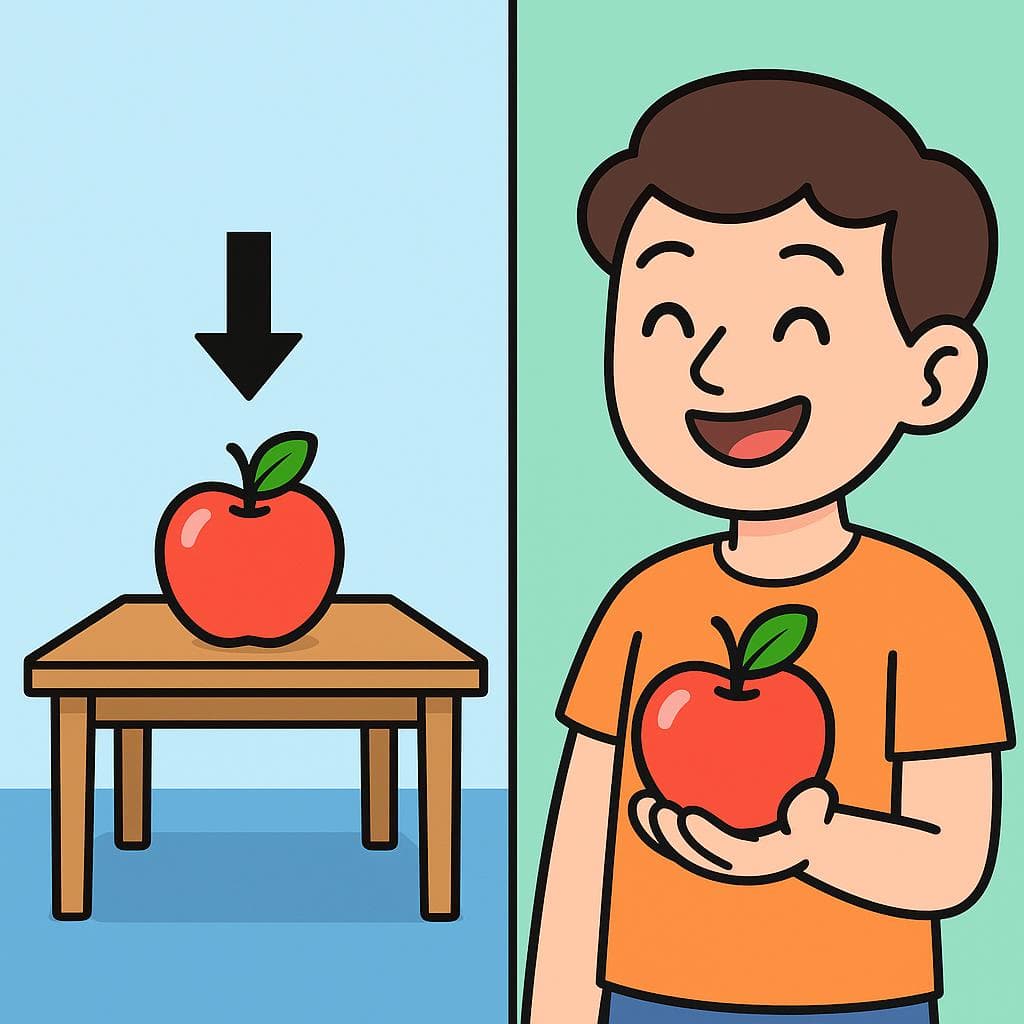
haber
To be (for existence, as in 'there is/are'); auxiliary/helper verb for perfect tenses ('to have done something')
ah-BEHRtener
To have (possession, ownership, characteristics); to feel/experience certain states
teh-NEHRQuick Rule
Haber for existence ('there is/are') or as a helper verb. Tener for possession.
Haber is for what's *there* (like in 'hay'). Tener is for what's *yours*.
- The phrase 'tener que + verb' means 'to have to do something', which is about obligation, not possession.
- Age is expressed with tener: 'Tengo 30 años' (I am 30 years old).
- Many physical states use tener: 'tengo hambre' (I'm hungry), 'tengo frío' (I'm cold).
Comparison Table
| Context | haber | tener | Why? |
|---|---|---|---|
| Talking about items in a room | Hay una silla. | Tengo una silla. | Haber (hay) states that a chair exists. Tener states that I possess a chair. |
| Expressing Obligation | He de llamar a mi madre. | Tengo que llamar a mi madre. | 'Tener que' is the common way to say 'have to'. 'Haber de' is a much more formal or literary alternative. |
| Main Verb vs. Helper Verb | He visto esa película. | Tengo la película en casa. | Haber is a 'helper' for the main verb 'visto' (seen). Tener is the main verb, showing I possess the movie. |
When to Use "haber / tener"
haber
To be (for existence, as in 'there is/are'); auxiliary/helper verb for perfect tenses ('to have done something')
ah-BEHR
To express existence (using 'hay')
Hay dos personas en la sala.
There are two people in the room.
As a helper verb in perfect tenses
Ya he comido.
I have already eaten.
Formal obligation ('haber de')
He de terminar el proyecto.
I must finish the project.
tener
To have (possession, ownership, characteristics); to feel/experience certain states
teh-NEHR
To express possession or ownership
Tengo un perro.
I have a dog.
To express obligation (using 'tener que')
Tengo que ir al trabajo.
I have to go to work.
To express age
Mi hermana tiene veinte años.
My sister is twenty years old.
To express physical sensations
¿Tienes frío?
Are you cold?
Contrast Examples
With "haber":
Hay un libro en la mesa.
There is a book on the table.
With "tener":
Tengo un libro en la mesa.
I have a book on the table.
The Difference: Haber is impersonal; it just points out the book's existence. Tener is personal; it connects the book to a specific owner (me).
With "haber":
Nunca he tenido mucho dinero.
I have never had much money. (in my life)
With "tener":
Ahora no tengo mucho dinero.
I don't have much money right now.
The Difference: This shows them working together! 'He tenido' is the present perfect tense, using haber as a helper for the verb tener. 'Tengo' is the simple present tense, showing possession now.
Common Mistakes
¿Tiene un supermercado cerca?
¿Hay un supermercado cerca?
To ask about the existence of something ('Is there...?'), always use 'hay' from the verb haber.
Tengo viajado a España.
He viajado a España.
When forming perfect tenses ('I have traveled'), the helper verb is always haber, not tener.
Soy 25 años.
Tengo 25 años.
In Spanish, you 'have' years, you don't 'are' years. Always use tener for age.
Quick Practice
Quick Quiz: Haber vs Tener
Question 1 of 3
Which word correctly fills the blank? '___ una farmacia en esta calle?'
Related Grammar
Want to understand the grammar behind this pair? Explore these lessons for a deep dive:
Key Words



Tags
Build the instinct, not just the rule
Rules help you get it right; context makes it automatic. Read 200+ illustrated and narrated Spanish stories to see confusing pairs chosen correctly — over and over — until you stop thinking about it.
Frequently Asked Questions
Why does English use 'have' for both ideas but Spanish doesn't?
It's a quirk of English! Many languages separate these concepts. Think of 'haber' as being about what's available in the world ('there is') and 'tener' as what's available to you personally ('I have').
I heard 'hay que' and 'tener que'. What's the difference?
Great question! 'Tener que' is personal: 'Yo tengo que ir' (I have to go). 'Hay que' is impersonal, like a general rule: 'Hay que comprar un boleto' (One must buy a ticket / A ticket must be bought).
Can I ever use 'tener' as a helper verb?
Almost never for tenses like 'I have eaten'. The one rare case you might see is 'Tengo entendido que...', which means 'It's my understanding that...'. But for 99.9% of situations, if you need a helper verb for a past action, it's going to be haber.