alzar Imperfect Subjunctive Conjugation
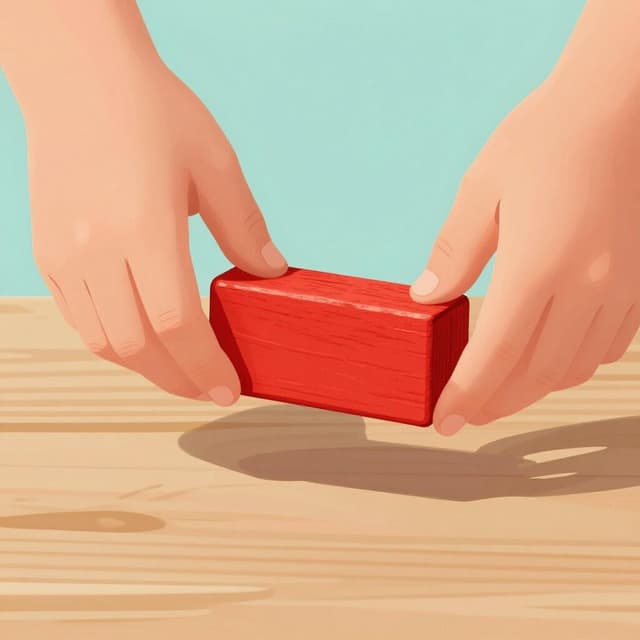
alzar — to lift
The imperfect subjunctive is regular based on the preterite stem: alzara, alzaras, alzara, alzáramos, alzarais, alzaran.
alzar Imperfect Subjunctive Forms
When to Use the Imperfect Subjunctive
Use this for hypothetical situations or past requests, such as 'si alzara la mano' (if he raised his hand) or 'quería que alzaras el peso' (I wanted you to lift the weight).
Notes on alzar in the Imperfect Subjunctive
This tense is regular. Unlike the present subjunctive, the 'z' remains because it is followed by the letter 'a'.
Example Sentences
Si yo alzara ese mueble solo, me lastimaría la espalda.
If I lifted that furniture alone, I would hurt my back.
yo
Me pidió que alzara la vista del libro.
He asked me to look up (raise my sight) from the book.
él/ella/usted
Si alzaras pesas, estarías más fuerte.
If you lifted weights, you would be stronger.
tú
Common Mistakes
Mistake: Forgetting the accent on the 'nosotros' form.
Correct: alzáramos
Why: All 'nosotros' forms in the imperfect subjunctive require an accent on the third-to-last syllable.
Master Spanish verbs in context
Memorizing tables only gets you so far. Read 200+ illustrated and narrated Spanish stories to see verbs like 'alzar' used naturally — in the tenses you're learning.
Related Tenses
Present
yo: alzo
The present tense of alzar is fully regular: alzo, alzas, alza, alzamos, alzáis, alzan.
Preterite
yo: alcé
The preterite of alzar is regular except for the 'yo' form spelling change: alcé, alzaste, alzó, alzamos, alzasteis, alzaron.
Imperfect
yo: alzaba
The imperfect of alzar is regular for -ar verbs: alzaba, alzabas, alzaba, alzábamos, alzabais, alzaban.
Future
yo: alzaré
The future tense of alzar is regular, using the infinitive as the stem: alzaré, alzarás, alzará, alzaremos, alzaréis, alzarán.
Conditional
yo: alzaría
The conditional of alzar is regular: alzaría, alzarías, alzaría, alzaríamos, alzaríais, alzarían.
Present Subjunctive
yo: alce
The present subjunctive of alzar features a Z to C spelling change: alce, alces, alce, alcemos, alcéis, alcen.
Affirmative Imperative
yo: alza
The imperative uses 'alza' for tú and 'alce' for usted, including the Z to C change for formal commands.
Negative Imperative
yo: no alces
Negative commands for alzar always use the present subjunctive forms: no alces, no alce, no alcemos, no alcéis, no alcen.