apilar Imperfect Subjunctive Conjugation
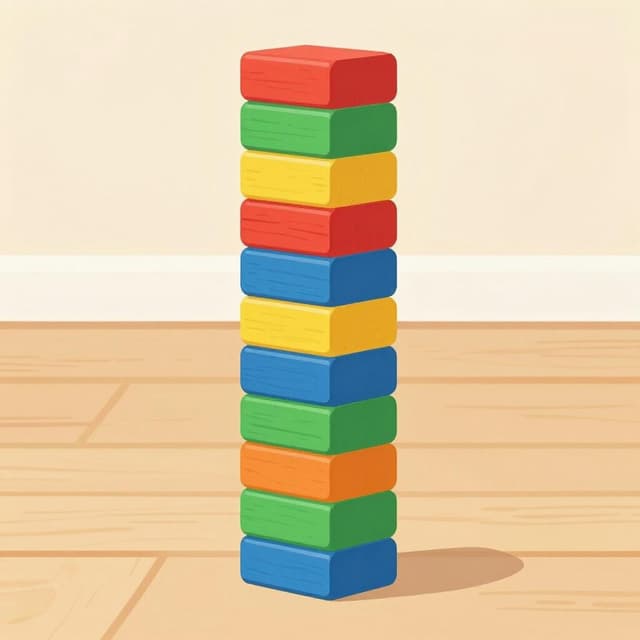
apilar — to stack
The imperfect subjunctive (-ra or -se form) is used for past hypotheticals, wishes, or polite requests, like 'si apilara' or 'si apilase'.
apilar Imperfect Subjunctive Forms
When to Use the Imperfect Subjunctive
This tense is perfect for talking about hypothetical situations in the past, expressing wishes that were unlikely, or making polite requests, often introduced by 'si' (if). For example, 'If I were to stack them...' or 'I wish I could stack them...'.
Notes on apilar in the Imperfect Subjunctive
Apilar is regular in the imperfect subjunctive. You can use either the -ra form (apilara, apilaras, etc.) or the -se form (apilase, apilases, etc.), with the -ra form being more common in many regions.
Example Sentences
Si apilaras los libros de esa manera, no se caerían.
If you stacked the books that way, they wouldn't fall.
tú
Me gustaría que apilara usted los documentos con cuidado.
I would like you to stack the documents carefully.
Ojalá no apilaran tanta ropa en esa cesta.
I wish they wouldn't stack so much clothing in that basket.
ellos/ellas/ustedes
Te habría ayudado si me pidieras que apilara las cajas.
I would have helped you if you had asked me to stack the boxes.
yo
Common Mistakes
Mistake: Using the preterite instead of the imperfect subjunctive: 'Si apilé los libros...'.
Correct: Use the imperfect subjunctive: 'Si apilara los libros...'.
Why: The imperfect subjunctive is used for hypothetical or unreal conditions in the past, whereas the preterite describes completed actions.
Mistake: Confusing the -ra and -se forms, or using an incorrect ending.
Correct: Remember the endings for -ra: apilara, apilaras, apilara, apilaramos, apilarais, apilaran. Or for -se: apilase, apilases, apilase, apilasemos, apilaseis, apilasen.
Why: These endings are specific to the imperfect subjunctive and need to be memorized.
Master Spanish verbs in context
Memorizing tables only gets you so far. Read 200+ illustrated and narrated Spanish stories to see verbs like 'apilar' used naturally — in the tenses you're learning.
Related Tenses
Present
yo: apilo
The present tense of apilar is regular: apilo, apilas, apila, apilamos, apiláis, apilan.
Preterite
yo: apilé
The preterite of apilar is regular: apilé, apilaste, apiló, apilamos, apilasteis, apilaron.
Imperfect
yo: apilaba
The imperfect of apilar is regular: apilaba, apilabas, apilaba, apilábamos, apilabais, apilaban.
Future
yo: apilaré
The future tense of apilar is regular: apilaré, apilarás, apilará, apilaremos, apilaréis, apilarán.
Conditional
yo: apilaría
The conditional of apilar is regular: apilaría, apilarías, apilaría, apilaríamos, apilaríais, apilarían.
Present Subjunctive
yo: apile
The present subjunctive is used after expressions of doubt, desire, emotion, or uncertainty, like 'Espero que apiles bien'.
Affirmative Imperative
yo: apila
Use 'apila' for tú commands, 'apile' for usted/ustedes, 'apilad' for vosotros, and 'apilemos' for nosotros.
Negative Imperative
yo: no apiles
Negative commands use 'no' plus the present subjunctive: 'no apiles' (tú), 'no apile' (usted/ustedes), 'no apiléis' (vosotros), 'no apilemos' (nosotros).