aproximar Imperfect Conjugation
aproximar — to move closer
Ongoing/habitual past actions with 'aproximar': aproximaba, aproximabas, aproximábamos, aproximaban, aproximabais.
aproximar Imperfect Forms
When to Use the Imperfect
Use the imperfect tense for ongoing actions in the past, habitual actions, or background descriptions involving moving closer. For example, 'He was approaching the house' or 'She always moved her chair closer'.
Notes on aproximar in the Imperfect
'Aproximar' is a regular -ar verb in the imperfect indicative. All conjugations follow the standard endings: -aba, -abas, -aba, -ábamos, -abais, -aban.
Example Sentences
Yo aproximaba la cámara al objeto para enfocar.
I was moving the camera closer to the object to focus.
yo
Tú te aproximabas al fuego porque tenías frío.
You were moving closer to the fire because you were cold.
tú
El tren aproximaba a la estación.
The train was approaching the station.
él/ella/usted
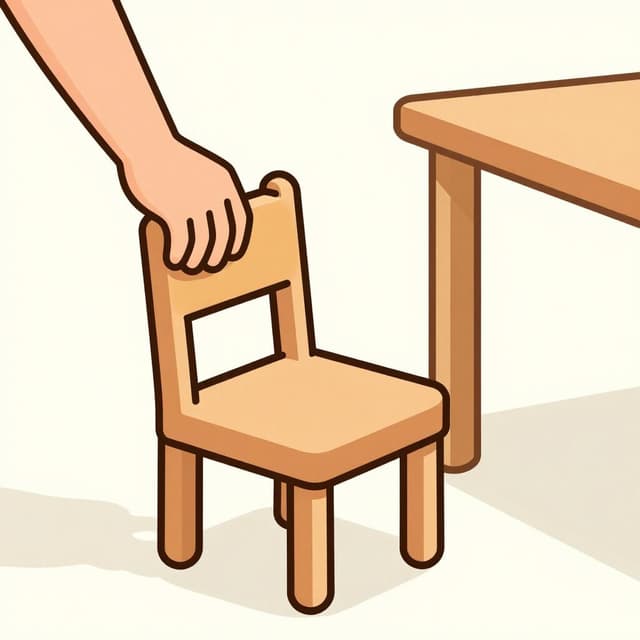
Nosotros aproximábamos las sillas a la mesa cada noche.
We used to move the chairs closer to the table every night.
nosotros
Ellos aproximaban sus tiendas al mercado.
They were moving their tents closer to the market.
ellos/ellas/ustedes
Common Mistakes
Mistake: Using the preterite instead of the imperfect for ongoing or habitual past actions.
Correct: For 'He was approaching the city' (ongoing action), use 'El aproximaba'. For 'He approached the city yesterday' (completed action), use 'Él aproximó'.
Why: The imperfect describes the scene or background, while the preterite marks a specific event.
Mistake: Confusing the 'yo' and 'él/ella/usted' forms.
Correct: Both are 'aproximaba', but context clarifies who is performing the action.
Why: This is a common feature of the imperfect tense for -ar verbs.
Master Spanish verbs in context
Memorizing tables only gets you so far. Read 200+ illustrated and narrated Spanish stories to see verbs like 'aproximar' used naturally — in the tenses you're learning.
Related Tenses
Present
yo: aproximo
Present tense for 'aproximar': aproximo, aproximas, aproxima, aproximamos, aproximan, aproximáis.
Preterite
yo: aproximé
Completed actions with 'aproximar': aproximé, aproximaste, aproximó, aproximamos, aproximaron, aproximasteis.
Future
yo: aproximaré
Future actions with 'aproximar': aproximaré, aproximarás, aproximará, aproximaremos, aproximarán, aproximaréis.
Conditional
yo: aproximaría
Hypothetical/polite 'would' with 'aproximar': aproximaría, aproximarías, aproximaría, aproximaríamos, aproximarían, aproximaríais.
Present Subjunctive
yo: aproxime
Present subjunctive for 'aproximar': aproxime, aproximes, aproximemos, aproximen, aproximéis.
Imperfect Subjunctive
yo: aproximara
Past subjunctive for 'aproximar' (imperfect): aproximara, aproximaras, aproximáramos, aproximaran, aproximarais.
Affirmative Imperative
yo: aproxima
Commands for 'aproximar': ¡aproxima! (tú), ¡aproxime! (usted), ¡aproximemos! (nosotros), ¡aproximad! (vosotros), ¡aproximen! (ustedes).
Negative Imperative
yo: no aproximes
Negative commands for 'aproximar' use the present subjunctive: no aproximemos, no aproximen, no aproximéis, no aproximes, no aproxime.