arañar Imperfect Conjugation
arañar — to scratch
Ongoing or habitual scratching in the past.
arañar Imperfect Forms
When to Use the Imperfect
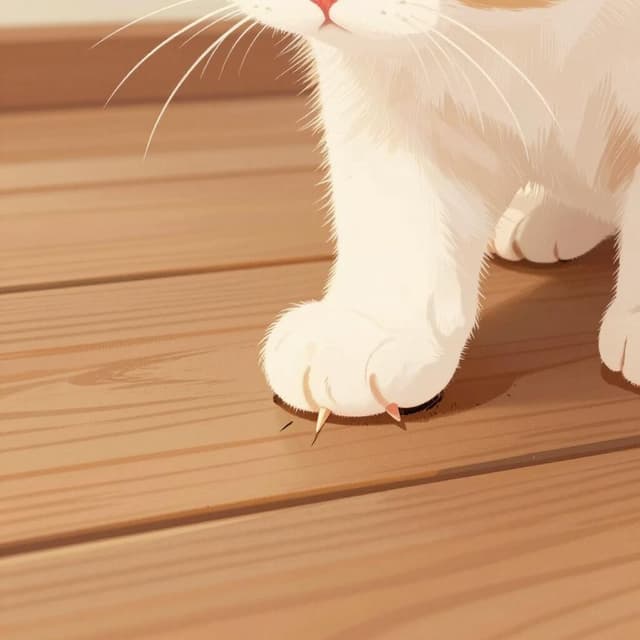
Use the imperfect tense to describe actions that were happening continuously in the past, or habitual actions that occurred regularly. For 'arañar', it sets the scene or describes repeated scratching, like a cat scratching itself often or scratching a door repeatedly.
Notes on arañar in the Imperfect
Arañar is regular in the imperfect tense. The stem remains 'arañ-' and the standard imperfect endings are used.
Example Sentences
El perro arañaba la puerta porque quería salir.
The dog was scratching the door because it wanted to go out.
él/ella/usted
Cuando era niño, arañaba mucho mis juguetes.
When I was a child, I used to scratch my toys a lot.
yo
¿Arañabais mucho de pequeños?
Did you guys scratch a lot when you were little?
vosotros
Ellos arañaban la mesa sin parar.
They were scratching the table non-stop.
ellos/ellas/ustedes
Common Mistakes
Mistake: Using the preterite for ongoing or habitual past actions.
Correct: For actions that were happening over a period or repeated, use the imperfect: 'arañaba', 'arañaban'.
Why: The imperfect describes the background or duration, while the preterite describes a completed event.
Mistake: Confusing the 'nosotros' form.
Correct: The correct imperfect form is 'arañábamos'.
Why: Remember the '-ábamos' ending for regular -ar verbs in the nosotros imperfect.
Master Spanish verbs in context
Memorizing tables only gets you so far. Read 200+ illustrated and narrated Spanish stories to see verbs like 'arañar' used naturally — in the tenses you're learning.
Related Tenses
Present
yo: araño
Scratching happening now, habitually, or generally.
Preterite
yo: arañé
Completed actions of scratching in the past.
Future
yo: arañaré
The future action of scratching.
Conditional
yo: arañaría
What would happen if one were to scratch.
Present Subjunctive
yo: arañe
Wishes, doubts, or emotions about scratching happening now or in the future.
Imperfect Subjunctive
yo: arañara
Hypothetical or past wishes/doubts about scratching.
Affirmative Imperative
yo: araña
Commands like 'scratch!' or 'let's scratch!' for arañar.
Negative Imperative
yo: no arañes
Negative commands for arañar, like 'don't scratch!'.