colar Present Conjugation
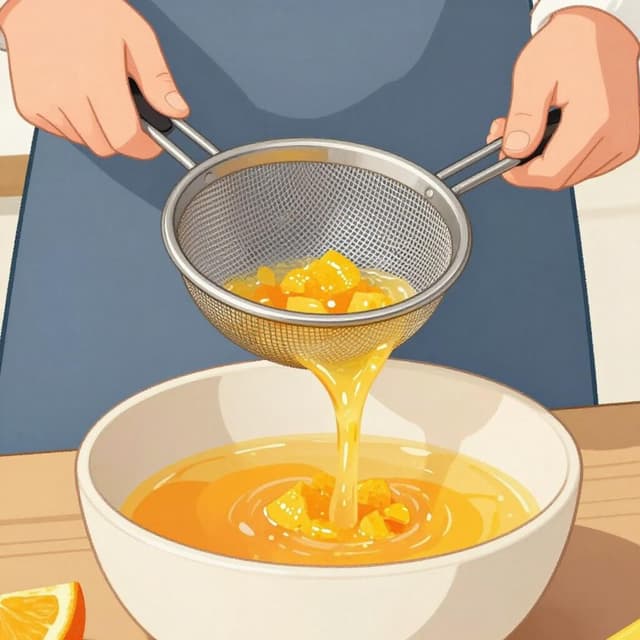
colar — to strain
Colar changes its stem from 'o' to 'ue' in the present tense, except for nosotros and vosotros.
colar Present Forms
When to Use the Present
Use the present tense to talk about straining liquids (like coffee or pasta) right now, or to describe someone 'sneaking' into a place or a conversation.
Notes on colar in the Present
This is a radical-changing verb (o > ue). The 'o' becomes 'ue' in all forms except nosotros (colamos) and vosotros (coláis).
Example Sentences
Yo siempre cuelo el café por la mañana.
I always strain the coffee in the morning.
yo
¿Por qué cuelas la pasta así?
Why are you straining the pasta like that?
tú
Ellos se cuelan en el cine sin pagar.
They sneak into the cinema without paying.
ellos/ellas/ustedes
Common Mistakes
Mistake: Saying 'colo' or 'colas'.
Correct: cuelo / cuelas
Why: Learners often forget the stem change (o to ue) which is required for this verb.
Master Spanish verbs in context
Memorizing tables only gets you so far. Read 200+ illustrated and narrated Spanish stories to see verbs like 'colar' used naturally — in the tenses you're learning.
Related Tenses
Preterite
yo: colé
Colar is completely regular in the preterite: colé, colaste, coló, colamos, colasteis, colaron.
Imperfect
yo: colaba
Colar is regular in the imperfect: colaba, colabas, colaba, colábamos, colabais, colaban.
Future
yo: colaré
The future of colar is regular: colaré, colarás, colará, colaremos, colaréis, colarán.
Conditional
yo: colaría
The conditional of colar is regular: colaría, colarías, colaría, colaríamos, colaríais, colarían.
Present Subjunctive
yo: cuele
The present subjunctive of colar follows the o > ue stem change: cuele, cueles, cuele, colemos, coléis, cuelen.
Imperfect Subjunctive
yo: colara
The imperfect subjunctive of colar is regular: colara, colaras, colara, coláramos, colarais, colaran.
Affirmative Imperative
yo: cuela
The imperative uses 'cuela' (tú) and 'cuele' (usted), following the stem change.
Negative Imperative
yo: no cueles
The negative imperative uses the present subjunctive forms: no cueles, no cuele, no colemos, no coléis, no cuelen.