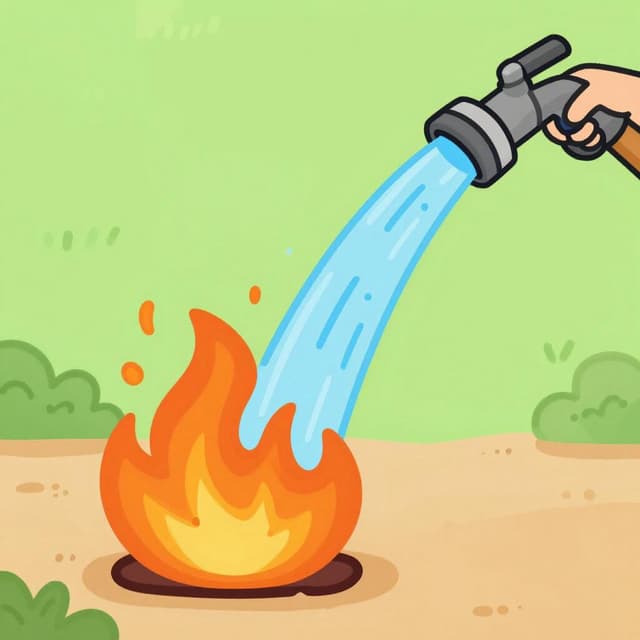
contrarrestar Negative Imperative Conjugation
contrarrestar — to counteract
Use 'no contrarrestes', 'no contrarreste', 'no contrarrestemos', 'no contrarresten', 'no contrarrestéis' for negative commands.
contrarrestar Negative Imperative Forms
When to Use the Negative Imperative
This is for when you absolutely do not want someone to do something. Instead of telling them *to* counteract something, you're telling them *not* to.
Notes on contrarrestar in the Negative Imperative
All negative commands in Spanish use the present subjunctive. So, 'contrarrestar' follows the regular present subjunctive pattern here.
Example Sentences
No contrarrestes sus esfuerzos; déjalos ser.
Don't counteract their efforts; let them be.
tú
No contrarreste la decisión del comité.
Do not counteract the committee's decision.
usted
No contrarrestemos la voluntad popular.
Let's not counteract the popular will.
nosotros
No contrarresten la evidencia.
Do not counteract the evidence.
ustedes
No contrarrestéis la autoridad.
Do not counteract the authority.
vosotros
Common Mistakes
Mistake: Using the affirmative imperative form with 'no'.
Correct: Use 'no contrarrestes' (subjunctive) instead of 'no contrarresta' (affirmative imperative).
Why: Negative commands always use the subjunctive mood in Spanish.
Mistake: Confusing the tú and usted negative commands.
Correct: Remember 'no contrarrestes' for tú and 'no contrarreste' for usted.
Why: They have different vowel endings (-es vs -e) which come from the subjunctive conjugation.
Master Spanish verbs in context
Memorizing tables only gets you so far. Read 200+ illustrated and narrated Spanish stories to see verbs like 'contrarrestar' used naturally — in the tenses you're learning.
Related Tenses
Present
yo: contrarresto
Use contrarresto, contrarrestas, contrarresta, contrarrestamos, contrarrestáis, contrarrestan for actions happening now or habitually.
Preterite
yo: contrarresté
The preterite of contrarrestar is regular: contrarreste, contrarrestaste, contrarrestó, contrarrestamos, contrarrestasteis, contrarrestaron.
Imperfect
yo: contrarrestaba
Use contrarrestaba, contrarrestabas, contrarrestaba, contrarrestábamos, contrarrestabais, contrarrestaban for ongoing or habitual past actions.
Future
yo: contrarrestaré
Use contrarrestaré, contrarrestarás, contrarrestará, contrarrestaremos, contrarrestaréis, contrarrestarán for future actions.
Conditional
yo: contrarrestaría
Use contrarrestaría, contrarrestarías, contrarrestaría, contrarrestaríamos, contrarrestaríais, contrarrestarían for hypotheticals ('would').
Present Subjunctive
yo: contrarreste
Use contrarreste, contrarrestes, contrarrestemos, contrarresten for wishes, doubts, emotions.
Imperfect Subjunctive
yo: contrarrestara
Use contrarrestara/contrarrestase forms for past hypotheticals or wishes.
Affirmative Imperative
yo: contrarresta
Use contrarresta, contrarreste, contrarrestemos, contrarresten, contrarrestad for direct commands.