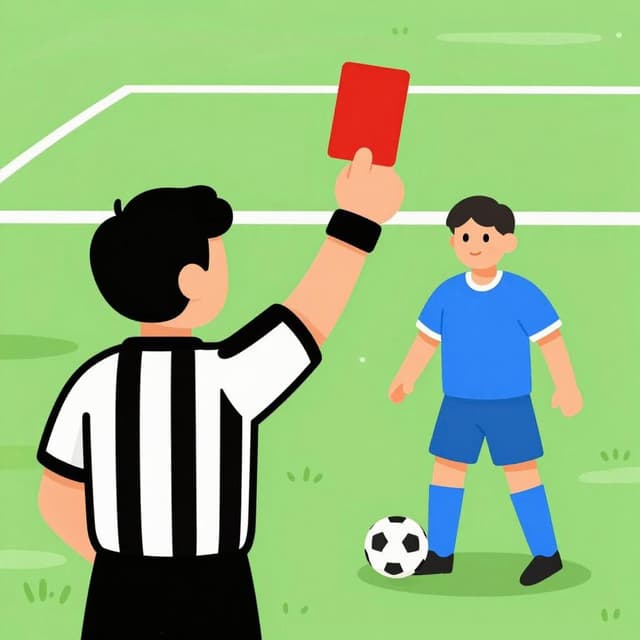
descalificar Affirmative Imperative Conjugation
descalificar — to disqualify
Use descalifica (tú) or descalifiquen (ustedes) for direct commands.
descalificar Affirmative Imperative Forms
When to Use the Affirmative Imperative
Use this when you are in a position of authority and need to order a disqualification.
Notes on descalificar in the Affirmative Imperative
The 'tú' form is regular (descalifica). The 'usted', 'nosotros', and 'ustedes' forms use the 'qu' spelling change from the subjunctive.
Example Sentences
¡Descalifica a ese jugador ahora!
Disqualify 그 player now!
tú
Descalifiquemos a los que no cumplan el peso.
Let's disqualify those who don't meet the weight.
nosotros
Common Mistakes
Mistake: descalifique (for tú)
Correct: descalifica
Why: The affirmative 'tú' command uses the present indicative 3rd person singular form, not the subjunctive.
Master Spanish verbs in context
Memorizing tables only gets you so far. Read 200+ illustrated and narrated Spanish stories to see verbs like 'descalificar' used naturally — in the tenses you're learning.
Related Tenses
Present
yo: descalifico
Descalificar is completely regular in the present indicative.
Preterite
yo: descalifiqué
Descalificar has a spelling change only in the 'yo' form (descalifiqué).
Imperfect
yo: descalificaba
Descalificar is regular in the imperfect: descalificaba, descalificabas...
Future
yo: descalificaré
The future of descalificar is regular: just add endings to the infinitive.
Conditional
yo: descalificaría
The conditional uses the full infinitive: descalificaría, descalificarías...
Present Subjunctive
yo: descalifique
Descalificar requires a 'c' to 'qu' spelling change in all forms to keep the hard 'k' sound.
Imperfect Subjunctive
yo: descalificara
Forms like descalificara are used for past doubts or hypothetical situations involving disqualification.
Negative Imperative
yo: no descalifiques
Negative commands always use the 'qu' spelling change (no descalifiques).