encubrir Conditional Conjugation
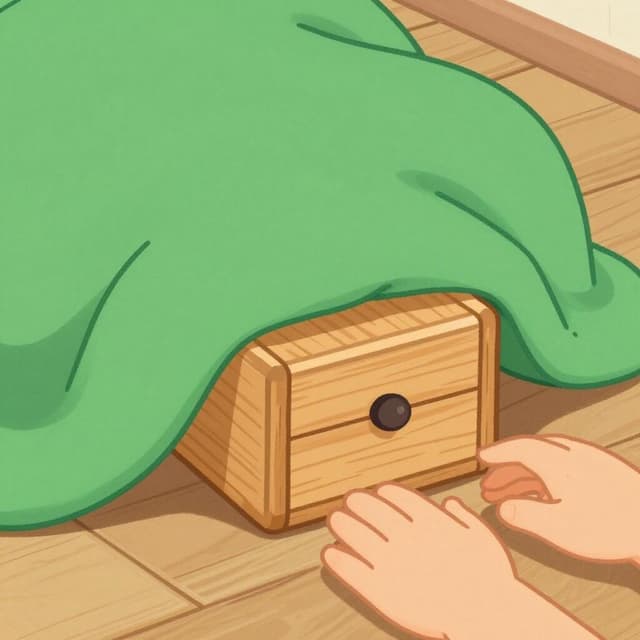
encubrir — to hide
The conditional of encubrir (encubriría, encubrirías, etc.) expresses 'would' actions, politeness, or future-in-the-past.
encubrir Conditional Forms
When to Use the Conditional
Use the conditional tense to talk about hypothetical situations (what *would* happen), to make polite requests, or to describe something that was going to happen in the past. For 'encubrir', you might say 'I would hide it if I were you' or 'He said he would hide the documents'.
Notes on encubrir in the Conditional
Encubrir is regular in the conditional tense. The stem is the infinitive 'encubrir-', and the endings are standard: -ía, -ías, -ía, -íamos, -íais, -ían.
Example Sentences
Yo encubriría la información si estuviera en tu lugar.
I would hide the information if I were in your place.
yo
¿Tú me ayudarías a encubrir esto?
Would you help me hide this?
tú
Él dijo que encubriría la verdad.
He said he would hide the truth.
él/ella/usted
Ellos encubrirían sus acciones si no tuvieran miedo.
They would hide their actions if they weren't afraid.
ellos/ellas/ustedes
Common Mistakes
Mistake: Using the imperfect subjunctive instead of conditional for 'would'.
Correct: For 'would hide', use 'encubriría', not 'encubriera'.
Why: The conditional expresses what *would* happen, often as a result of a condition, while the imperfect subjunctive is used in the 'if' clause itself or for past wishes/doubts.
Mistake: Confusing conditional endings with imperfect endings.
Correct: The conditional endings are -ía, -ías, etc., while the imperfect endings are -ía, -ías, etc. for -ar verbs, but -ía, -ías for -er/-ir verbs. Ensure correct vowel.
Why: The endings look similar, but the conditional endings are always on 'i', while the imperfect endings for -ir verbs also use 'i'.
Master Spanish verbs in context
Memorizing tables only gets you so far. Read 200+ illustrated and narrated Spanish stories to see verbs like 'encubrir' used naturally — in the tenses you're learning.
Related Tenses
Present
yo: encubro
The present tense of encubrir (encubro, encubres, encubre, etc.) describes actions happening now or habitual hiding.
Preterite
yo: encubrí
The preterite of encubrir is regular: encubrí, encubriste, encubrió, encubrimos, encubristeis, encubrieron.
Imperfect
yo: encubría
The imperfect of encubrir (encubría, encubrías, etc.) describes ongoing or habitual past hiding.
Future
yo: encubriré
The future tense of encubrir (encubriré, encubrirás, etc.) indicates actions that will happen or expresses probability.
Present Subjunctive
yo: encubra
The present subjunctive of encubrir (encubra, encubras, etc.) follows expressions of doubt, desire, emotion, and uncertainty.
Imperfect Subjunctive
yo: encubriera
The imperfect subjunctive of encubrir (encubriera, encubrieras, etc.) is used for past hypotheticals, wishes, and doubts.
Affirmative Imperative
yo: encubre
Encubrir's imperative forms include tú encubre, usted encubra, nosotros encubramos, ustedes encubran, and vosotros encubrid.
Negative Imperative
yo: no encubras
Negative commands for encubrir use the present subjunctive: no encubras, no encubra, no encubramos, no encubran, no encubráis.