fregar Preterite Conjugation
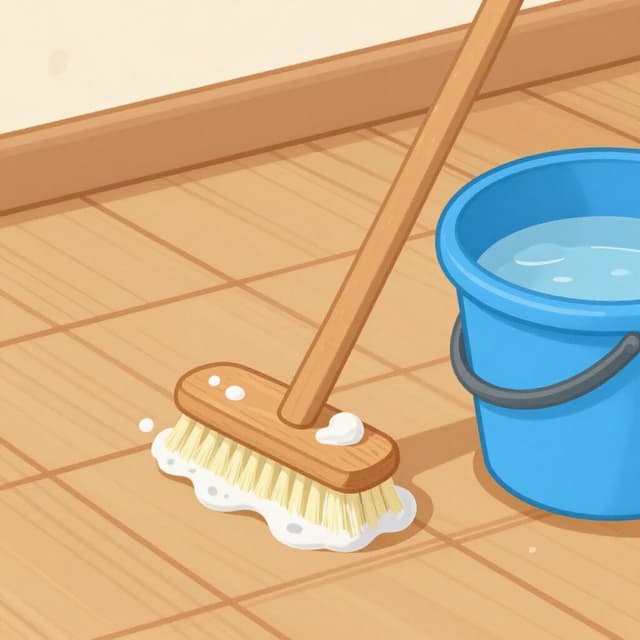
fregar — to scrub
Fregar has a spelling change (g to gu) in the 'yo' form: fregué.
fregar Preterite Forms
When to Use the Preterite
Use the preterite to talk about a specific time you finished scrubbing something, like 'I scrubbed the pans yesterday.'
Notes on fregar in the Preterite
The verb is mostly regular, but to keep the hard 'g' sound before an 'e', the 'yo' form changes from 'g' to 'gu' (fregué).
Example Sentences
Ayer fregué toda la casa yo solo.
Yesterday I scrubbed the whole house by myself.
yo
¿Fregaste la sartén con jabón?
Did you scrub the pan with soap?
tú
Ellos fregaron el suelo después de la fiesta.
They scrubbed the floor after the party.
ellos/ellas/ustedes
Common Mistakes
Mistake: Writing 'fregé' for the yo form.
Correct: The correct spelling is 'fregué'.
Why: Without the 'u', the 'g' would sound like an 'h' (fre-hé) because it's followed by an 'e'.
Master Spanish verbs in context
Memorizing tables only gets you so far. Read 200+ illustrated and narrated Spanish stories to see verbs like 'fregar' used naturally — in the tenses you're learning.
Related Tenses
Present
yo: friego
Fregar has an 'e' to 'ie' stem change in all forms except nosotros and vosotros.
Imperfect
yo: fregaba
Fregar is completely regular in the imperfect: fregaba, fregabas, fregaba...
Future
yo: fregaré
Fregar is regular in the future; just add the endings to the infinitive: fregaré, fregarás...
Conditional
yo: fregaría
Fregar is regular in the conditional: fregaría, fregarías, fregaría...
Present Subjunctive
yo: friegue
The present subjunctive of fregar features both a stem change (e to ie) and a spelling change (g to gu).
Imperfect Subjunctive
yo: fregara
Based on the preterite 'fregaron', this tense is fregara, fregaras, fregara...
Affirmative Imperative
yo: friega
Commands for fregar: friega (tú), fregad (vosotros), friegue (usted).
Negative Imperative
yo: no friegues
Negative commands use 'no' + present subjunctive: no friegues, no freguéis...