frotar Imperfect Subjunctive Conjugation
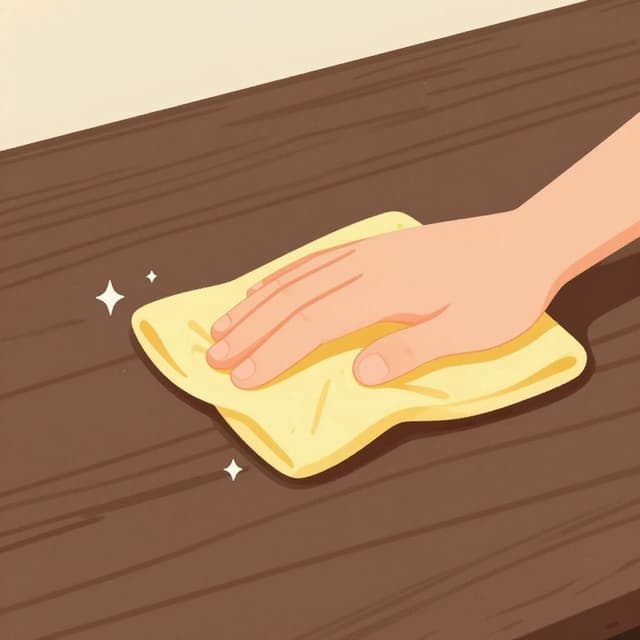
frotar — to rub
Use the imperfect subjunctive 'frotara'/'frotase' for past hypotheticals, wishes, or doubts with 'frotar'.
frotar Imperfect Subjunctive Forms
When to Use the Imperfect Subjunctive
The imperfect subjunctive is used for hypothetical situations in the past, things you wished for in the past, or doubts about past events. It often appears in 'if' clauses ('Si frotara...') or after expressions like 'ojalá' (hopefully).
Notes on frotar in the Imperfect Subjunctive
Frotar is regular in the imperfect subjunctive. You can use either the -ra form (frotara, frotaras, etc.) or the -se form (frotase, frotases, etc.). They are generally interchangeable.
Example Sentences
Si yo frotara más fuerte, quizás saldría la mancha.
If I rubbed harder, maybe the stain would come out.
yo
Me gustaría que tú frotaras el coche conmigo.
I would like you to rub/wash the car with me.
tú
Él actuaría como si no frotase nada.
He would act as if he weren't rubbing anything.
él/ella/usted
Ojalá frotáramos más a menudo para mantenerlo limpio.
I wish we would rub/clean more often to keep it clean.
nosotros
Ellos hablaban como si frotaran oro.
They spoke as if they were rubbing gold.
ellos/ellas/ustedes
Common Mistakes
Mistake: Using the preterite or imperfect indicative instead of the imperfect subjunctive.
Correct: Use 'frotara' or 'frotase' after 'si' or in hypothetical clauses.
Why: The subjunctive mood is required for unreal or hypothetical situations.
Mistake: Confusing the -ra and -se endings.
Correct: Both 'frotara' and 'frotase' are correct imperfect subjunctive forms.
Why: Spanish allows two sets of endings for the imperfect subjunctive, and they mean the same thing.
Master Spanish verbs in context
Memorizing tables only gets you so far. Read 200+ illustrated and narrated Spanish stories to see verbs like 'frotar' used naturally — in the tenses you're learning.
Related Tenses
Present
yo: froto
Use the present 'froto', 'frotas', 'frota', 'frotamos', 'frotáis', 'frotan' for current or habitual rubbing.
Preterite
yo: froté
Use the preterite 'froté', 'frotaste', 'frotó', 'frotamos', 'frotasteis', 'frotaron' for completed rubbing actions in the past.
Imperfect
yo: frotaba
Use the imperfect 'frotaba', 'frotabas', 'frotaba', 'frotábamos', 'frotabais', 'frotaban' for ongoing or habitual past rubbing.
Future
yo: frotaré
Use the future 'frotaré', 'frotarás', 'frotará', 'frotaremos', 'frotaréis', 'frotarán' for actions that will happen.
Conditional
yo: frotaría
Use the conditional 'frotaría', 'frotarías', 'frotaría', 'frotaríamos', 'frotaríais', 'frotarían' for hypotheticals ('would rub').
Present Subjunctive
yo: frote
Use 'frote', 'frotes', 'frote', 'frotemos', 'frotéis', 'froten' for wishes, doubts, and emotions with 'frotar'.
Affirmative Imperative
yo: frota
Use 'frota', 'frote', 'frotad', 'frotemos', 'froten' for direct commands with 'frotar'.
Negative Imperative
yo: no frotes
Use 'no frotes', 'no frote', 'no frotéis', 'no frotemos', 'no froten' for negative commands with 'frotar'.