muscular Preterite Conjugation
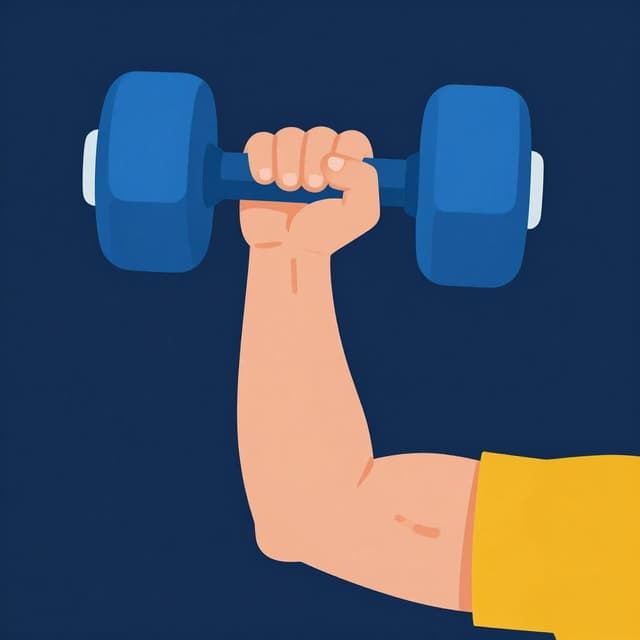
muscular — to build muscle
The preterite of muscular is regular: musculé, musculaste, musculó, musculamos, musculasteis, muscularon.
muscular Preterite Forms
When to Use the Preterite
Use the preterite for completed actions of building muscle in the past. For example, 'Musculé mis brazos la semana pasada' (I built my arms last week) clearly indicates a finished action.
Notes on muscular in the Preterite
Muscular is regular in the preterite tense. All endings follow the standard -ar pattern.
Example Sentences
Musculé mucho para la competición.
I built a lot of muscle for the competition.
yo
¿Musculaste suficiente este mes?
Did you build enough muscle this month?
tú
Él musculó sus piernas durante el invierno.
He built his legs during the winter.
él/ella/usted
Ellos muscularon su físico en el gimnasio.
They built their physique in the gym.
ellos/ellas/ustedes
Common Mistakes
Mistake: Using the imperfect 'musculaba' instead of preterite 'musculé'.
Correct: For a specific, completed instance of building muscle, use the preterite: 'Musculé'.
Why: The imperfect describes ongoing or habitual past actions, while the preterite focuses on single, completed events.
Mistake: Forgetting the accent on the yo form.
Correct: The yo form is 'musculé', with an accent on the 'é'.
Why: The accent on the final 'é' distinguishes the preterite yo form and indicates the stress.
Master Spanish verbs in context
Memorizing tables only gets you so far. Read 200+ illustrated and narrated Spanish stories to see verbs like 'muscular' used naturally — in the tenses you're learning.
Related Tenses
Present
yo: musculo
The present tense 'musculo' (yo) or 'musculas' (tú) describes habitual or current muscle-building actions.
Imperfect
yo: musculaba
The imperfect 'musculaba' describes ongoing or habitual past muscle-building.
Future
yo: muscularé
The future tense 'muscularé' (yo) or 'musculará' (él/ella/usted) indicates future muscle-building actions.
Conditional
yo: muscularía
The conditional 'muscularía' expresses hypothetical muscle-building ('would build muscle').
Present Subjunctive
yo: muscule
Use 'muscule' (él/ella/usted) or 'muscules' (tú) for wishes, doubts, or commands.
Imperfect Subjunctive
yo: musculara
The imperfect subjunctive 'musculara' or 'muscularas' is used for past hypotheticals or wishes.
Affirmative Imperative
yo: muscula
Use 'muscula' (tú) and 'muscule' (usted) to command someone to build muscle.
Negative Imperative
yo: no muscules
Use 'no muscules' (tú) and 'no muscle' (usted) for negative commands to build muscle.