pinchar Imperfect Subjunctive Conjugation
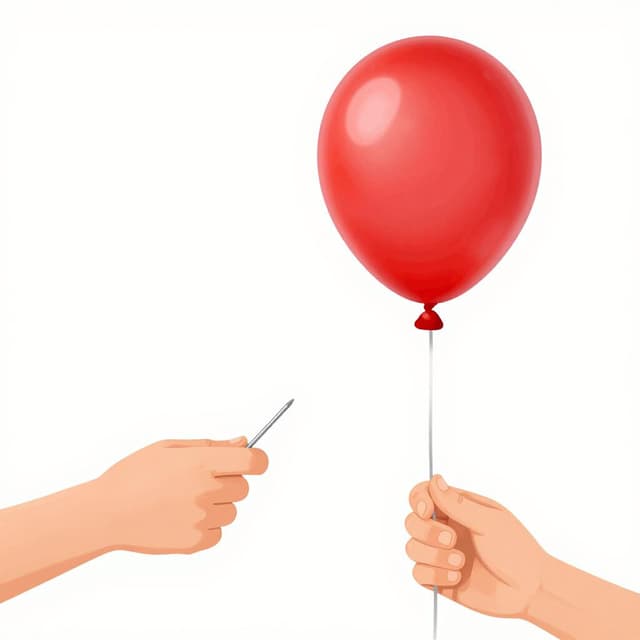
pinchar — to prick
Use 'pinchara' or 'pinchase' forms for past hypothetical situations, wishes, or doubts.
pinchar Imperfect Subjunctive Forms
When to Use the Imperfect Subjunctive
The imperfect subjunctive is for actions or states in the past that were hypothetical, uncertain, or desired. It often appears in 'if' clauses ('si...') or after expressions of doubt or emotion referring to the past.
Notes on pinchar in the Imperfect Subjunctive
Pinchar is regular in the imperfect subjunctive. Both the -ra and -se forms are correct, though -ra is more common in many regions.
Example Sentences
Si yo pinchara la llanta, tendríamos que usar la de repuesto.
If I pricked the tire, we would have to use the spare.
yo
Me gustaría que tú pincharas el globo.
I would like you to prick the balloon.
tú
Dudaba que él pinchara la vena correctamente.
I doubted that he would prick the vein correctly.
él/ella/usted
Ojalá ellos no pincharan tantos globos.
I wish they wouldn't prick so many balloons.
ellos/ellas/ustedes
Common Mistakes
Mistake: Using the preterite instead of the imperfect subjunctive, like 'Si pinché'.
Correct: For hypothetical past conditions, use the imperfect subjunctive: 'Si pinchara' or 'Si pinchase'.
Why: The preterite describes completed past actions, while the imperfect subjunctive describes hypothetical or uncertain past situations.
Mistake: Confusing the -ra and -se endings, especially with vosotros.
Correct: The vosotros forms are 'pincharais' (-ra) and 'pinchaseis' (-se).
Why: These are distinct but interchangeable endings for the imperfect subjunctive.
Master Spanish verbs in context
Memorizing tables only gets you so far. Read 200+ illustrated and narrated Spanish stories to see verbs like 'pinchar' used naturally — in the tenses you're learning.
Related Tenses
Present
yo: pincho
The present of pinchar is regular: pincho, pinchas, pincha, pinchamos, pincháis, pinchan.
Preterite
yo: pinché
The preterite of pinchar is regular: pinché, pinchaste, pinchó, pinchamos, pinchasteis, pincharon.
Imperfect
yo: pinchaba
The imperfect of pinchar is regular: pinchaba, pinchabas, pinchaba, pinchábamos, pinchabais, pinchaban.
Future
yo: pincharé
The future of pinchar is regular: pincharé, pincharás, pinchará, pincharemos, pincharéis, pincharán.
Conditional
yo: pincharía
The conditional of pinchar is regular: pincharía, pincharías, pincharía, pincharíamos, pincharíais, pincharían.
Present Subjunctive
yo: pinche
Use 'pinche' (yo/él/ella/Ud.), 'pinches' (tú), 'pinchemos' (nosotros), 'pinchéis' (vosotros), 'pinchen' (ellos/ellas/Uds.) for wishes, doubts, emotions.
Affirmative Imperative
yo: pincha
Use 'pincha' (tú), 'pinche' (usted), 'pinchemos' (nosotros), 'pinchad' (vosotros), 'pinchen' (ustedes) for direct commands.
Negative Imperative
yo: no pinches
Negative commands use 'no' plus the present subjunctive: 'no pinches' (tú), 'no pinche' (usted), etc.