provocar Imperfect Subjunctive Conjugation
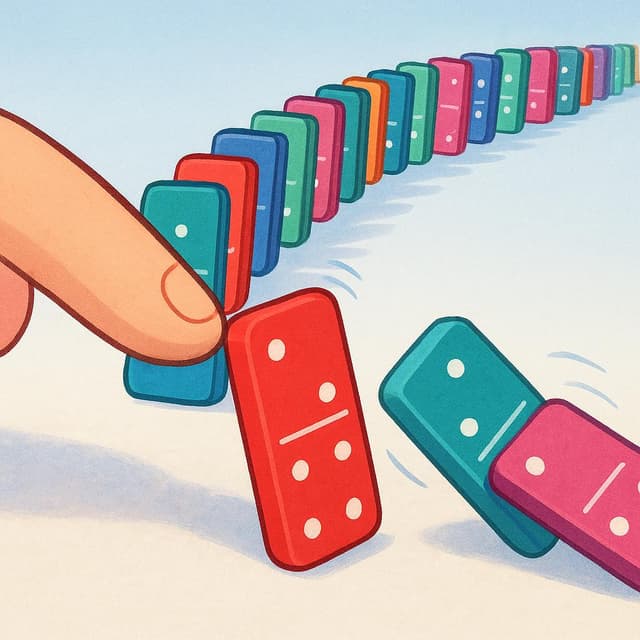
provocar — to cause
The imperfect subjunctive of provocar is formed from the third-person plural preterite: provocara, provocaras, provocara, provocáramos, provocarais, provocaran.
provocar Imperfect Subjunctive Forms
When to Use the Imperfect Subjunctive
Use this for past-tense triggers of the subjunctive or in hypothetical 'if' clauses where you imagine the consequences of causing something.
Notes on provocar in the Imperfect Subjunctive
This tense is regular based on its preterite stem (provocar-). There is no 'qu' change here because the endings start with 'a', keeping the 'c' sound hard naturally.
Example Sentences
Si yo provocara un accidente, me sentiría fatal.
If I caused an accident, I would feel terrible.
yo
El jefe no quería que provocáramos más retrasos.
The boss didn't want us to cause more delays.
nosotros
Me sorprendió que su actitud provocara tanto enfado.
It surprised me that his attitude caused so much anger.
él/ella/usted
Common Mistakes
Mistake: Forgetting the accent on the 'nosotros' form.
Correct: provocáramos
Why: All 'nosotros' forms in the imperfect subjunctive require an accent on the vowel immediately before the '-ramos' ending.
Master Spanish verbs in context
Memorizing tables only gets you so far. Read 200+ illustrated and narrated Spanish stories to see verbs like 'provocar' used naturally — in the tenses you're learning.
Related Tenses
Present
yo: provoco
The present tense of provocar is entirely regular: provoco, provocas, provoca, provocamos, provocáis, provocan.
Preterite
yo: provoqué
The preterite of provocar is regular except for the 'yo' form, which changes 'c' to 'qu': provoqué.
Imperfect
yo: provocaba
The imperfect of provocar is regular: provocaba, provocabas, provocaba, provocábamos, provocabais, provocaban.
Future
yo: provocaré
The future tense of provocar is regular: provocaré, provocarás, provocará, provocaremos, provocaréis, provocarán.
Conditional
yo: provocaría
The conditional of provocar is regular: provocaría, provocarías, provocaría, provocaríamos, provocaríais, provocarían.
Present Subjunctive
yo: provoque
The present subjunctive of provocar requires a spelling change from 'c' to 'qu' in all forms: provoque, provoques, provoque, provoquemos, provoquéis, provoquen.
Affirmative Imperative
yo: provoca
The imperative of provocar uses the spelling change 'qu' for formal commands: provoca (tú), provoque (usted), provoquen (ustedes).
Negative Imperative
yo: no provoques
The negative imperative of provocar always uses the 'qu' spelling change: no provoques, no provoque, no provoquemos, no provoquen.