quedar Imperfect Conjugation
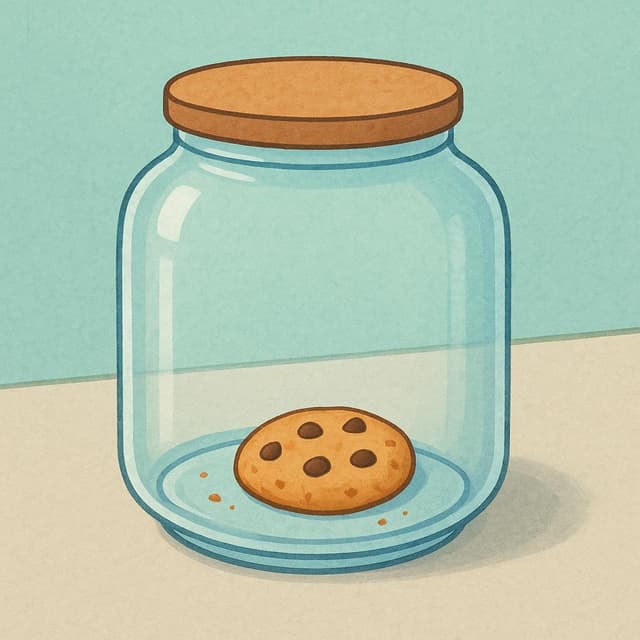
quedar — to remain
The imperfect of quedar is regular: quedaba, quedabas, quedaba, quedábamos, quedabais, quedaban.
quedar Imperfect Forms
When to Use the Imperfect
Use the imperfect when describing a state of 'remaining' or 'staying' in the past without a specific end, or to describe where things used to be located.
Notes on quedar in the Imperfect
Quedar is fully regular in the imperfect. Remember that the 'yo' and 'él/ella' forms are identical.
Example Sentences
Solo quedaba un trozo de tarta en la nevera.
Only one piece of cake remained in the fridge.
él/ella/usted
Siempre quedábamos en el parque después de clase.
We always used to meet in the park after class.
nosotros
Me quedaba en casa cuando llovía.
I used to stay at home when it rained.
yo
Common Mistakes
Mistake: Forgetting the accent on the nosotros form: quedabamos.
Correct: quedábamos
Why: All -ar verbs in the imperfect require a written accent on the 'a' in the nosotros form.
Master Spanish verbs in context
Memorizing tables only gets you so far. Read 200+ illustrated and narrated Spanish stories to see verbs like 'quedar' used naturally — in the tenses you're learning.
Related Tenses
Present
yo: quedo
The present of quedar is regular: quedo, quedas, queda, quedamos, quedáis, quedan.
Preterite
yo: quedé
The preterite of quedar is regular: quedé, quedaste, quedó, quedamos, quedasteis, quedaron.
Future
yo: quedaré
The future of quedar is regular: quedaré, quedarás, quedará, quedaremos, quedaréis, quedarán.
Conditional
yo: quedaría
The conditional of quedar is regular: quedaría, quedarías, quedaría, quedaríamos, quedaríais, quedarían.
Present Subjunctive
yo: quede
The present subjunctive of quedar is regular: quede, quedes, quede, quedemos, quedéis, queden.
Imperfect Subjunctive
yo: quedara
The imperfect subjunctive of quedar is regular: quedara, quedaras, quedara, quedáramos, quedarais, quedaran.
Affirmative Imperative
yo: queda
The imperative of quedar is: queda (tú), quede (usted), quedemos (nosotros), quedad (vosotros), queden (ustedes).
Negative Imperative
yo: no quedes
The negative imperative of quedar uses the present subjunctive: no quedes, no quede, no quedemos, no quedéis, no queden.