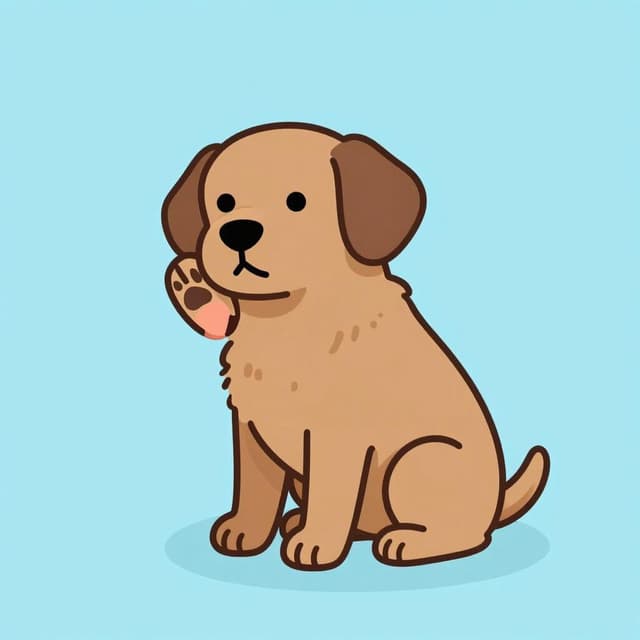
rascar Preterite Conjugation
rascar — to scratch
The preterite of rascar is regular except for the 'yo' form: rasqué, rascaste, rascó, rascamos, rascasteis, rascaron.
rascar Preterite Forms
When to Use the Preterite
Use the preterite for a specific instance of scratching that happened and finished, like scratching a lottery ticket or a single itch.
Notes on rascar in the Preterite
Only the 'yo' form is irregular (rasqué) to maintain the hard 'k' sound. All other forms follow regular -ar patterns.
Example Sentences
Me rasqué la cabeza porque estaba confundido.
I scratched my head because I was confused.
yo
¿Rascaste el boleto de lotería?
Did you scratch the lottery ticket?
tú
El perro se rascó la oreja todo el día.
The dog scratched his ear all day.
él/ella/usted
Common Mistakes
Mistake: Writing 'rascé' for the yo form.
Correct: rasqué
Why: A 'c' before 'e' changes its sound. The 'qu' is necessary to match the 'k' sound in 'rascar'.
Master Spanish verbs in context
Memorizing tables only gets you so far. Read 200+ illustrated and narrated Spanish stories to see verbs like 'rascar' used naturally — in the tenses you're learning.
Related Tenses
Present
yo: rasco
The present tense of rascar is completely regular: rasco, rascas, rasca, rascamos, rascáis, rascan.
Imperfect
yo: rascaba
The imperfect of rascar is regular: rascaba, rascabas, rascaba, rascábamos, rascabais, rascaban.
Future
yo: rascaré
The future tense of rascar is regular: rascaré, rascarás, rascará, rascaremos, rascaréis, rascarán.
Conditional
yo: rascaría
The conditional of rascar is regular: rascaría, rascarías, rascaría, rascaríamos, rascaríais, rascarían.
Present Subjunctive
yo: rasque
The present subjunctive of rascar features a 'c' to 'qu' spelling change: rasque, rasques, rasque, rasquemos, rasquéis, rasquen.
Imperfect Subjunctive
yo: rascara
The imperfect subjunctive is regular based on the third-person plural preterite: rascara, rascaras, rascara, rascáramos, rascarais, rascaran.
Affirmative Imperative
yo: rasca
The affirmative imperative uses 'rasca' (tú) and 'rasque' (usted) with a spelling change in formal forms.
Negative Imperative
yo: no rasques
The negative imperative always uses the present subjunctive: no rasques, no rasque, no rasquemos, no rasquéis, no rasquen.