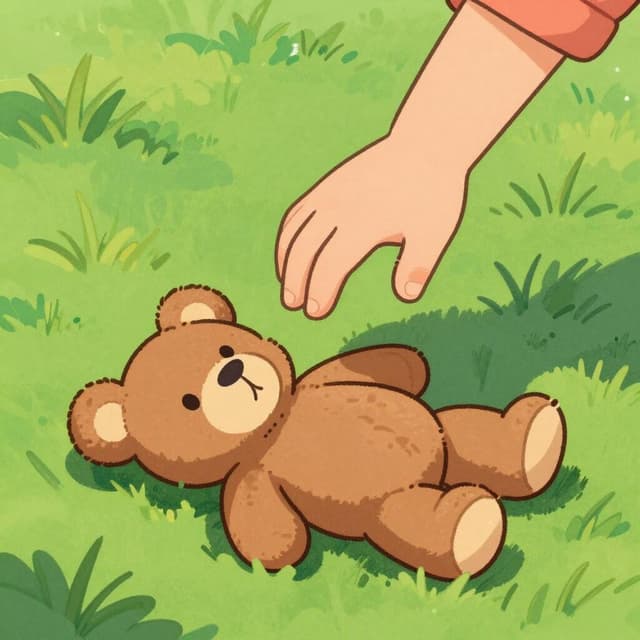
recuperar Preterite Conjugation
recuperar — to recover
The preterite of recuperar (recuperé, recuperaste, etc.) marks completed actions in the past.
recuperar Preterite Forms
When to Use the Preterite
Use the preterite to talk about actions that started and finished at a specific point in the past. For example, 'I recovered my keys yesterday' or 'They recovered the stolen painting last week'.
Notes on recuperar in the Preterite
'Recuperar' is regular in the preterite tense. It follows the standard pattern for -ar verbs, with the stem 'recuper-' and the preterite endings (-é, -aste, -ó, -amos, -asteis, -aron).
Example Sentences
Ayer recuperé las llaves que había perdido.
Yesterday I recovered the keys I had lost.
yo
¿Recuperaste el dinero que te debían?
Did you recover the money they owed you?
tú
El equipo recuperó la ventaja en la segunda mitad.
The team recovered the lead in the second half.
él/ella/usted
Ellos recuperaron el control de la situación después de la crisis.
They recovered control of the situation after the crisis.
ellos/ellas/ustedes
Common Mistakes
Mistake: Using the imperfect ('recuperaba') for a completed past action.
Correct: For a completed action with a clear end, use the preterite: 'Recuperé el libro'.
Why: The preterite signifies a finished event, whereas the imperfect describes ongoing or habitual past actions.
Mistake: Forgetting the accent on the 'yo' form: 'recupere' instead of 'recuperé'.
Correct: The 'yo' form of the preterite requires an accent on the final 'e': 'recuperé'.
Why: The accent distinguishes the preterite 'yo' form from the present subjunctive and indicates the stressed syllable.
Master Spanish verbs in context
Memorizing tables only gets you so far. Read 200+ illustrated and narrated Spanish stories to see verbs like 'recuperar' used naturally — in the tenses you're learning.
Related Tenses
Present
yo: recupero
The present tense of recuperar (recupero, recuperas, etc.) describes current actions, habits, and general truths.
Imperfect
yo: recuperaba
The imperfect tense of recuperar (recuperaba, recuperabas, etc.) describes ongoing or habitual past actions.
Future
yo: recuperaré
The future tense of recuperar (recuperaré, recuperarás, etc.) indicates actions that will happen.
Conditional
yo: recuperaría
The conditional of recuperar (recuperaría, recuperarías, etc.) expresses hypothetical actions ('would recover').
Present Subjunctive
yo: recupere
The present subjunctive (recupere, recuperes, etc.) follows expressions of doubt, desire, emotion, and uncertainty.
Imperfect Subjunctive
yo: recuperara
The imperfect subjunctive (recuperara/recuperase) is used for past hypotheticals, wishes, or polite requests.
Affirmative Imperative
yo: recupera
The imperative of recuperar is irregular for tú (recupera) and vosotros (recuperad), but regular for others.
Negative Imperative
yo: no recuperes
Negative commands with 'no' use the present subjunctive: no recuperes, no recupere, no recuperemos, no recuperéis, no recuperen.