sembrar Imperfect Conjugation
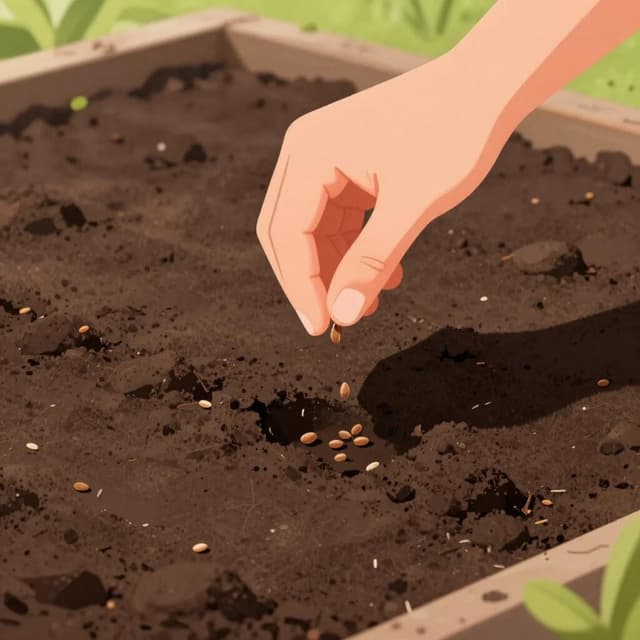
sembrar — to sow
Sembrar is regular in the imperfect: sembraba, sembrabas, sembraba.
sembrar Imperfect Forms
When to Use the Imperfect
Use the imperfect to describe habitual planting in the past or to set the scene of a farm from your childhood.
Notes on sembrar in the Imperfect
This tense is regular. It uses the standard -aba endings for -ar verbs.
Example Sentences
Mi abuelo sembraba patatas todos los años.
My grandfather used to sow potatoes every year.
él/ella/usted
Mientras nosotros sembrábamos, empezó a llover.
While we were sowing, it started to rain.
nosotros
Common Mistakes
Mistake: Forgetting the accent on the nosotros form: sembrabamos.
Correct: Sembrábamos
Why: All -ar imperfect 'nosotros' forms require an accent on the antepenultimate syllable.
Master Spanish verbs in context
Memorizing tables only gets you so far. Read 200+ illustrated and narrated Spanish stories to see verbs like 'sembrar' used naturally — in the tenses you're learning.
Related Tenses
Present
yo: siembro
Sembrar has an e-to-ie stem change in all forms except nosotros and vosotros.
Preterite
yo: sembré
Sembrar is completely regular in the preterite: sembré, sembraste, sembró.
Future
yo: sembraré
Sembrar is regular in the future: sembraré, sembrarás, sembrará.
Conditional
yo: sembraría
Sembrar is regular in the conditional: sembraría, sembrarías, sembraría.
Present Subjunctive
yo: siembre
The present subjunctive follows the stem change: siembre, siembres, siembre, sembremos.
Imperfect Subjunctive
yo: sembrara
The imperfect subjunctive is regular: sembrara, sembraras, sembrara.
Affirmative Imperative
yo: siembra
Use 'siembra' (tú) or 'siembren' (ustedes) to give direct orders to plant.
Negative Imperative
yo: no siembres
The negative imperative uses the present subjunctive: no siembres, no siembre.